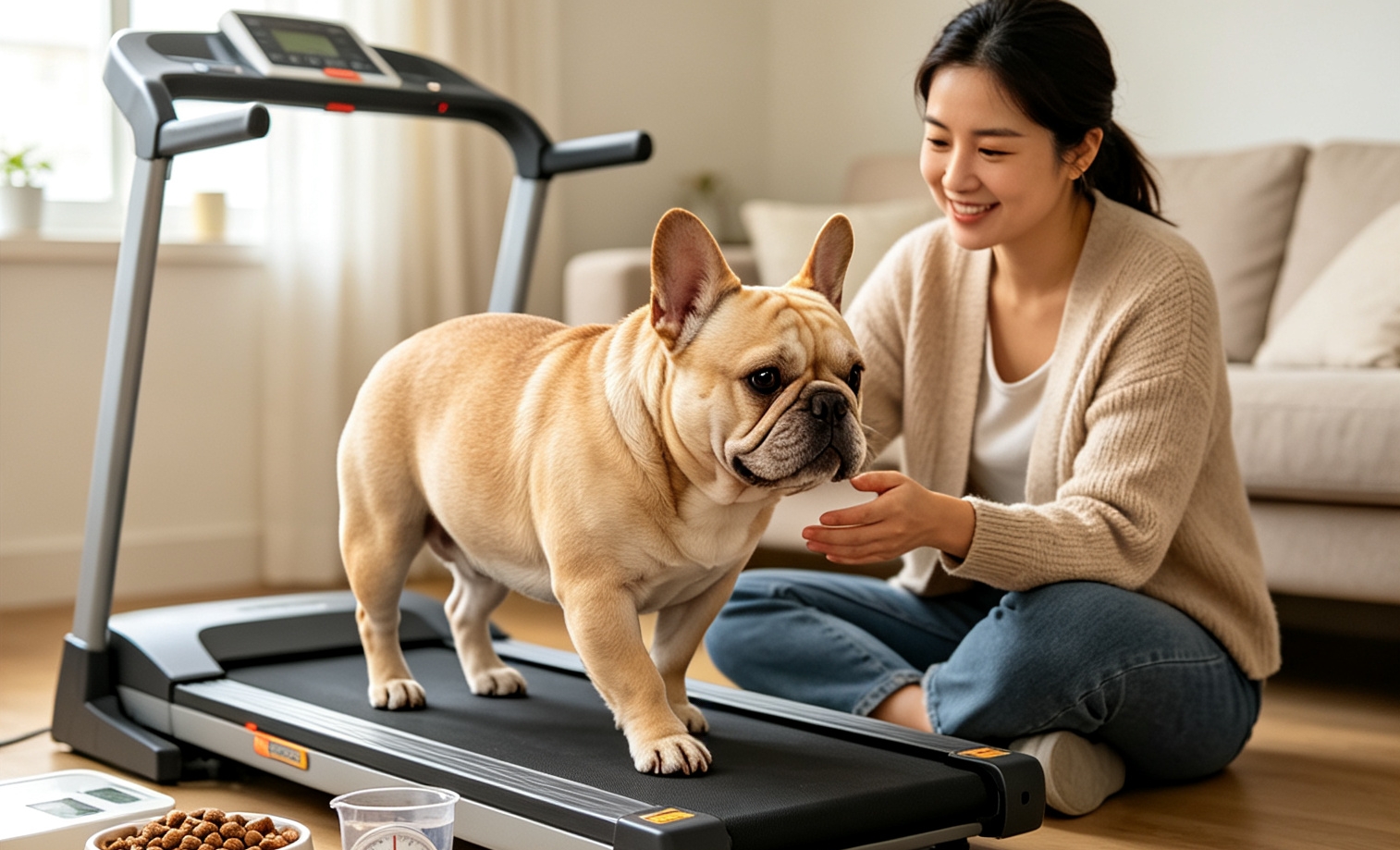
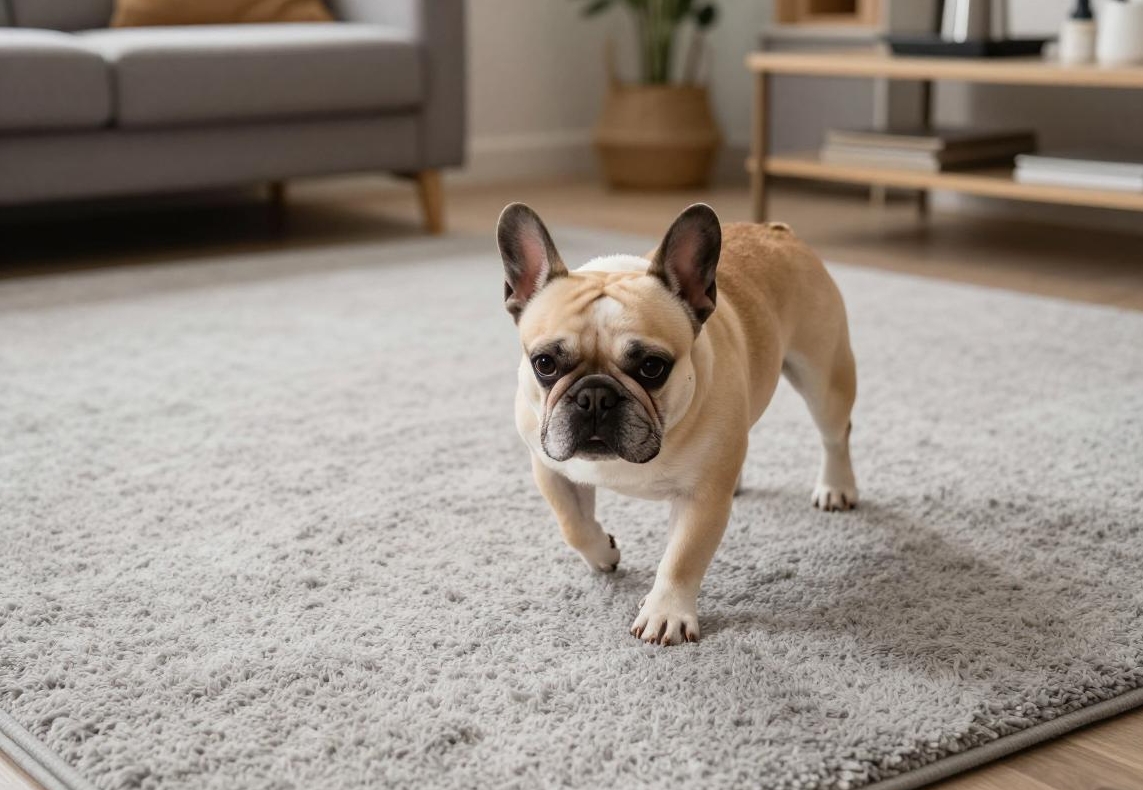
Congratulations on your French Bulldog mom safely delivering her adorable newborn puppies! This joy is incomparable. However, as a vet with ten years of experience treating French Bulldogs, I must be upfront: the real challenges begin right after the excitement subsides. For French Bulldogs—brachycephalic flat-faced breeds with unique body proportions—the meticulousness of postpartum care directly determines the mother’s long-term health and the survival rate of the entire litter. I’ve witnessed countless cases where improper after-birth care led to mastitis, severe calcium deficiency (eclampsia), or stunted growth in puppies. Today, as both an experienced professional and a fellow pet lover, I’ll break down how to provide gentle, scientific care for your brave French Bulldog mother.
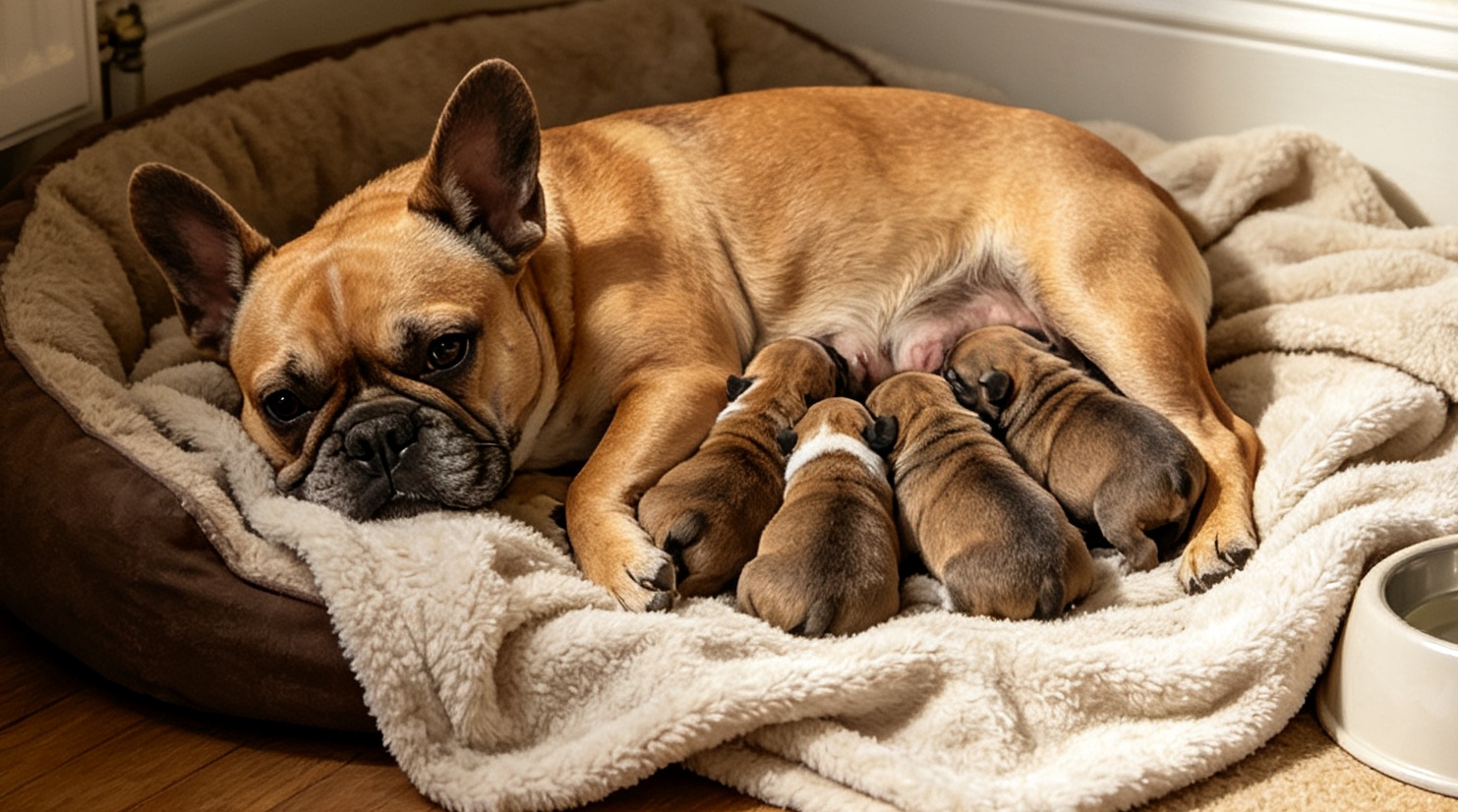
Why Postpartum Care Is Extra Critical for French Bulldog Mothers?
First, we need to understand the core reasons French Bulldog moms are extremely vulnerable after whelping—this goes far beyond simple postnatal recovery.
Unique Physiological Traits: As brachycephalic breeds, French Bulldogs face higher risks of difficult labor compared to other dogs. Even with natural delivery, their reproductive systems endure heavy strain and tissue damage that demand extra support for healing. They have abundant skin folds; poor cleaning around mammary glands allows bacteria to multiply rapidly and trigger breast inflammation.
Extreme Energy Depletion: Lactation is an intensely energy-consuming process. Suckling from a litter of 3–5 French Bulldog puppies quickly depletes the mother’s stored nutrients, especially calcium. A sharp drop in blood calcium levels directly causes eclampsia (commonly known as milk fever), a life-threatening emergency condition.
Mental Stress & Maternal Instinct: First-time mother French Bulldogs often suffer severe anxiety and overprotective tendencies, refusing to leave the whelping box to eat or drink. This stress disrupts hormone balance and slows recovery. I once treated a French Bulldog mom who ate and drank almost nothing for two straight days due to extreme nervousness, resulting in a drastic drop in milk supply and starving, whimpering puppies.
With these pain points clear, we can deliver targeted care. Below are five field-tested, step-by-step care solutions refined over years of clinical practice.
5 Core Care Solutions to Protect French Bulldog Moms Through Lactation
Solution 1: Build a Quiet, Sanitary, Warm Whelping Recovery Zone
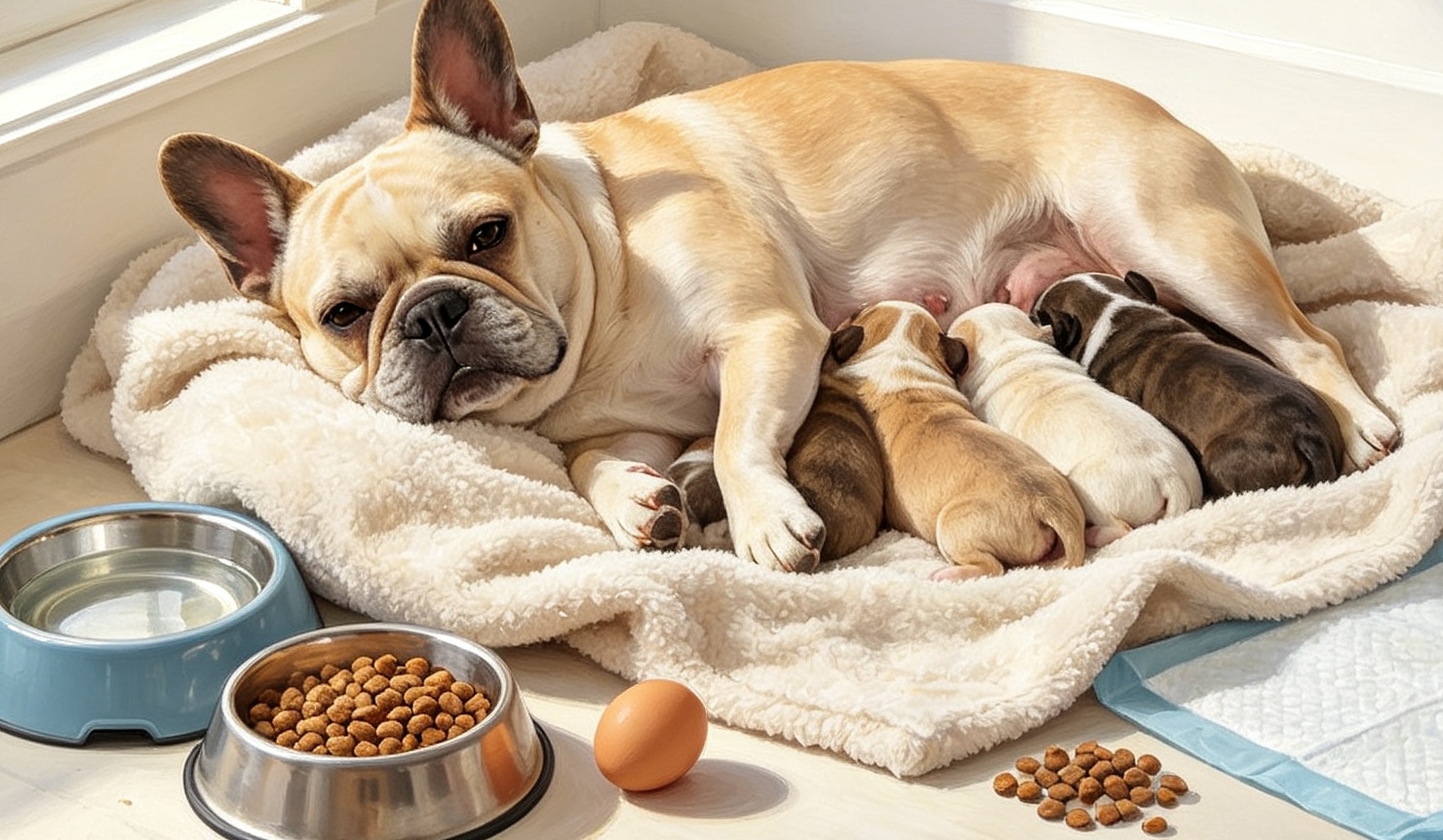
A proper environment is the first line of defense for recovery. Place the whelping box in a sheltered, quiet corner away from heavy foot traffic and loud noise. Bedding is critical: I recommend thick, absorbent pet pee pads covered with clean old towels or fleece blankets. Replace linens 1–2 times daily immediately if soiled with birthing fluid or waste.
Pro Vet Tip: Early in my career, I advised an owner to line the box with old clothing, and a puppy’s paw became tangled in loose threads, cutting off blood circulation to its toes. Since then, I strongly recommend smooth fabric with no stray loose threads. The whelping box walls should not be too high to let the mother enter and exit freely, yet tall enough to stop puppies from crawling out. Install a low-watt heat lamp inside (maintain safe distance to avoid burns and fire hazards) to keep the local temperature at 28–30°C, especially in the first week when newborn puppies cannot regulate their body temperature independently.
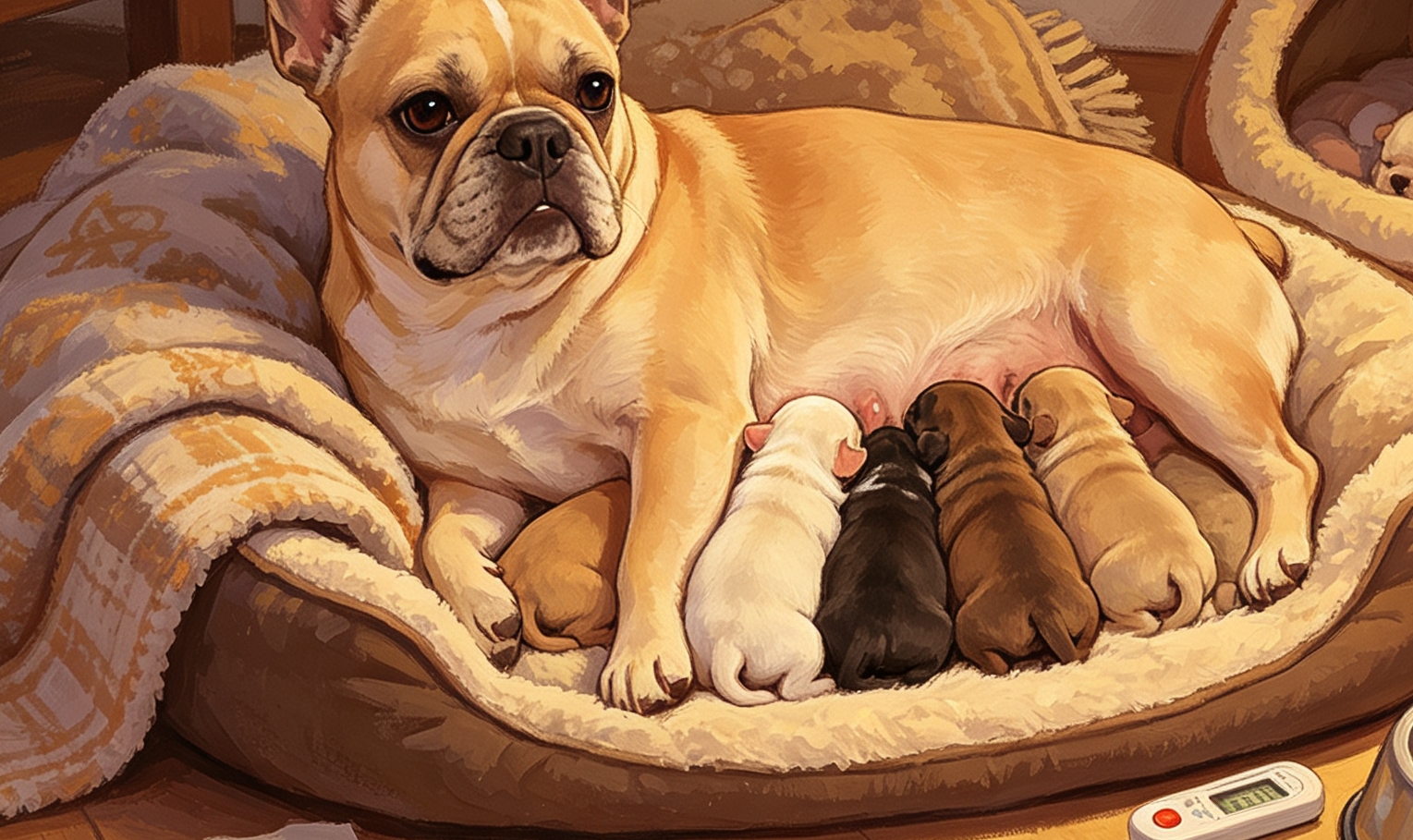
Solution 2: Targeted Nutrition – Balanced Supplementation Trumps Overfeeding
Postpartum feeding is not just adding extra meals. The core principles are: high energy, highly digestible, small frequent meals, balanced calcium and phosphorus ratio.
1. Early Postpartum Stage (Days 1–3): Serve liquid or semi-liquid meals such as porridge mixed with premium goat milk replacer for pets, or oil-free boneless chicken congee. The mother’s digestive function remains weak and appetite suppressed at this stage; soft foods replenish fluids and basic energy efficiently. For constipation after whelping, mix a small amount of mashed pumpkin or probiotics into meals for fast relief.
2. Peak Lactation Period (Weeks 1–3 Post-Whelping): Nutritional demand peaks here. Switch her kibble to high-protein, high-fat puppy food or dedicated lactation formula with higher calorie density. Offer free-feeding access with food available at all times, plus unlimited fresh clean drinking water.
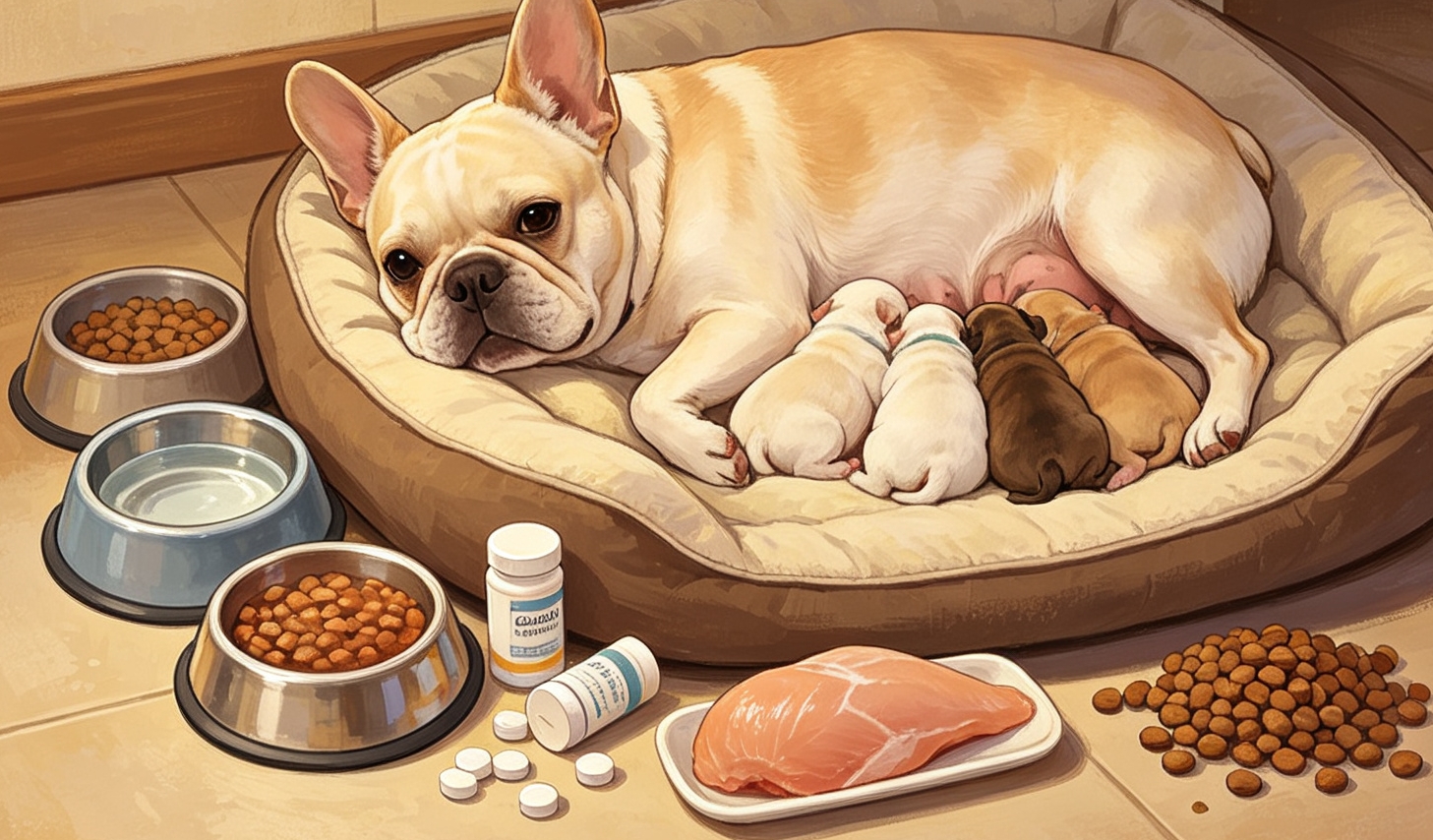
3. Critical Calcium Supplementation: This is the top priority of French Bulldog postpartum care! Never administer high-dose oral calcium tablets randomly during lactation! This disrupts the body’s natural calcium regulation cycle and may actually trigger eclampsia. My standard protocol: add liquid calcium or high-absorption calcium citrate to all meals starting day one, following the maintenance dosage listed on the supplement packaging. Pair it with sufficient vitamin D and phosphorus (premium commercial kibble usually contains balanced ratios). The safest, most effective calcium regimen combines natural food sources with science-backed supplements. If you spot early calcium deficiency signs including muscle tremors, stiff gait or restlessness, rush to the vet immediately for intravenous calcium treatment—this cannot be resolved with home care alone.
Solution 3: Daily Health Checkups & Systematic Record-Keeping
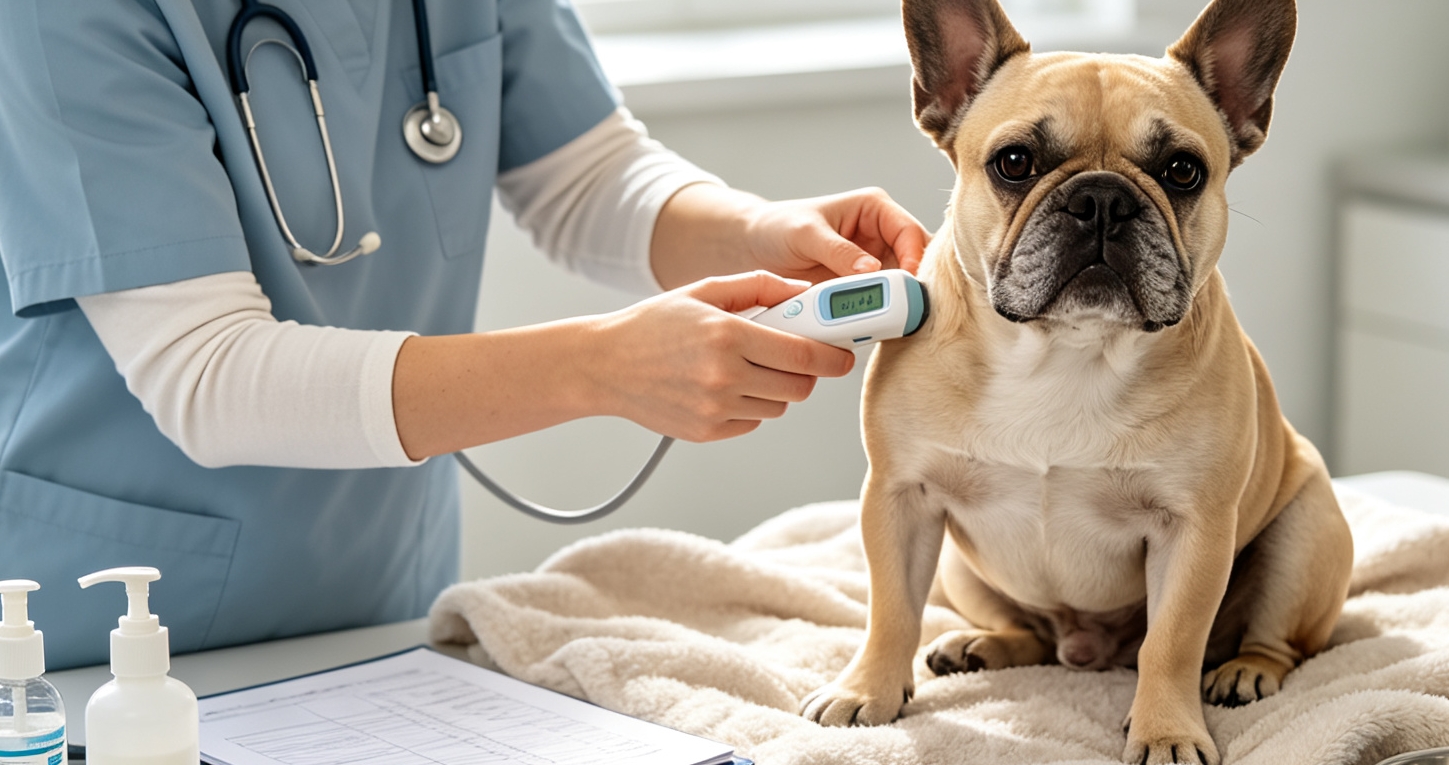
Spend ten minutes every day conducting a full physical exam on the mother dog.
- Body Temperature: A slight temperature rise around 39°C is normal post-whelping. Persistent readings above 39.5°C signal potential uterine infection or mastitis.
- Mammary Glands: Gently palpate all breast tissue around each nipple daily. Healthy glands feel soft and full. Hard, warm, tender, red lumps are early mastitis warning signs. I once helped an owner catch mastitis at the onset; warm compresses, gentle massage and encouraging puppies to nurse from the affected gland (if tolerated) resolved inflammation without antibiotics.
- Lochia Discharge: Postpartum vaginal discharge (lochia) shifts from dark red to pale pink, then clears up or turns transparent by approximately three weeks after delivery. Sudden heavy discharge, pus-like fluid or foul odor indicates uterine infection requiring immediate veterinary care.
- Mood & Appetite: Track daily food intake, water consumption and energy levels. Persistent lethargy is a critical red flag.
Solution 4: Mammary Gland Care & Assisted Nursing
If your French Bulldog mom has fewer nipples than puppies, rotate pups between nipples to ensure every gland receives equal suckling stimulation, preventing milk stasis and subsequent inflammation in unused mammary tissue.
Real Clinical Case: A first-time French Bulldog mother produced abundant milk, yet her puppies repeatedly aspirated milk with fluid spurting from their nostrils. Examination revealed excessively fast milk flow from her upper breasts when she lay on her side. My fix: guide the mother to nurse in a slight squat standing posture or fully prone. Cup the upper mammary glands gently with my hands to slow milk flow. Additionally, place weaker, milk-aspiration-prone puppies on lower nipples with gentler milk output. This tiny adjustment eliminated the choking risk entirely.
If the mother’s milk supply is insufficient, supplement manually right away. Use a pet nursing bottle or needleless syringe filled with goat milk replacer for dogs, feed every 2–3 hours including overnight. Always lay puppies prone with heads held level, administer milk slowly to avoid fluid inhalation into the lungs.
Solution 5: Support the Mother’s Mental Wellbeing & Personal Hygiene
Do not neglect the mother’s needs solely to care for the puppies. When she leaves the whelping box to eat and relieve herself each day, offer gentle petting and soft verbal praise to soothe her. If she appears anxious, line the box with an old clothing item carrying your familiar scent.
Mother dogs carry strong body odor post-whelping, but full baths are strictly off-limits immediately after delivery! Wring out warm damp towels and wipe her body gently, focusing on the vulva and mammary areas to keep skin dry. Wait 2–3 weeks until lochia discharge nearly stops and her energy levels are fully restored, then give a quick warm bath and thorough blow-dry indoors.
Mistake Avoidance Guide: Never Commit These Common Postpartum Errors
1. Unbalanced heavy supplementation: Feeding greasy pork trotter soup or fish broth clogs mammary ducts and triggers diarrhea. Nutrition must be balanced and formulated specifically for lactating dogs.
2. Overlooking hidden dehydration: Lactation drastically increases water demand. Place multiple water bowls around the area and refresh water frequently.
3. Excessive disturbance: Frequent visitors handling puppies trigger extreme maternal stress, leading to pup-moving behavior or even aggressive biting.
4. Misjudging calcium deficiency symptoms: Mistaking early eclampsia tremors for coldness or exhaustion delays life-saving treatment.
5. Rough squeezing swollen breasts: If hard breast lumps appear, apply warm compresses and let puppies unclog ducts through suckling. Violent squeezing damages delicate mammary tissue permanently.
Summary
Caring for a lactating French Bulldog mother is a long-term commitment requiring love, patience and scientific knowledge. The core principle is prevention over treatment. The five pillars of care—comfortable recovery space, targeted balanced nutrition, daily health monitoring, regular mammary care and mental stress relief—greatly support your French Bulldog mom through this unique life stage. She will successfully nurse her litter while laying a solid foundation for her own lifelong health. Watching a healthy, playful litter of French Bulldog puppies thrive beside their mother makes every bit of effort worthwhile.
Important Reminder
The guidance shared in this article draws from years of clinical practice to serve as a scientific care reference for pet owners. Every dog has unique individual physical conditions. Stop all at-home care immediately and contact your vet or trusted animal hospital without delay if the mother shows any of the following signs: persistent temperature over 39.5°C, worsening red, swollen, painful breasts, abnormal foul-smelling lochia, full-body muscle tremors, convulsions, collapse, severe weakness and refusal to eat; or if puppies display constant whimpering, stagnant weight gain, sunken bellies and drastically reduced vitality. Professional veterinary intervention is the only lifeline during medical emergencies. Wishing your French Bulldog mom and all her puppies full health and safety!