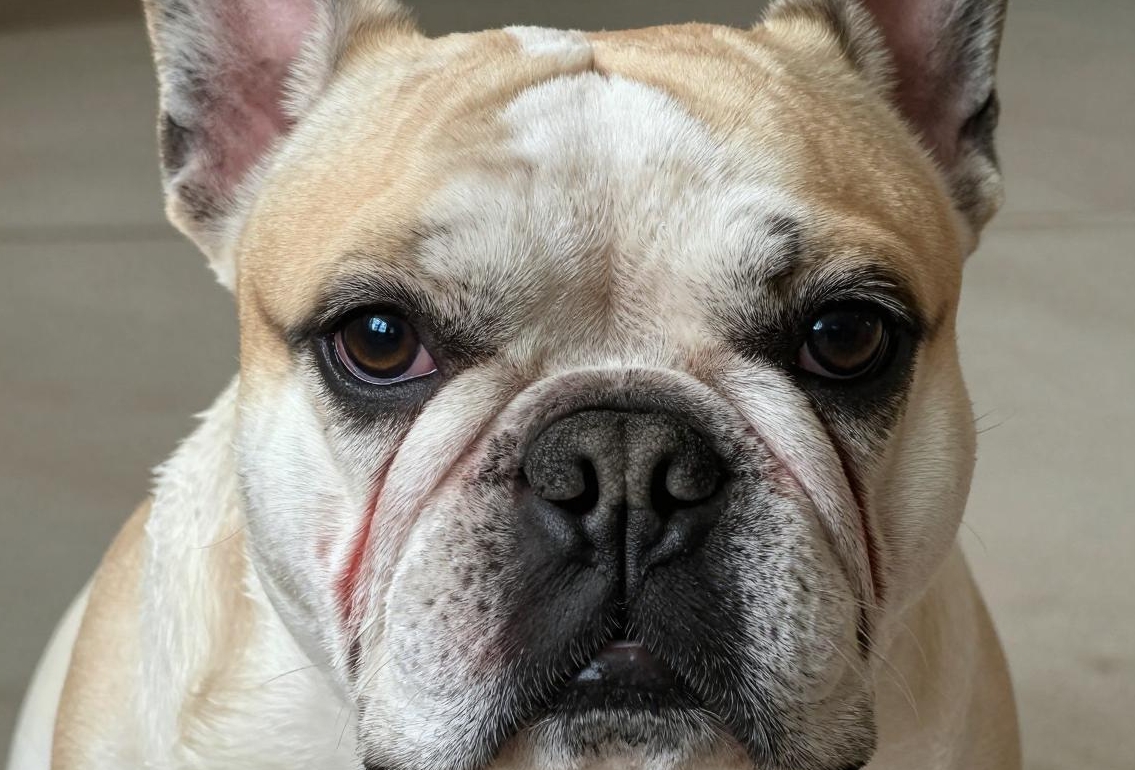
Hello all French bulldog owners. Over more than ten years caring for these lovely, stubborn little companions, I have treated countless skin conditions. One extremely common yet easily‑ignored ailment is interdigital dermatitis. Many owners rush to the clinic only after their dog licks paws non‑stop, with swollen, ulcerated or oozing foot pads. Seeing them limping in obvious pain always makes me concerned. Today we talk about the hidden dangers behind this “minor issue”, especially how early detailed paw‑crease cleaning can stop interdigital dermatitis before it develops.
Why Are French Bulldogs Prone To Interdigital Dermatitis?
To solve the problem, understand its root causes. French bulldogs rank high‑risk for interdigital dermatitis, resulting from a combination of their physical anatomy and living habits.
Inherent anatomical weaknesses: Though short‑haired, French bulldogs have paw pads full of folds and deep toe gaps. These soft‑tissue crevices become perfect breeding grounds for bacteria, fungi (especially Malassezia) and yeast in damp conditions. Their tightly packed toes restrict air circulation; trapped moisture cannot evaporate naturally.
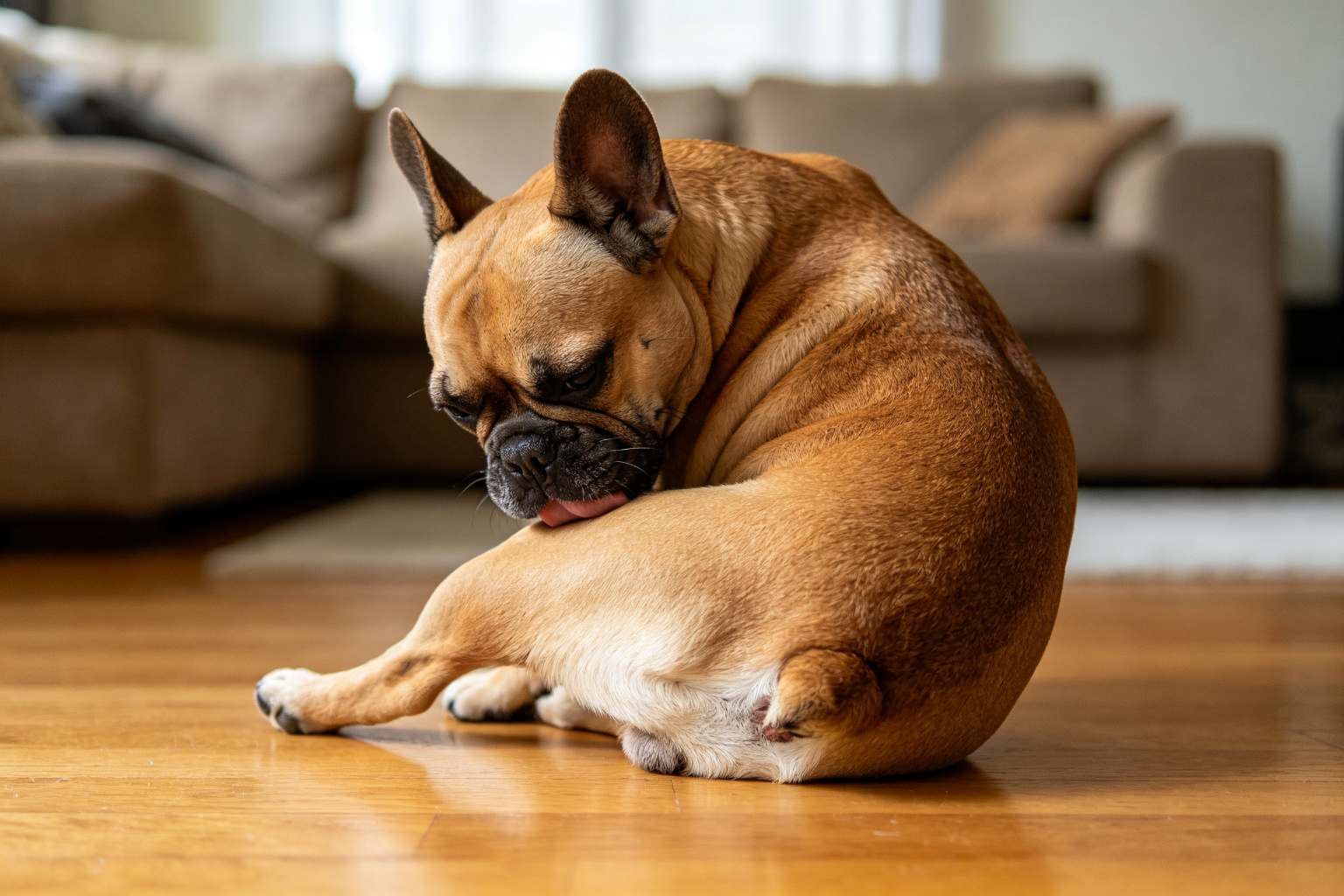
Environmental risk factors: Many French bulldogs live in city apartments walking across smooth floors and tiles. Their paw sweat glands produce extra moisture for better traction. Outdoor walks expose paws to morning dew, puddles on rainy days, or damp indoor floors after household cleaning. Worse still, many French bulldogs lick their paws constantly. Enzymes in saliva damage the skin barrier, and warm moist saliva worsens infections dramatically.
I recall a French bulldog named Tank. His owner kept him very clean with weekly baths, yet interdigital dermatitis kept recurring. The root cause was cleaning without thorough drying. After bathing or paw‑wiping with damp cloths, deep toe crevices stayed persistently damp. Chronic dermatitis developed over time. This case taught me that for French bulldogs, proper drying can sometimes matter more than cleaning itself.
Three Core Steps For Healthy French Bulldog Paws
Based on years of clinical observations, I have assembled simple, consistent daily‑care workflows. Note: these routines serve prevention, not treatment for severe infections which require veterinary consultation. Our goal is to create conditions unfavourable for pathogens.
Solution 1: Post‑walk routine — check, clean, dry
This daily routine is essential, especially after rainy weather or grass‑field outings.
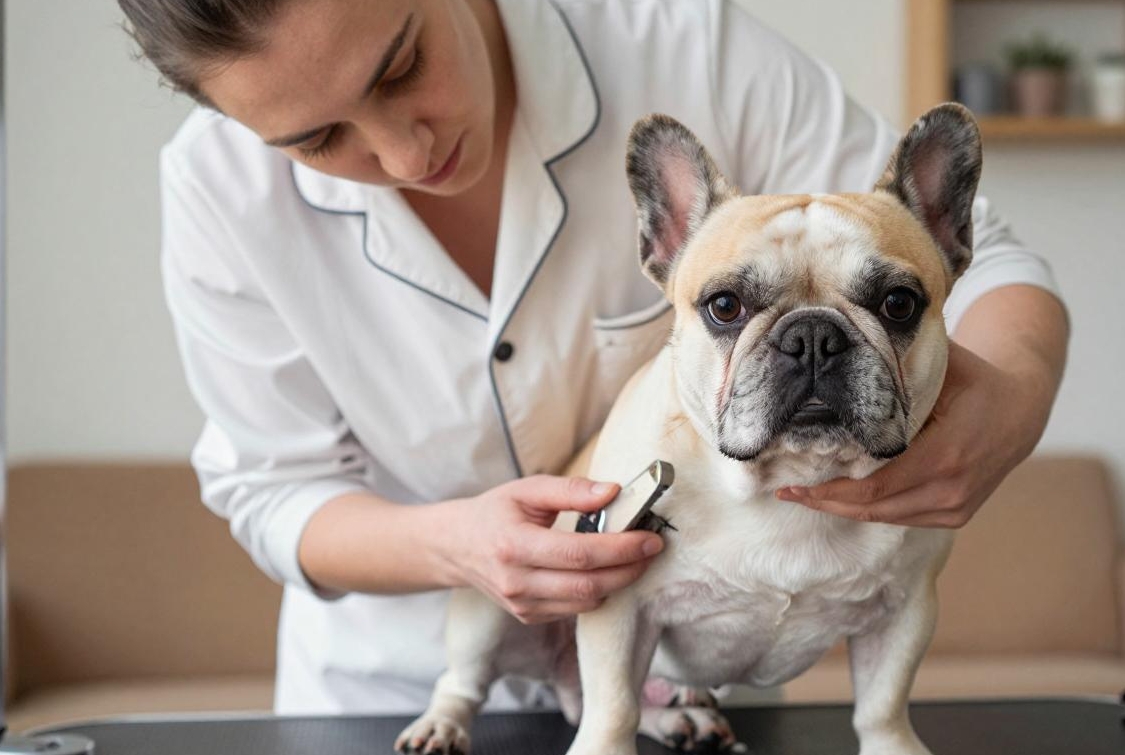
1. Inspection: Hold your dog on your lap and gently spread each toe. Visually examine and sniff the toe gaps and paw pads. Watch for swelling, small bumps, hair loss, dander or abnormal pigmentation. Check for foul odours; mild natural scent is normal, but sour or rotten smells signal trouble. Early‑stage interdigital dermatitis may appear only as a tiny red spot, so early detection is critical.
2. Cleaning: Do not rinse paws directly under tap water, which pushes moisture deep into crevices that remain hard to dry. My method: prepare a shallow basin of lukewarm water and a dedicated soft small towel. Submerge paws and gently rub between toes to wash away sand and dirt. Trim overgrown paw hair regularly to trap less grime. For light everyday dust, thorough wiping with a well‑wrung damp towel works well. Never use harsh human‑grade cleaners or soap, which destroy protective skin oils. Use pH‑balanced pet‑specific paw‑wash foam or hypoallergenic cleansing solution.
3. Drying: the most vital and frequently‑skipped step! Blot excess moisture with soft towels, then always use a hair‑dryer. Set dryer to low heat and low airflow. Keep toes gently separated with one hand while drying, ensuring every crevice is fully dry. Test temperature against your own hand until paws feel completely dry and slightly warm. This may take several minutes, so be patient. I often tell owners: “Imagine how uncomfortable wearing socks with wet feet would feel for you.”
Solution 2: Weekly deep care & environmental management
Beyond daily cleaning, perform more thorough paw maintenance once per week.
Use pet‑safe soothing antibacterial paw‑soak solution (e.g. tea‑tree‑oil or oatmeal formulas; always confirm product safety and proper dilution). Soak paws for roughly 10 minutes to suppress microbial growth. Thoroughly dry paws afterwards.
Also manage your home environment. Keep floor surfaces where your dog spends time dry, especially near doorways to bathrooms and water fountains. Provide a dry comfortable bed; avoid long‑term resting on damp mats.
Solution 3: Build good habits to reduce irritation at source
Behaviour management matters too. If your dog licks paws for no obvious reason, identify triggers: boredom, anxiety, or existing itchiness? Offer more interaction and puzzle toys to redirect attention. For severe licking, use an Elizabethan collar temporarily to prevent self‑injury while investigating root causes.
Also check nail length regularly. Overgrown nails alter paw weight distribution, squeeze toes tighter together and reduce ventilation. Watch for overly dry, cracked paw pads. Pet‑specific paw balm can protect pads, yet massage balm fully into skin and avoid leaving residue trapped between toes.
Pitfall‑Avoidance Guide: Are You Making These Common Mistakes?
Well‑intentioned wrong practices can cause harm during paw care:
Mistake 1: Over‑cleaning. Repeated paw‑washing with disinfectants or soap destroys the skin’s natural microbial barrier and oil layer, leaving skin weaker and more infection‑prone.
Mistake 2: Skipping thorough drying. As seen in Tank’s case, surface‑level wiping is insufficient. Deep‑layer dampness is the main trigger for problems.
Mistake 3: Unregulated self‑medication. Applying human ointments (especially steroid‑containing creams) after noticing swelling may mask symptoms or worsen infections. All medication must follow formal veterinary diagnosis and guidance.
Mistake 4: Dismissing it as “a minor problem”. Early‑stage interdigital dermatitis may only show slight swelling and licking. Without intervention, it can progress to deep abscesses, granulomas (red overgrown tissue), and complex behavioural issues from persistent itching.
Summary
Preventing French bulldog interdigital dermatitis is a battle built on small details and consistent routines. It does not demand advanced techniques or expensive supplies. The core is the owner’s patient daily “check‑clean‑dry” workflow after every walk, as natural as washing your hands after coming home. By maintaining dry, clean paw conditions, you drastically lower the risk of painful interdigital dermatitis, letting your dog explore the world happily on four healthy fresh paws.
Important Reminder
Please note: this article shares preventive daily‑care guidance. Seek professional veterinary support if you observe any of these signs: persistent severe swelling on toes or paw pads; pustules, ulcers or bleeding; obvious pain‑induced lameness; uncontrollable frequent licking‑biting; or no improvement / worsening after one week of home care. These usually mean established infection requiring medical intervention. Visit a licensed pet hospital promptly for professional diagnosis (cytology tests may be needed) and strictly follow veterinary treatment instructions. Do not self‑medicate, as delayed treatment can worsen outcomes.