Hello everyone. Many French bulldog owners are troubled by perpetually damp, yellow‑stained and smelly fur around their dogs’ muzzles — and I totally get it. This is almost a universal challenge for owners of brachycephalic breeds such as French bulldogs and pugs. Over my career, I have treated countless French bulldogs suffering from skin infections and discomfort caused by this issue. Today I will walk you through this problem and share field‑tested, practical solutions.
I Understand Your Frustration
Several years ago, a client brought his French bulldog “Potato” for consultation. Potato was adorable, yet fur around his muzzle had turned rust‑brown from oxidation; his skin was red, swollen and foul‑smelling. The owner tried wiping with wet towels, but symptoms worsened. Irritated, Potato scratched with his paws and rubbed his chin on the ground. The owner felt helpless and heartbroken. This is far from an isolated case. Due to their unique physiology, French bulldogs must live with chronic drooling‑related issues.
Root Causes: Why Is the Muzzle Such a Problem Zone?
To solve the problem, we first need to understand its origins. Muzzle‑related trouble in French bulldogs arises from multiple overlapping factors:
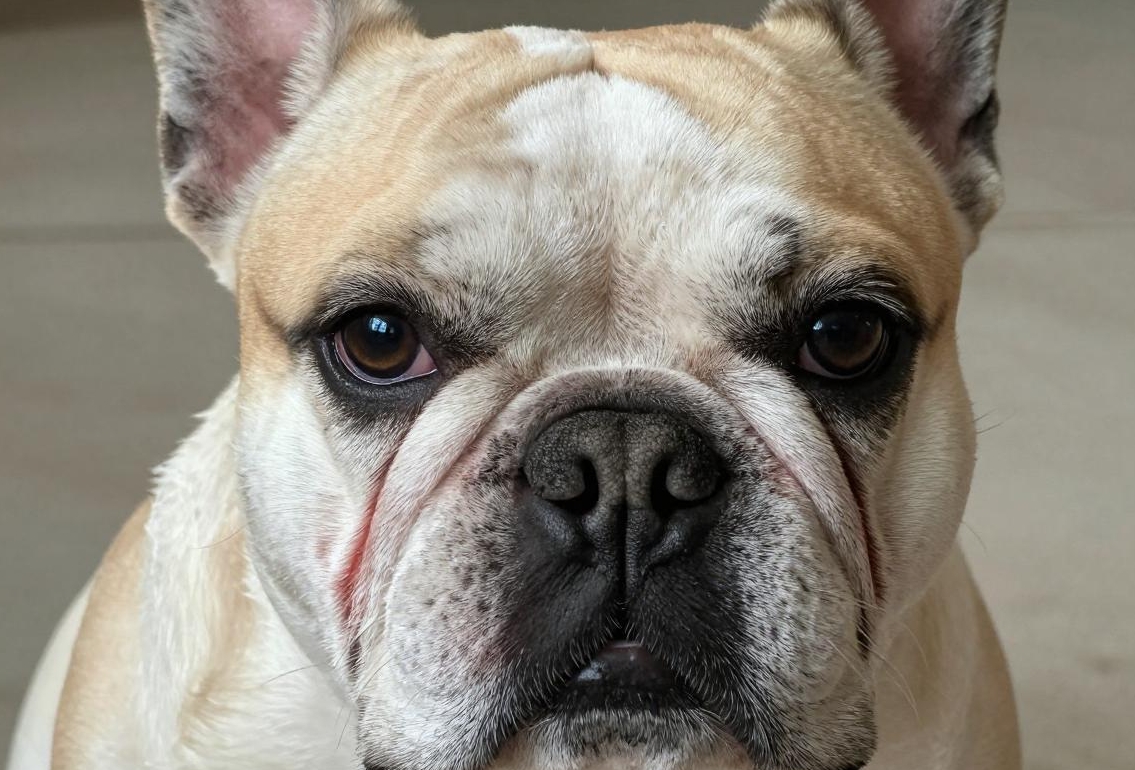
1. Innate Anatomical Traits: Short, broad skulls, thick lips and deep chin folds form natural reservoirs. Saliva cannot drip away freely and accumulates within lip folds and surrounding fur.
2. Abundant Saliva Production: Brachycephalic dogs have relatively narrow airways. They often breathe with their mouths open to dissipate heat and improve ventilation. Accelerated saliva evaporation triggers further salivation. This becomes especially obvious during excitement, at the sight of food or after exercise.
3. Constantly Soaked Fur: Saliva is not pure water. It contains digestive enzymes, food residues and bacteria. Prolonged soaking oxidizes hair proteins, turning fur yellow and coarse — much like sweat stains on clothing. Dampness also damages the skin’s protective outer layer.
4. Perfect Breeding Ground for Microbes: Warm, moist folds filled with food debris are ideal for yeast (e.g. Malassezia) and bacteria. Their overgrowth causes redness, itching and unpleasant cheesy‑musty odors.
Practical Solutions: Validated by My Own Dogs and Real‑World Cases
With the theory covered, let’s move to actionable advice. These methods are summarized from my own senior French bulldogs and hundreds of clinical cases. Owners should combine multiple strategies; consistency is critical.
Solution 1: Multi‑Step Daily Cleaning — Focus on Complete Drying
Wiping saliva away is not enough. Our goal is to restore full dryness in affected areas.
My Experience: I once only used baby wipes. While surface dirt was removed, extra moisture remained and aggravated symptoms. I later revised my workflow.
Step‑by‑Step Procedure:
1. Gentle Cleansing: After meals, drinking or drooling during play, immediately use soft, highly‑absorbent cotton wipes or pet‑specific paw‑cleaning foam wipes to dab and soak up saliva. Use dabbing‑absorbing motions rather than rubbing back and forth, which can irritate skin.
2. Antiseptic Disinfection (Key Step): 2‑3 times weekly after cleaning, apply diluted pet‑grade chlorhexidine solution (typical dilution ratio 1:4 to 1:10; follow product instructions). Gently wipe fold interiors and muzzle skin with cotton pads. Chlorhexidine suppresses yeast and bacteria with low skin irritation. This is my go‑to remedy for early‑stage skin issues.
3. Thorough Drying (Core Step): This step is frequently overlooked! After cleaning and disinfection, use a fresh dry cotton wipe or cool/low‑heat hair‑dryer to carefully dry and pat‑dry deep folds and fur. Ensure the area feels completely dry to the touch.
Solution 2: Proper Tools Make Care Easier
The right tools simplify maintenance.
My Experience: I recommended a saliva bib for Potato’s owner. His first choice was 100‑percent‑cotton fabric. Though absorbent, it trapped moisture with poor ventilation. Switching materials brought immediate improvement.
Step‑by‑Step Procedure:
1. Choose Breathable Saliva Bibs: Select bibs made of breathable mesh or quick‑dry fabrics instead of heavy cotton. They catch dripping saliva and prevent chest‑fur soaking. Remember to change frequently — replace once damp, otherwise they become a damp burden.
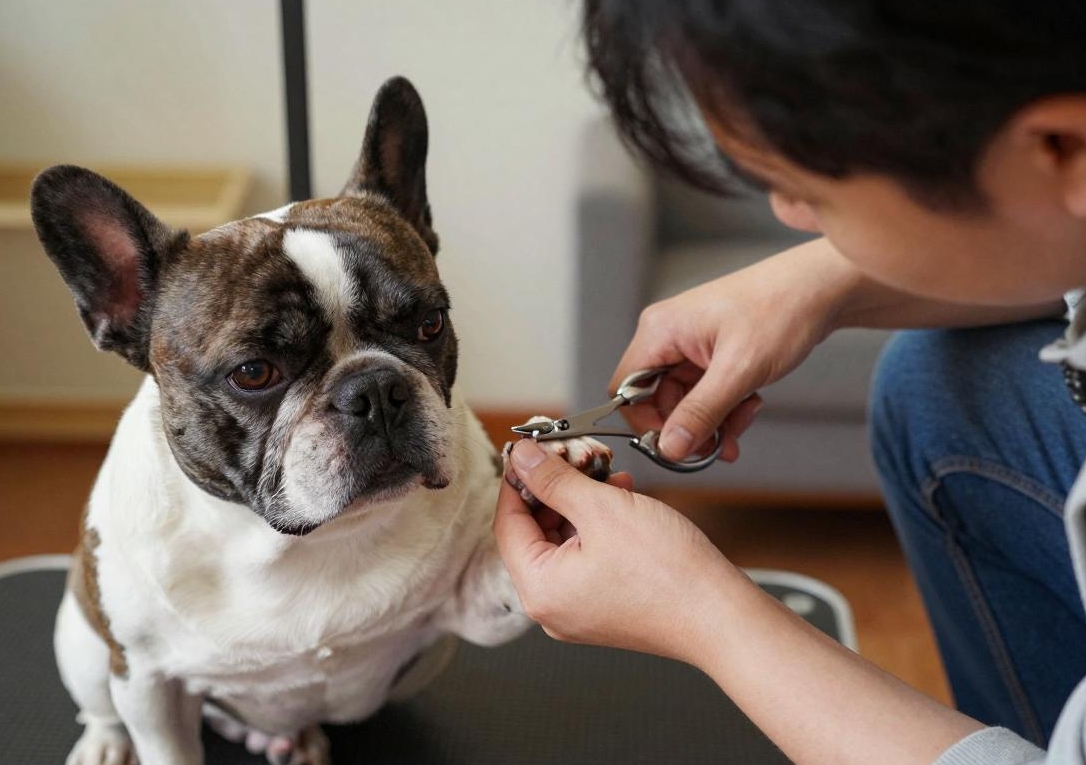
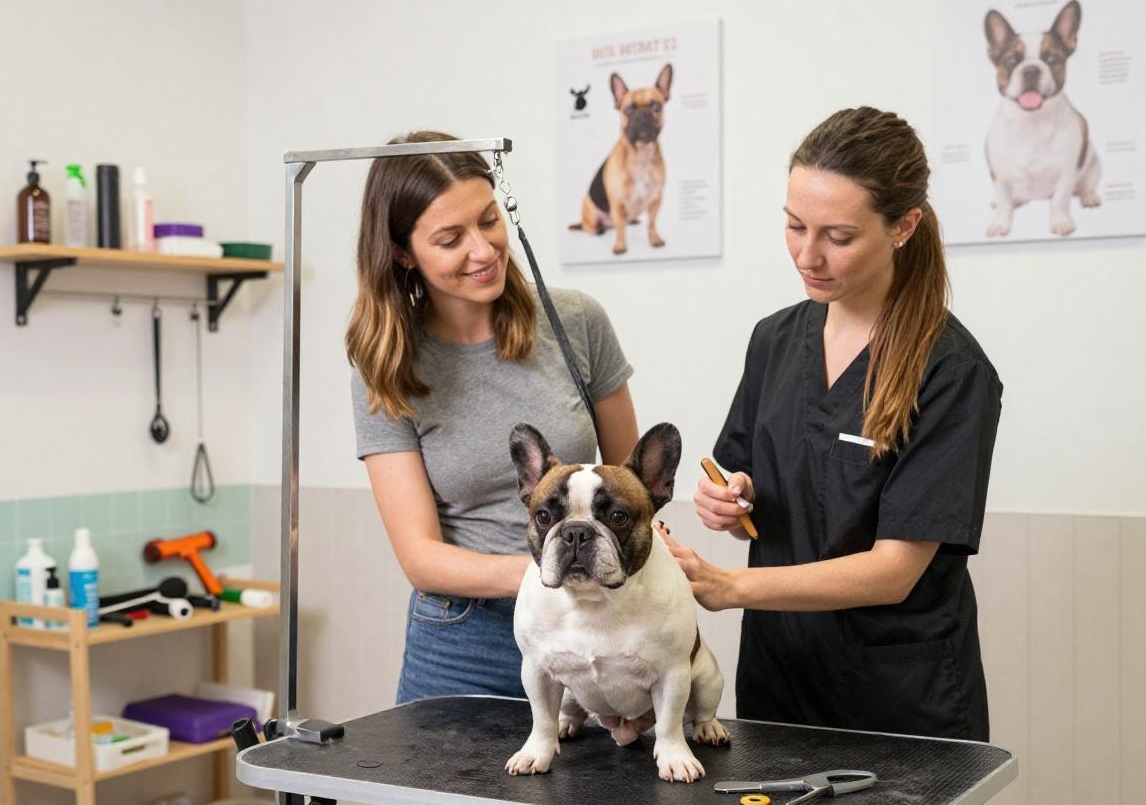
2. Trim Surrounding Fur: Regularly ask a groomer or carefully trim muzzle‑ and chin‑area fur prone to saliva contact moderately short. Shorter fur traps less grime and dries faster. Do not shave completely; keep moderate length for skin protection.
3. Keep Dry‑Clean Powder Handy: For emergencies such as outings where full cleaning is impossible, apply pet‑safe corn‑starch dry‑clean powder lightly onto damp fur. It absorbs moisture rapidly. Pick fragrance‑free natural formulas and prevent inhalation or ingestion by your dog.
Solution 3: Source‑Level Adjustments — Diet and Drinking Habits
Reducing saliva output and contamination lowers overall burden.
My Experience: One client’s French bulldog suffered severe drooling after eating wet food. Switching to kibble plus revised drinking‑ware improved symptoms by roughly 70 percent.
Step‑by‑Step Procedure:
1. Adjust Food Texture: Sticky wet food and meat pastes stick easily to muzzle fur and skin folds. Feed high‑quality appropriately‑sized dry kibble when possible. If feeding wet food, perform targeted cleaning right after meals.
2. Use Slow‑Feed Bowls or Hanging Water Bottles: Wide shallow water bowls submerge the whole chin. Switch to narrow‑nozzle pet fountains or hanging licker‑style water bottles (similar to small‑pet bottles). They greatly reduce chin‑fur soaking during drinking. Slow‑feed bowls reduce air intake from gulping, indirectly lowering salivation.
3. Maintain Oral‑Hygiene Routines: Inspect teeth regularly. Tartar and gingivitis trigger excess salivation and bad breath. Stick to tooth‑brushing or pet‑oral‑care products to preserve oral health.
Solution 4: Skin‑Barrier Repair & Prevention
For mildly reddened skin without severe infection, proactive skin repair is needed.
My Experience: Applying protective agents after thorough cleaning and drying effectively blocks irritants and supports recovery.
Step‑by‑Step Procedure:
Once skin is fully dry, apply a thin layer of pet‑specific skin‑repair ointment or zinc‑oxide‑based pet‑rash cream onto reddened folds. These products form a protective film over skin to block saliva irritation. Zinc oxide also offers astringent and antibacterial benefits. Apply thinly and prevent licking by your dog.
Pitfall Guide: Common Mistakes You Might Be Making
1. Over‑Cleaning and Human‑Use Products: Do not frequently wipe with human soap, body wash or alcohol. Their pH values are unsuitable for dogs; they disrupt cutaneous acid‑base balance and cause drier, hypersensitive skin.
2. Skipping the Drying Step: Cleaning without thorough drying leaves skin sitting in a microbial growth medium. Always treat complete drying as your final care step.
3. Non‑Breathable Wrapping Materials: Do not cover the chin long‑term with air‑impermeable plastic or rubber. These create damp, oxygen‑poor conditions accelerating infection.
4. Delaying Veterinary Visits: Seek professional help when you observe large‑area red‑swollen skin, ulcers, pus discharge, intense itching (constant scratching), or sudden worsening odors. These exceed home‑care capabilities and may indicate deep dermatitis or mixed fungal‑bacterial infection. Visit a vet immediately.
Summary
Treating yellow, smelly muzzles in French bulldogs demands patience and careful long‑term management. There is no miracle one‑fix‑all remedy. Success relies on daily habits: timely cleaning + thorough drying + antibacterial protection. Everything matters: proper tool selection, dietary‑drinking adjustments, and consistent correct care workflows. Watching Potato recover from swollen inflamed skin to clean pink healthy skin brought joy both to his owner and me. Trust that with correct persistent care, your French bulldog can also bid farewell to grimy yellow muzzles and show off a fresh‑looking cute smile.
Important Reminder
All shared methods apply to routine prevention and mild‑symptom home care. Dog‑skin problems may look similar yet stem from diverse underlying causes. If you see zero improvement after one week of following these steps, or symptoms deteriorate rapidly, visit a formal veterinary hospital for professional diagnosis. Skin‑scraping tests and fungal cultures identify exact causes for targeted treatment such as prescription ointments or oral medication. Never use human‑formulated hormone ointments on your own; they may mask symptoms or trigger side‑effects. Love your dog by providing scientific, timely care.