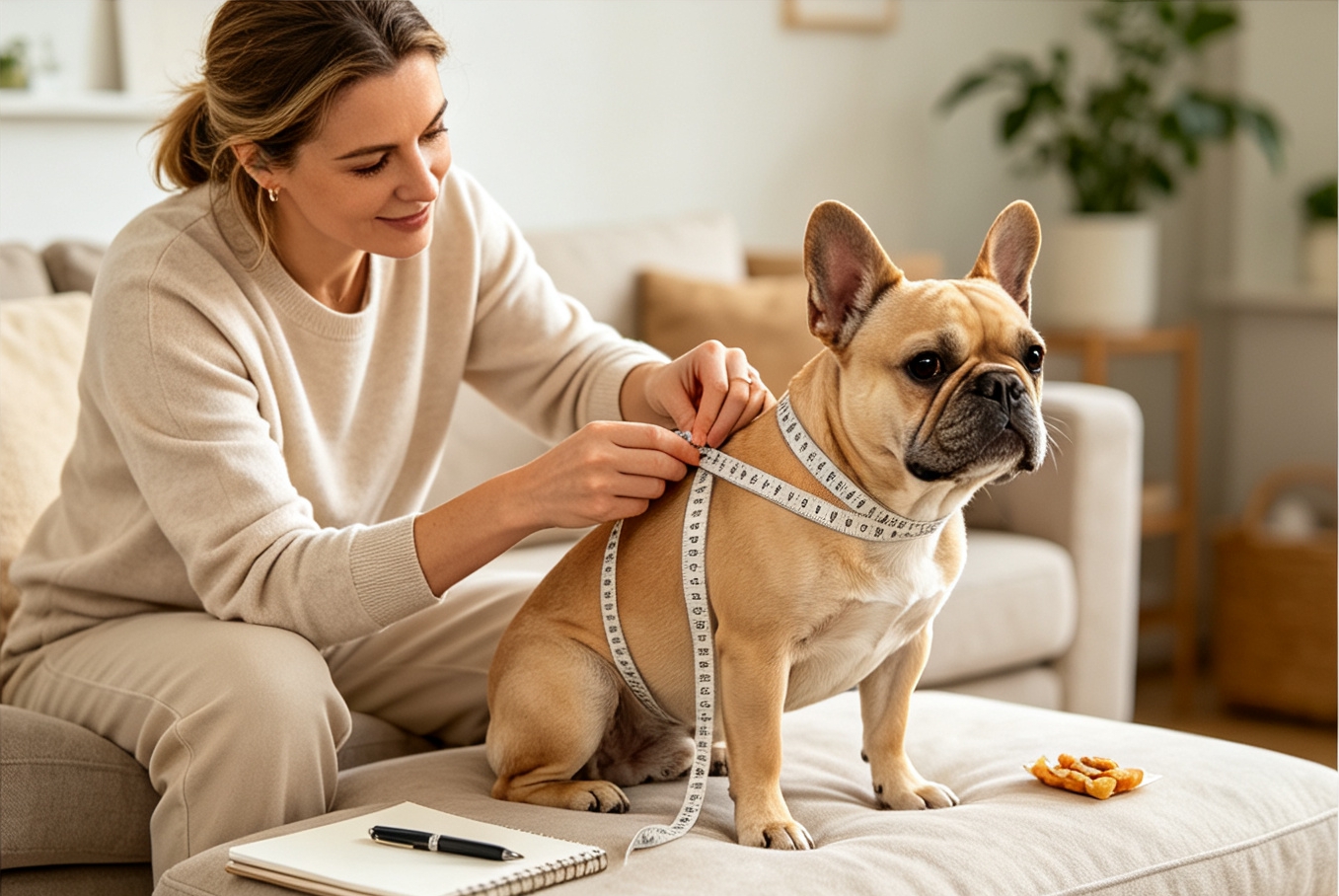
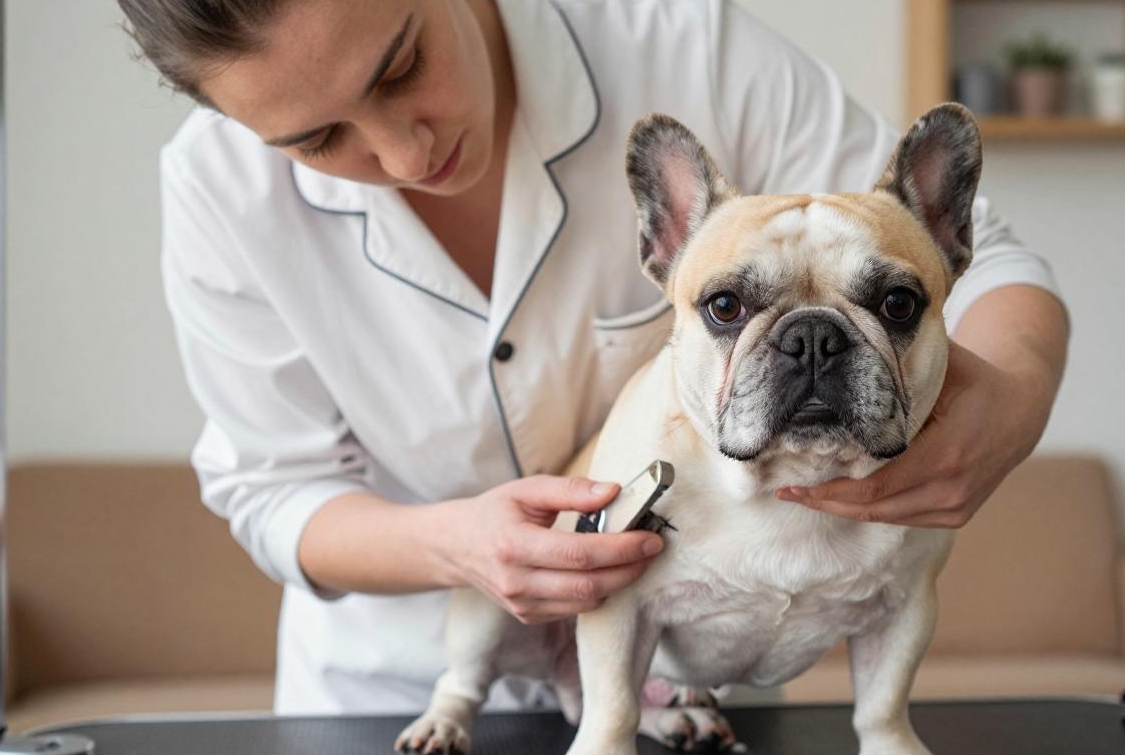
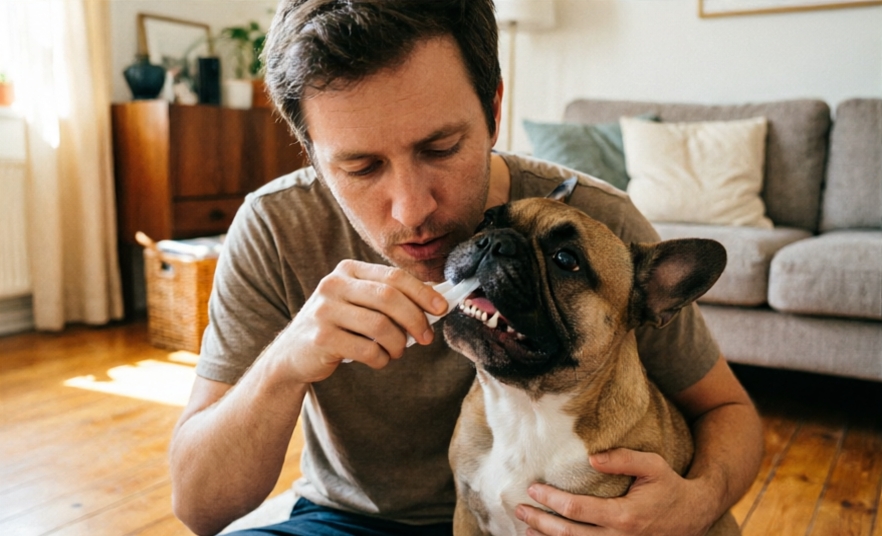
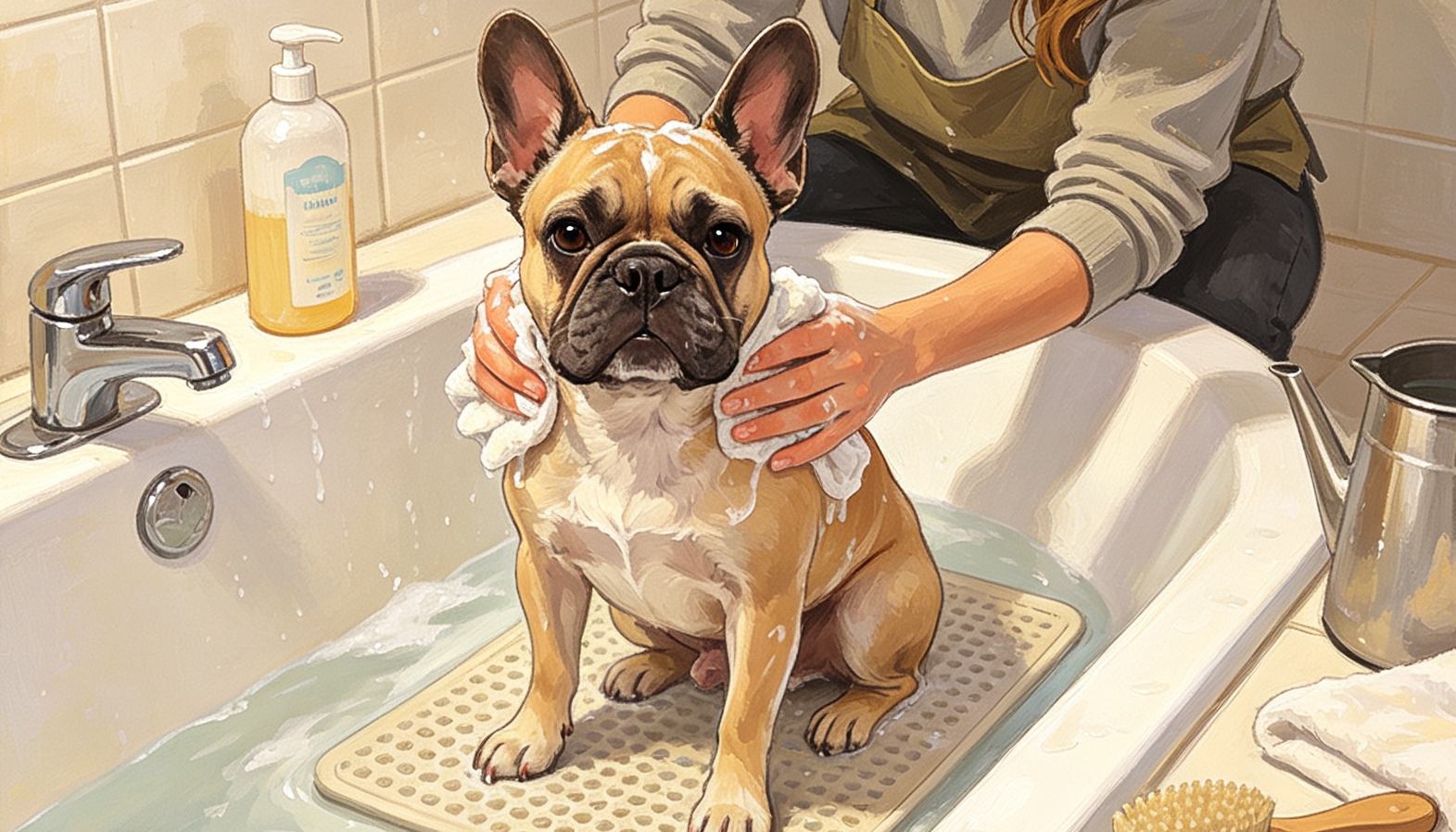
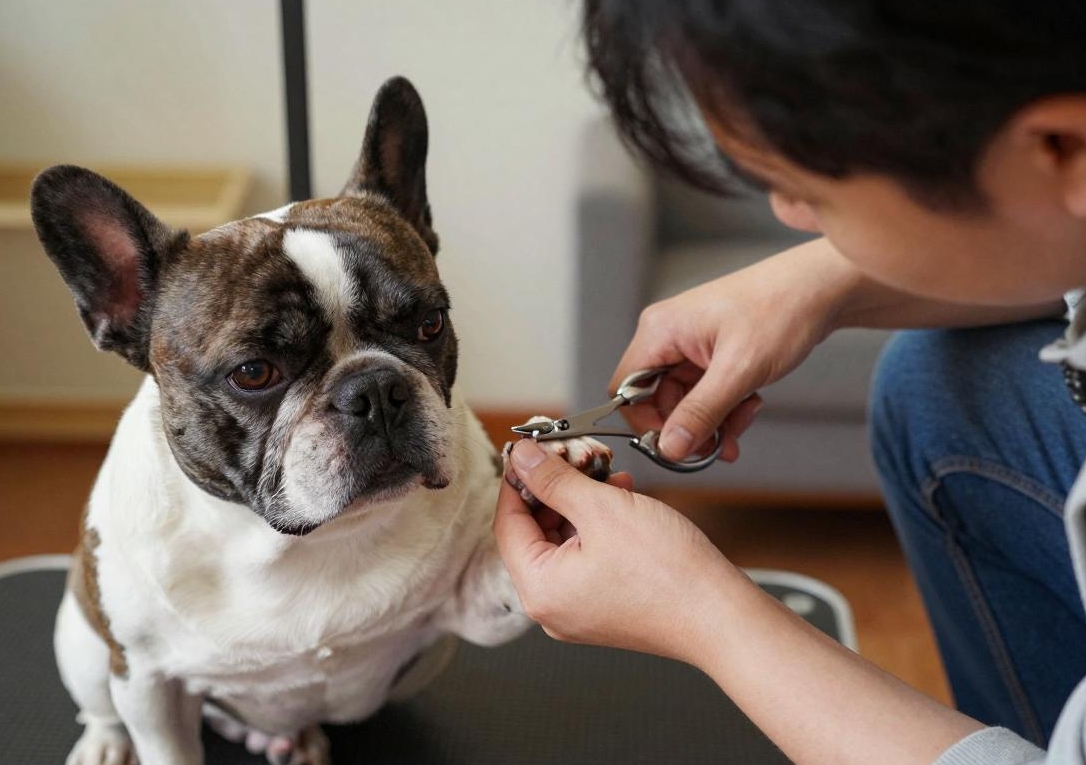
Hello to all French Bulldog parents! I’m sure many of you have experienced this scene: you pull out the nail clipper, and as soon as you get close to your adorable French Bulldog, it wiggles, pulls its paws away, and even grumbles with displeasure. A full-on battle between human and dog begins. It usually ends with you sweating buckets, your Frenchie feeling upset, and only one or two nails trimmed. Forcing your dog to hold still wears you out and terrifies your pet. One traumatic experience can make future nail trimming far harder. Today we will fully solve this problem. With scientific training, you can teach your French Bulldog to tolerate — or even accept — nail trimming.
Why Do French Bulldogs Hate Nail Trimming?
To fix the problem, we first need to understand it. Your Frenchie resists nail trimming not because it is misbehaving or deliberately defying you. There are deep physical and psychological causes behind this behavior:
1. Instinctive Insecurity: Paws are vital organs for dogs to sense and move. Having their paws grabbed or lifted triggers an innate fear of being restrained. For stubborn, sensitive French Bulldogs, this unease is amplified.
2. Negative First Experience: Many dogs get cut on the quick (the pink tissue inside nails filled with nerves and blood vessels) during their first nail trim. Severe pain leaves lasting psychological trauma. From then on, nail clippers become a signal of pain locked in their memory.
3. Fear of Tools & Noise: The sharp “snip” of clippers, vibration and hum of electric nail grinders sound terrifying to dogs with sensitive hearing. The cold metallic texture also makes them uncomfortable.
4. Uncomfortable Positioning: For convenience, owners often place dogs in awkward, insecure poses — pinning them down or lifting legs high. This escalates their urge to struggle.
Once you understand these factors, you will realize training is not about dominating your dog. It relies on communication and building positive associations. Below I share a proven training plan built on real cases and ten years of professional experience.
Solution: Four-Step Training From Fear to Cooperation
Remember our motto: Slow progress gets faster results. The full training process may take days or even weeks — patience is essential.
Step 1: Build Positive Associations With Nail Clippers (Desensitization & Counterconditioning)
This is the most critical stage. Our goal: make your dog think of good things, not pain, when seeing nail clippers.
Real Case Experience: I once worked with a French Bulldog named Tank. He was so terrified of nail clippers he would hide under the bed the moment he spotted them. His owner previously tried force, which damaged their bond.
Step-by-Step Instructions:
1. Reward on Sight: Place nail clippers on the floor beside you, do not touch your dog. If your Frenchie glances at the clipper, even casually, immediately praise excitedly with “Good boy/girl!” and offer a high-value treat they love (cooked chicken breast, cheese cubes).
2. Gradually Move Closer: On the next day, hold the clipper in your hand. Reward your dog whenever it stays calm. Slowly bring the clipper nearer (without touching them). Reward every time they do not retreat.
3. Introduce the Clipping Sound: Once your dog no longer reacts nervously to your hand and the clipper, simulate clipping in the air next to them to make the “snip” sound. Keep noise soft at first, or mimic the sound with your fingers while continuously offering treats. Turn the “snip” noise into a signal for snacks.
Short training sessions of 3–5 minutes multiple times a day work best. When you can wave an open nail clipper beside their paws while your dog calmly waits for treats, Step 1 is complete.
Step 2: Desensitization to Paw Touching
Most dogs dislike having their paws squeezed. We need them to get comfortable with this touch.
Step-by-Step Instructions:
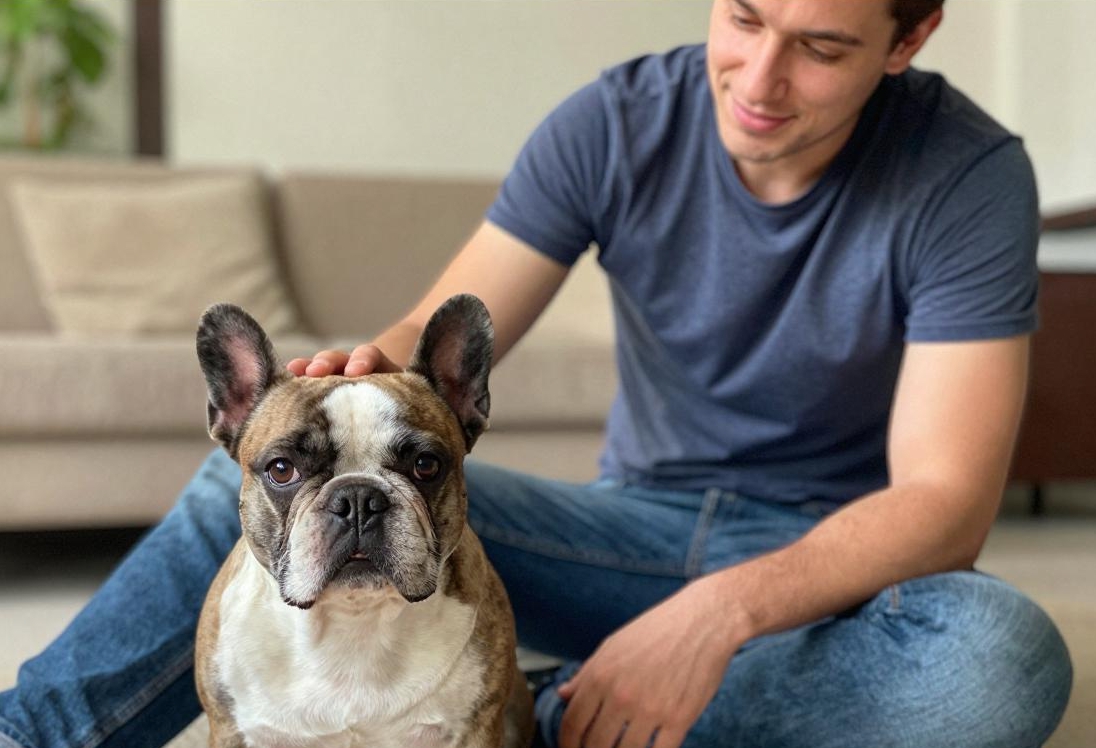
1. When your dog is relaxed (resting and lying down), gently stroke its leg and slowly move your hand toward the paw. Give a treat the instant you make contact.
2. Try gently holding its paw, release quickly, and reward. Slowly extend how long you hold it (from 1 second up to 3, then 5 seconds).
3. Simulate nail trimming motions: softly pinch one toe tip just like pressing nail clippers, reward right away. Teach your dog: toe being touched = good things happen.
Make sure to touch all paws, especially hind paws that most dogs hate being handled.

Step 3: Practical Practice — Start With One Single Clip
Real Case Experience: With Tank, after finishing the first two steps, I advised his owner to aim for just one clip on the first attempt. Even trimming only 0.5mm off the tip of one nail counts as a huge success.
Step-by-Step Instructions:
1. Choose Proper Tools: I highly recommend nail clippers with safety guards or electric nail grinders. For French Bulldogs with common black nails, safety guards prevent over-cutting. Though grinders produce noise, they avoid cutting the quick instantly, making them safer, and leave smoother nail edges. Use Step 1 training to help your dog adapt to the grinder’s vibration and sound first.
2. Positioning Matters: Do NOT lay your dog on its back — this maximizes insecurity. Ideal positions: let your dog lie on its side or stand on a stable surface (grooming table, sturdy coffee table with anti-slip mat). Stand beside or behind them. For small Frenchies, you can let them sit on your lap leaning against you; hold their paw from above.
3. The One-Cut Rule: Hold the paw, quickly trim a tiny piece of the nail tip (or gently grind twice). Before your dog reacts, praise enthusiastically and give lots of treats! End the session right there. Conclude every training session on a happy note.
4. Increase Progress Gradually: Next time, try trimming two nails on the same paw, then three… Take it slow. Celebrate heavily after every trim. Build your dog’s mindset: nail trimming = time to earn big rewards.
Step 4: Ongoing Maintenance & Emergency Care for Nicked Quick
Even after successful training, consistent maintenance is needed. Check nails weekly and trim small amounts when they grow long. Frequent minor trims are far easier for dogs to accept.
What to do if you nick the quick and cause bleeding? This accident happens to nearly every pet owner, and proper handling is critical:
1. Stay Calm! Your panic will scare your dog. Immediately press the bleeding spot with prepared styptic powder or styptic gel (available at pet stores). If unavailable, apply firm pressure with clean tissue or a bar of soap.
2. Do not scold your dog, and do not blame yourself. Speak softly to comfort them. Once bleeding stops, offer extra treats and affection. This accident may set training back slightly, but you can rebuild trust by layering more positive rewards over this negative memory.
3. Learn to locate the quick: you can see pink tissue in light-colored nails. Be extra careful with black nails; shine light through the nail or grind tiny amounts from the tip gradually.
Mistakes To Avoid At All Costs
1. Never Force Restraint: Using brute force deepens fear and may trigger defensive biting. Even the gentlest dog can snap when terrified.
2. Do not attempt trims when your dog is excited or irritable: Choose calm periods after meals or walks.
3. Do not cut all nails in one session: For fearful dogs, splitting trimming into multiple sessions is the best strategy.
4. Never punish your dog if you nick the quick: This is not their fault.
5. Do not ignore hind paws: Hind nails wear down less easily and tend to grow longer, requiring regular trimming.
Summary
Trimming your French Bulldog’s nails is fundamentally an exercise in building confidence and trust. Using the scientific workflow of desensitization → positive association building → small incremental steps → positive reinforcement, you can turn this stressful chore for both of you into bonding time. Let go of the pressure to finish all nails in one session. Adopt gradual thinking: touching the paw without struggle is already a victory. Every bit of patience you give earns more trust and cooperation from your dog.
Important Reminder
The methods shared in this article work for most French Bulldogs that resist nail trimming out of fear or discomfort. However, stop home training immediately and consult a professional veterinarian or experienced canine behavior trainer if your dog shows severe aggressive tendencies (attempting hard bites), extreme stress responses during training (violent trembling, drooling, loss of bladder/bowel control), or you notice abnormal swelling, sores or deformation on nails and paws. These issues may not just be behavioral; they can stem from health problems such as joint pain or paronychia. Professionals can perform a full assessment and provide targeted medical or behavioral intervention plans to keep you and your beloved French Bulldog safe and healthy.