Hello everyone. Over ten years caring for countless pets and their owners, I have noticed one easily‑overlooked yet vital grooming detail: cleaning walking gear. This issue is especially prominent for French bulldog owners. Today we will dive into how to clean harnesses and leashes scientifically, building solid hygiene protection for your French bulldog’s daily outings.
The Overlooked Hygiene Blind Spot: Dirty Harnesses and Leashes
Picture this scenario: after walking and playing with your French bulldog, you usually wipe its paws, body and even its signature facial folds. But what about the harness and leash soaked in sweat, rainwater, dirt and saliva? Many owners simply hang them up for next use. I have encountered many cases where French bulldogs suddenly develop redness, hair loss and even infections on their chest and armpits. Tracing back the cause, the culprit is often the bacteria‑ridden harness that has never been cleaned. French bulldogs naturally have fragile sensitive skin with numerous dirt‑trapping folds. Coupled with their active nature and tendency to sweat, damp soiled gear pressing against skin becomes an ideal breeding ground for bacteria and fungi.
Why Is Cleaning French Bulldog Walking Gear So Critical?
This is not merely for appearance or smell. There are three core reasons:
First: Specialized skin structure. French bulldogs are short‑haired dogs with relatively thin skin barriers and many body folds, especially on the chest and armpits. While wearing a harness, these folds experience extra friction and tight contact with gear. Unsanitary equipment can easily trigger contact dermatitis, bacterial folliculitis or Malassezia infections.
Second: Metabolism and body odor. Though French bulldogs are small‑sized, they have high metabolism and sebum production. They sweat noticeably after exercise, mainly through paw pads and parts of their skin. Sebum and sweat soak into harness fabrics or leather, creating odor sources and nutrition for microorganisms.
Third: Behavioral habits. Many French bulldogs chew leashes or get saliva all over their harnesses during play. Introduced oral bacteria further raise cross‑infection risks.
I once treated a three‑year‑old French bulldog named Niuniu suffering recurring eczema under its armpits and chest. Symptoms subsided with medication but relapsed shortly after stopping treatment. After ruling out food and environmental allergens, I advised the owner to thoroughly clean and routinely disinfect its harness. One week later, skin conditions improved visibly and relapses became far less frequent. This real‑world case proves small details determine pet health.
Step‑by‑Step Solutions: Give Your French Bulldog A Fresh‑Feeling “Hug”
Drawing from my years of hands‑on experience and past mistakes, I have compiled actionable routines ranging from daily upkeep to deep cleaning. Choose suitable methods based on gear material: nylon, canvas, leather, waterproof fabric and more.
Solution 1: Immediate Daily Cleaning & Drying (Mandatory Every Day)
This is the simplest yet most effective line of defense. Do not rush to remove the harness right after returning from walks.
My Practical Routine: Keep a dedicated soft slightly damp towel (dampened with a small amount of pet‑safe no‑rinse cleaning foam or plain water). Wipe thoroughly the inner harness surface (skin‑contact side) and all straps, focusing on sweat‑prone areas such as armpits and chest. Then blot away all moisture completely with dry towels or paper tissues. Finally hang the harness and leash in a cool well‑ventilated spot to air‑dry. Never toss them inside closed cabinets or damp bathrooms. Once I skipped proper drying during consecutive rainy days, resulting in stubborn mold odors trapped inside nylon material.
Solution 2: Scheduled Deep Water Washing (Every 1‑2 Weeks Recommended)
Regular washing is essential for machine‑washable fabric harnesses (always check care labels before purchase).
My Step‑by‑Step Washing Workflow:
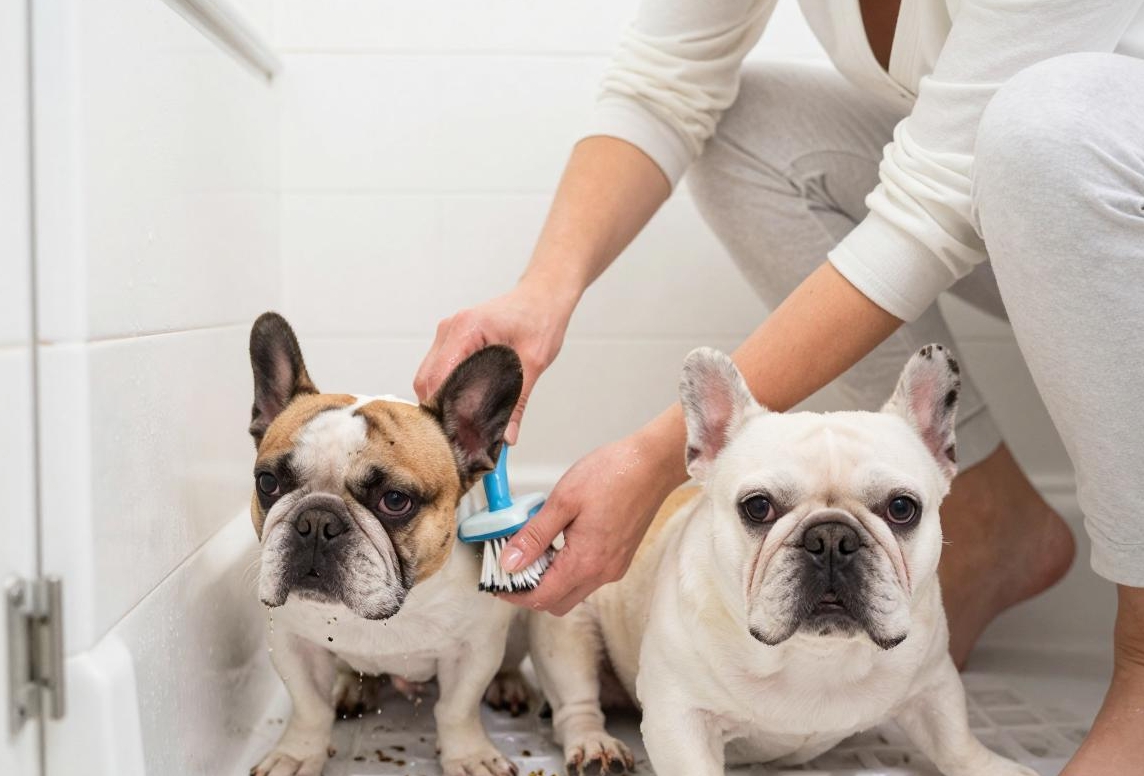
1. Pretreatment: Submerge the harness fully in warm water. Apply pet shampoo or mild neutral laundry detergent onto heavy‑stain zones around buckles and adjusters, leave for 5‑10 minutes.
2. Hand‑wash: Rub gently by hand, paying attention to padding and stitching seams. Avoid aggressive scrubbing with stiff brushes, which may damage fabric texture and waterproof coatings. Early in my career I scrubbed too hard with a brush, ruining a high‑quality waterproof harness: inner lining pilled and waterproof performance was lost.
3. Rinsing: Rinse repeatedly with plenty of clean water until zero foam remains. Detergent residue irritates canine skin.
4. Dehydration & Drying: Squeeze out excess water gently (do not twist violently). Wrap inside dry towels to absorb moisture. Lay flat or hang indoors in ventilation for natural air‑drying. Never dry over radiators or under direct sunlight; high heat hardens, embrittles, fades and deforms materials. Once I sun‑dried a harness, plastic buckles aged and snapped, nearly causing the dog to run loose uncontrolled.
Solution 3: Safe Disinfection (Monthly Or At Seasonal Transitions)
On top of deep cleaning, periodic disinfection kills tougher pathogens.
Safe Field‑Validated Methods:
1. UV‑sunlight disinfection: On sunny days, hang the fully washed and wrung‑out harness in indirect well‑lit ventilation for 1‑2 hours. Ultraviolet light works as natural disinfectant. Use indirect sunlight only to prevent sun‑damage.
2. Pet‑specific disinfectant soaking: Pick safe, low‑odor products labelled for pet‑supply disinfection, e.g. diluted quaternary‑ammonium‑based disinfectants. Mix disinfectant solution following label instructions. Submerge clean harness for 15‑20 minutes, rinse once with clean water, then dry using the above‑mentioned procedures.
3. Steam cleaning: If you own a handheld garment steamer, pass steam slowly over surfaces and inner lining from 15‑20 cm away. High‑temperature steam effectively eliminates bacteria and mites. Exercise caution to avoid scalding yourself or your dog, and prevent damage to delicate materials such as genuine leather.
Solution 4: Leather & Special‑Material Maintenance
Cleaning routines differ for leather harnesses used by French bulldogs.
My Maintenance Tips: Wipe dust away with dry cloths daily. When soiled, wipe gently using a heavily wrung damp cloth and immediately blot moisture with dry cloth. Once 100 % dry, apply dedicated leather conditioner or balm to keep leather supple and prevent cracking. Remember leather hates water and dampness; always air‑dry in ventilated areas after cleaning.
Solution 5: Spare‑Gear Rotation Strategy
This is the most efficient tactic: own two sets of walking harness‑leash kits for rotation. You will always have one fully cleaned, dry set ready‑to‑use. This improves hygiene and extends each product’s service life. The owner of my French bulldog client Tank adopted this method and never again suffered gear‑related skin troubles.
Mistake‑Avoidance Guide: Critical Pitfalls To Avoid
1. Using strong human‑grade disinfectants or cleaners: Such as bleach, chlorine‑based sanitizers and heavy‑duty laundry sanitizers. Strong chemical residues may persist even after rinsing, triggering skin allergies, redness and even chemical burns on French bulldogs.
2. Machine‑washing & tumble‑drying: Do not machine‑wash unless explicitly permitted on product labels, especially for harnesses with metal hardware. Violent agitation and spinning abrade fabrics, break buckles and may damage washing‑machine interiors. Dryer heat causes severe shrinking and deformation.
3. Neglecting metal‑buckle cleaning: Metal buckles and D‑rings trap dirt and oxidation. Wipe regularly with damp cloths then dry thoroughly to stop rust. Corroded buckles may snap and create safety hazards.
4. Storing or using gear before full drying: This is the fastest way to breed mold and bacteria. Ensure equipment is 100 % dry before storage or putting it on your dog.
Summary
Protecting a French bulldog’s skin health demands patient, systematic care. Cleaning harnesses and leashes may seem trivial, yet it is key for skin‑disease prevention and safe, comfortable outings. Build consistent grooming habits: “daily wiping, regular washing, safe disinfection and proper maintenance”. You can efficiently remove dirt and bacteria and greatly lower skin‑disease risks for your French bulldog. Remember: clean gear means every walk gives your dog a safe, hygienic “hug”.
Important Reminder
The cleaning and maintenance methods described here serve for routine prevention and upkeep. If you notice persistent skin redness, abnormal hair loss, papules, pustules, intense itching or unusual odors on your French bulldog, stop home‑treatment immediately and take your pet to a professional veterinary clinic. These signs may signal bacterial, fungal or other skin illnesses requiring professional diagnosis and treatment. Early intervention is critical for your dog’s well‑being.