Dear pet parents, hello everyone. Over the years supporting many dogs and their families, I have observed a frequently‑overlooked issue that genuinely impairs quality of life for numerous dogs — especially senior pets with special body structures like French Bulldogs: slipping on indoor floors.
A Daily Pain Point That Cannot Be Ignored
Picture this scene: your once‑energetic French Bulldog has grown old. It tries to stand up from its bed and walk over to the water bowl for a drink. On shiny tile or hardwood flooring, its hind legs push hard yet gain no traction. You hear scraping slipping sounds as its body staggers and wobbles. A bad slip may even make it afraid to walk again. This is more than simple mobility trouble; it deals a double blow to their confidence and physical health. I have encountered countless such cases. Owners initially think the dog is just “old and lazy”. Only when joint pain worsens, activity drops, or anxiety appears do they realise how serious the problem is. Home anti‑slip protection is no overreaction; it is fundamental to safeguarding dignity and safety in their later years.
Why Do French Bulldogs and Similar Breeds Tend to Slip?
To solve the problem we must first understand its roots. Slipping at home, especially among senior French Bulldogs, stems from multiple overlapping factors:
1. Physiological traits: French Bulldogs are short‑legged, heavy‑bodied dogs with low centre of gravity, making limb support more demanding. In old age, muscle mass declines and core strength weakens, naturally reducing ground‑gripping ability.
2. Paw pad and nail condition: Senior dogs may develop thickened, dry, hardened paw pads which lose natural anti‑slip performance. Overgrown nails force toes upward, shrinking paw‑pad‑to‑ground contact area — much like wearing ill‑fitting shoes, greatly raising slip risk.
3. Joint and neurological issues: Senior dogs commonly suffer arthritis, hip dysplasia and similar conditions. Pain and stiffness create unsteady gaits and poor body control. Degenerative nervous‑system changes can also impair balance and coordination.
4. Environmental factors: Smooth ceramic tiles, laminate wood floors and even some household carpets act like “ice‑rinks” for paw pads. Water spills or dog saliva on floors multiply hazard levels.
Five Practically‑Tested Home Anti‑Slip Upgrade Solutions
Drawing on years of hands‑on experience, I have compiled comprehensive advice covering home‑environment adjustments plus individual pet care. Remember: anti‑slip protection is a systemic task; combining multiple measures delivers best results.
Solution 1: Strategically Lay Anti‑Slip Mats and Walkways
This is the most direct, impactful environmental adjustment. The key lies in “strategic placement”, not covering every room.
My experience and product picks: I once designed anti‑slip pathways for a 13‑year‑old French Bulldog with severe arthritis. Instead of replacing all household flooring, we installed mats along its core movement routes: from dog bed to doorway, food‑and‑water bowl zone, and beside its favourite sofa. After testing many materials, the following two combinations worked best:
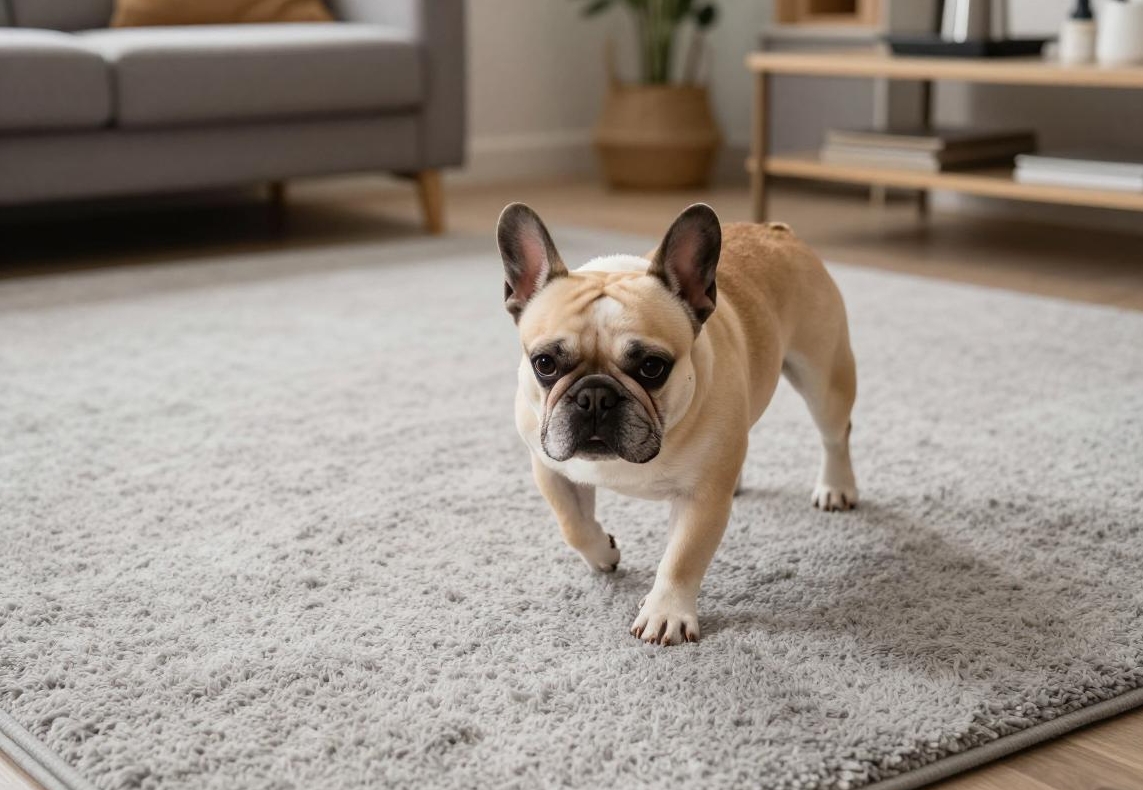
1. High‑density short‑pile anti‑slip carpets: Choose styles with natural rubber non‑slip backing and dense short‑pile surfaces. Long‑pile carpets trap dirt and create tripping hazards. Short‑pile options are easy to clean while offering good friction. Ensure mats are large enough for several full dog steps. Small fragmented mats that only fit one step will worsen gait instability.
2. Yoga mats / professional pet anti‑slip mats: Near drinking stations I strongly recommend yoga mats or equivalent TPE‑material anti‑slip mats. These absorb water well and surface textures effectively grip paw pads. Place water bowls centrally on mats to catch splashes and keep surrounding floors dry. One client reported that simply adding such a mat under the water bowl reduced hesitation and slipping episodes in her senior French Bulldog by 70 %.
Laying tips: On extremely slippery floors, place a secondary anti‑slip mesh underneath mats or fasten edges with double‑sided anti‑slip tape to stop mats shifting and creating new hazards.
Solution 2: Select Proper Anti‑Slip Socks and Boots
For areas where large‑scale matting is impractical (kitchens, hallways), or when visiting friends, vet clinics and other unfamiliar slippery spaces, anti‑slip socks or boots serve as excellent supplementary gear.
My lessons and insights: Early on when recommending anti‑slip socks I frequently met resistance, poor sizing and socks slipping off. I later summarised key principles:
1. Material and sole texture: Pick breathable cotton socks with raised silicone dot or strip anti‑slip patterns on soles. Silicone grips should be plentiful and prominent without irritating paw skin.
2. Perfect fit is critical: Precisely measure paw width and circumference, not merely length. French Bulldogs typically have wide paws. Once fitted you should comfortably slide one finger underneath, yet socks should not twist or fall off easily. Keep initial wear‑time short and pair with treat rewards to build positive associations.
3. Not an all‑purpose substitute: Do not leave anti‑slip socks on indoors long‑term. Dogs rely on paw pads for perspiration and ground sensation. Constant coverage may trigger discomfort or skin complaints. Treat them as “safety equipment” for specific scenarios.
Solution 3: Maintain Healthy Paw Pads and Perform Scientific Nail Trimming
This often‑overlooked measure costs little yet brings huge anti‑slip benefits. Healthy supple paw pads are nature’s best anti‑slip surface.
My care routine: I suggest checking paw pads weekly. If rough or cracked, apply pet‑specific paw balm or plain fragrance‑free petroleum jelly during rest periods, massaging gently to aid absorption. Regular nail trimming is essential. I emphasise “regular”, not “wait until nails grow very long”: keep nail tips lifted clear of the floor so nails never touch ground while standing. For French Bulldogs with black nails where the quick cannot be seen, adopt a “little‑and‑often” approach. File or snip only the curved hooked tip each time every 1‑2 weeks. This is far safer and more effective than cutting large sections at once. After shortening nails you will observe toes fully spread when standing, paw pads make full ground contact, and stability improves noticeably.
Solution 4: Add Auxiliary Gear to Reduce High‑Risk Movements
For senior dogs we should actively “lower movement difficulty”.
1. Use anti‑slip ramps: For sofa, bed or car access, gentle anti‑slip‑surface ramps are much safer than jumping. They drastically reduce instant shock to spine and joints. Choose ramps with side guard rails for greater dog confidence.
2. Elevate food and water bowls: Raised feed‑water stands remove the need for excessive neck bending while eating and drinking. This protects cervical vertebrae and creates more stable standing posture through improved weight distribution.
3. Optimise resting areas: Avoid placing dog beds in open centres of slippery floors. Position beds against walls or on wall‑backed mats so dogs have something to push against when standing up. Select orthopaedic memory‑foam beds with non‑slip bases and supportive edges to ease rising.
Solution 5: Weight management via nutrition and gentle exercise to strengthen muscle mass
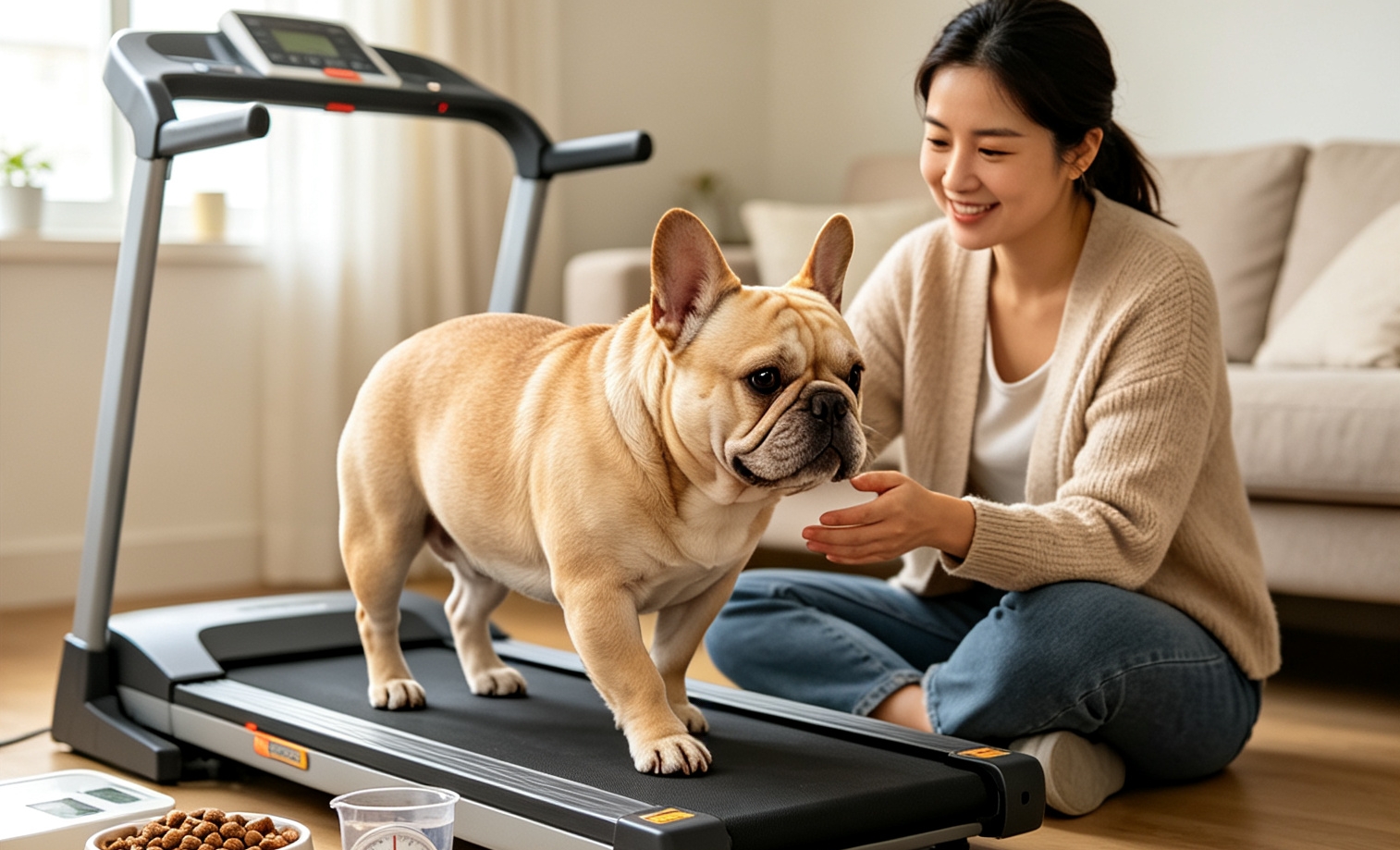
Excess body weight is the number‑one enemy of joint health and mobility. Under veterinary guidance, switch senior French Bulldogs to age‑specific or weight‑management formula food, limit treats and maintain ideal body condition — this itself delivers massive anti‑slip benefits. Meanwhile, once anti‑slip improvements are in place, gentle daily activity such as short flat‑ground walks or underwater treadmill sessions (if available) helps preserve muscle strength; muscle acts as the body’s “natural knee support” for joints.
Pitfall‑Avoidance Guide: Steer Clear of These Common Mistakes
1. Using human bath towels or thin carpets: These slide readily across smooth floors, can tangle paws and create dangers.
2. Relying on “anti‑slip sprays” or floor wax treatments: Some products claiming to increase floor friction contain potentially dog‑toxic ingredients with short‑lived, unpredictable effects.
3. Neglecting mental adaptation: Sudden environmental changes or force‑fitting socks may cause stress. All adjustments should proceed gradually alongside praise and rewards.
4. Treating only symptoms, not root causes: If your dog already shows obvious pain, lameness or sudden mobility loss, anti‑slip measures alone are insufficient. Always seek veterinary diagnosis first to address underlying medical conditions.
Conclusion
Building an anti‑slip home for your senior French Bulldog is a loving responsibility. It does not demand costly full‑house renovation. Instead it calls for careful observation. Along their daily movement paths, use anti‑slip mats, proper grooming and thoughtful auxiliary facilities to build safe, dignified passageways. Every steady stand‑up and every confident walk represents one of the finest gifts we can give them in old age. Watching them rediscover joy exploring freely indoors brings us equal peace of mind.
Important Reminder
The solutions in this article aim to prevent and relieve environment‑caused mobility difficulties in senior dogs. Seek immediate veterinary care if you notice any of the following: sudden inability to stand or walk, complete refusal to bear weight on one limb, severe pain when touched anywhere on the body, urinary or faecal incontinence, or rapid severe lethargy. These may signal acute joint injury, neurological disease or other serious internal illnesses. Stop home observation and visit a professional animal hospital without delay. Anti‑slip set‑ups offer protection, yet professional veterinary treatment addresses the root of health problems.