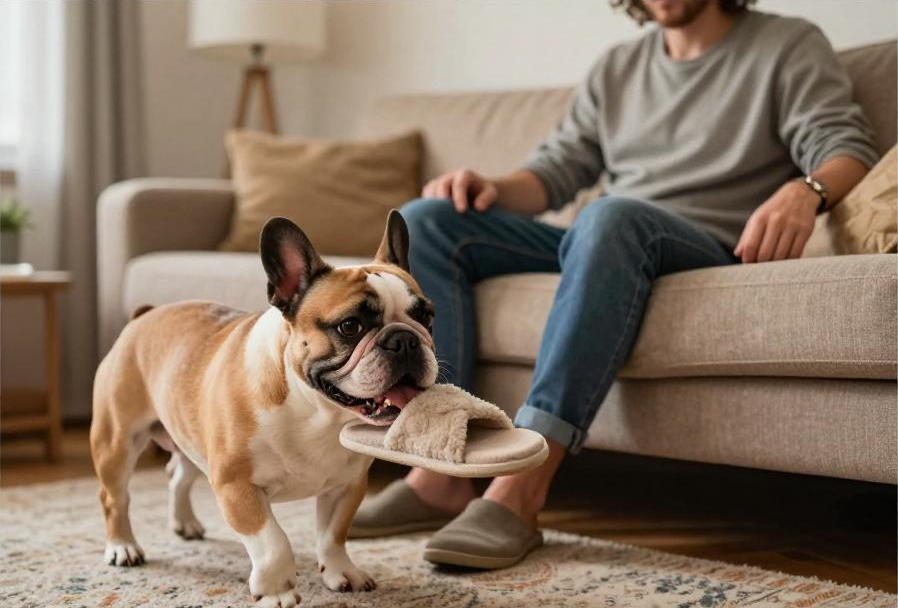
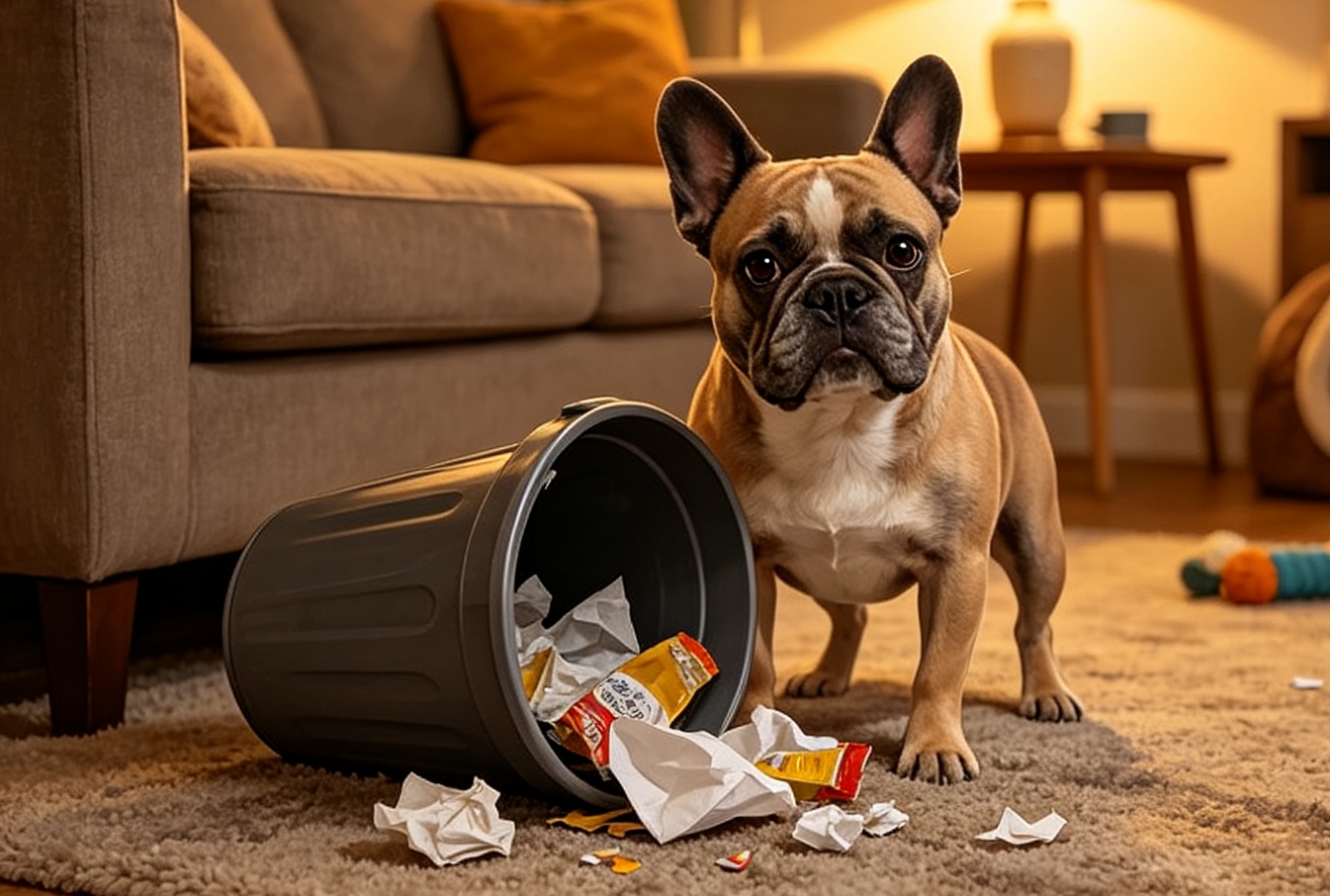
Hi all French Bulldog owners! Over the past ten‑plus years working as a veterinarian and dog trainer, I have met countless lovely French Bulldogs. They are charming and gentle, making wonderful family companions. Yet I frequently hear owners voice similar frustrations: “My French Bulldog loves chasing balls and runs extremely fast, but he simply will not give it back!” “He grabs the ball and runs off to play alone, or spits it out far away so I have to pick it up — who is the pet here anyway?” Today we dive deep into advanced retrieve training. Our clear goal: teach your beloved French Bulldog not only to fetch the ball, but also to willingly and accurately place it directly into your open hand.
Why Do French Bulldogs Fetch but Refuse to Release? Root‑Cause Analysis
Before starting training, you must understand the motivation behind canine behaviour. When a French Bulldog fetches yet will not surrender an item, it is rarely deliberate misbehaviour. Four key reasons usually drive this response:
1. Prey drive and possessiveness: Chasing moving objects such as balls is part of dogs’ innate hunting instinct. Once they catch their “prey”, guarding and keeping it comes naturally. For stubborn or possessive French Bulldogs, giving up a prized “trophy” goes against instinct.
2. Unclear game rules: Owners often unintentionally teach incorrect rules. If your dog runs away holding the ball and you chase him, from his perspective this becomes a fun chase game. Alternatively, if you throw the ball immediately every time he drops it, he may interpret dropping the ball as the end of play rather than the start of another round.
3. Lack of high‑value trade items: To your dog, the ball in his mouth is the most valuable object available. If you have nothing more appealing in your hand — such as tastier treats, enthusiastic praise or another entertaining toy — there is no incentive for him to give up what he already has for something unknown.
4. Stress and uncertainty: Some dogs associate approaching human hands with bad past experiences, for example having their muzzle suddenly grabbed or being shouted at. They may bring the ball close but refuse the final step of releasing it into your hand because this action makes them anxious.
Once you understand these points, shift your training mindset away from forcing surrender toward encouraging voluntary release so your dog thinks giving the ball over is highly rewarding.
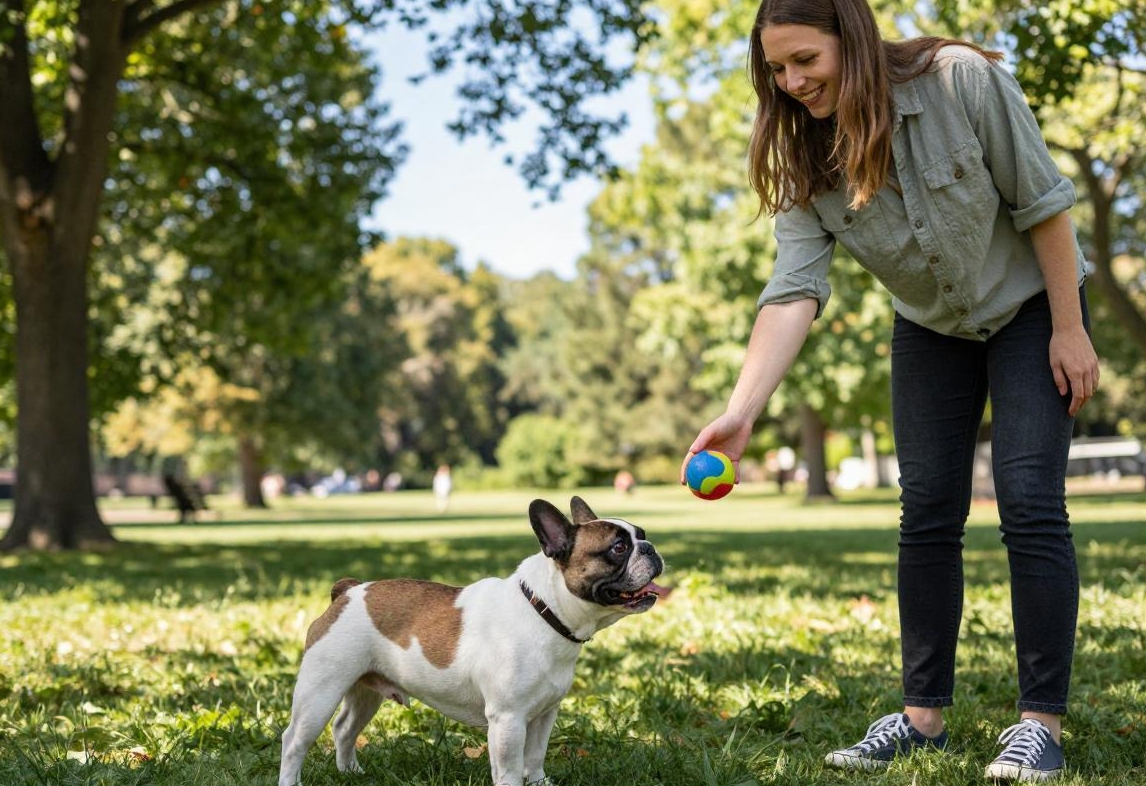
Three‑Step Advanced Training: From Holding the Ball to Releasing It Into Your Palm
Below is a highly practical method refined from real‑world practice, drawing on my experience training a stubborn French Bulldog named Tank. Tank would circle my feet holding the ball for half an hour and refuse to open his jaws.
Step 1: Build Foundations — Your Hand Is the Official Delivery Spot
This stage rewires your dog’s understanding: your hand is not something that steals objects, but a trusted receiving place where good things happen when he approaches.
Practical procedure (Hand‑Target Guidance Method):
1. Prepare high‑value treats: Choose treats far more tempting than regular kibble, e.g. cooked diced chicken breast or small cheese cubes. Tank was completely obsessed with air‑dried duck jerky.
2. Begin from stationary position: Do not throw balls at first. Ask your dog to sit in front of you. Hold the ball in your hand, gently offer it toward his mouth and give a cue such as “Take it” so he takes the ball from your grasp.
3. Execute the critical exchange: Once he holds the ball, hold a treat inside a closed fist and bring your fist under his nose. Speak clearly and cheerfully using your release cue such as “Give” or “Drop it”. Most dogs will open their mouth to sniff the treat, letting the ball fall into your other open palm held underneath.
4. Mark and reward instantly: The very moment the ball lands in your hand, mark correct behaviour by saying “Yes!”, open your fist and reward with the treat. Immediately give the ball back for him to play with for a few seconds, then repeat steps 2‑4.
Common challenge I encountered: Tank would sometimes clamp down hard on the ball and turn his head away. My workaround: set the ball aside temporarily and practise hand‑trust games. Hold out an empty hand; every time he sniffs or touches my hand he earns a treat. Repeat many times until he learns hand approaches predict good outcomes instead of theft of his belongings.
Step 2: Add Movement — Start With Very‑Short‑Distance Fetch
Once your dog reliably takes the ball from your hand and willingly drops it for treats into your palm, introduce small amounts of movement.
Practical procedure (Two‑Step Exchange Method):
1. Toss over a tiny distance: Throw the ball just one step away by your feet and give your cue “Fetch”.
2. Call him back: After he picks up the ball, squat down, hold open both hands and use an excited tone to encourage him to return. If he hesitates, pat your thighs or show your treat.
3. Complete delivery: When he arrives in front of you, repeat the hand‑target exchange routine from Step 1. Insist he places the ball into your hand rather than dropping it onto the ground. If he drops it, do not pick it up. Wait patiently and guide him to pick it up and deliver to your palm.
4. Increase distance gradually: Progress from one step, to two steps, then across the room. Offer enthusiastic verbal praise plus treats for every successful delivery. Expand distance very slowly and maintain an 80 % or higher success rate.
Common challenge I encountered: At slightly longer distances, Tank liked to lie down far away chewing the ball. My solution: use two identical balls. When he holds ball A and refuses to return, take out ball B and play excitedly with it in front of you to grab his attention. Usually he will abandon ball A to investigate ball B. Quickly pick up ball A, reward him for engaging with ball B, then continue training with ball B. This teaches him play can only continue if he brings the ball back.
Step 3: Consolidate and Generalise — Reliable Ball Return in Distracting Environments
After consistent success indoors, add distractions to solidify the behaviour.
Practical procedure (Distance and Distraction Drills):
1. Change locations: Move training to quiet hallways or community gardens. New surroundings bring novel smells and auditory distractions.
2. Gradually reduce treat frequency: Shift from treating every single success toward random reinforcement. Sometimes give an extra‑large treat; other times use heavy petting and excited praise (“Excellent! What a good dog!”). On other occasions reward him by throwing the ball for the next round. This keeps your dog motivated and anticipating outcomes.
3. Add brief holding duration: Once he places the ball in your hand, hold onto it for 1‑2 seconds, make eye contact and praise before throwing it again. This reinforces full completion of the delivery behaviour.
4. Generalise to daily life: Practise not only with balls. Train him to bring other toys and even dropped household items such as remote controls into your hand. Make “place‑into‑hand” a widely applicable, rewarded behaviour.
Pitfall‑Avoidance Guide: Common Training Mistakes
1. Lack of patience and emotional frustration: Dogs sense human mood. Yelling or growing upset when your dog will not release the ball increases his stress and confusion and makes him want to get away from you. Always keep training fun and positive.
2. Mistimed rewards: Deliver your marker signal and treat reward the exact instant the ball touches your palm. Delayed rewards risk reinforcing unrelated behaviours such as sitting or staring at you.
3. Raise difficulty too soon: Solid foundations matter greatly. Master each stage completely before advancing. Do not jump from successful living‑room sessions straight to busy dog‑park training the next day.
4. Stay in charge of starting and ending play: Put the ball away once training finishes. You decide when games begin and stop. Maintaining control over high‑value resources such as the ball strengthens your leadership position.
Summary
Teaching your French Bulldog to reliably place a ball into your hand builds trust, clear communication and positive reinforcement. It is far more than a party trick; it reflects rapport and obedience between you and your dog. By respecting canine instincts, applying correct techniques and progressing step‑by‑step, every French Bulldog can become a capable retriever. Every successful delivery strengthens your bond. Enjoy this rewarding training journey together!
Important Reminder
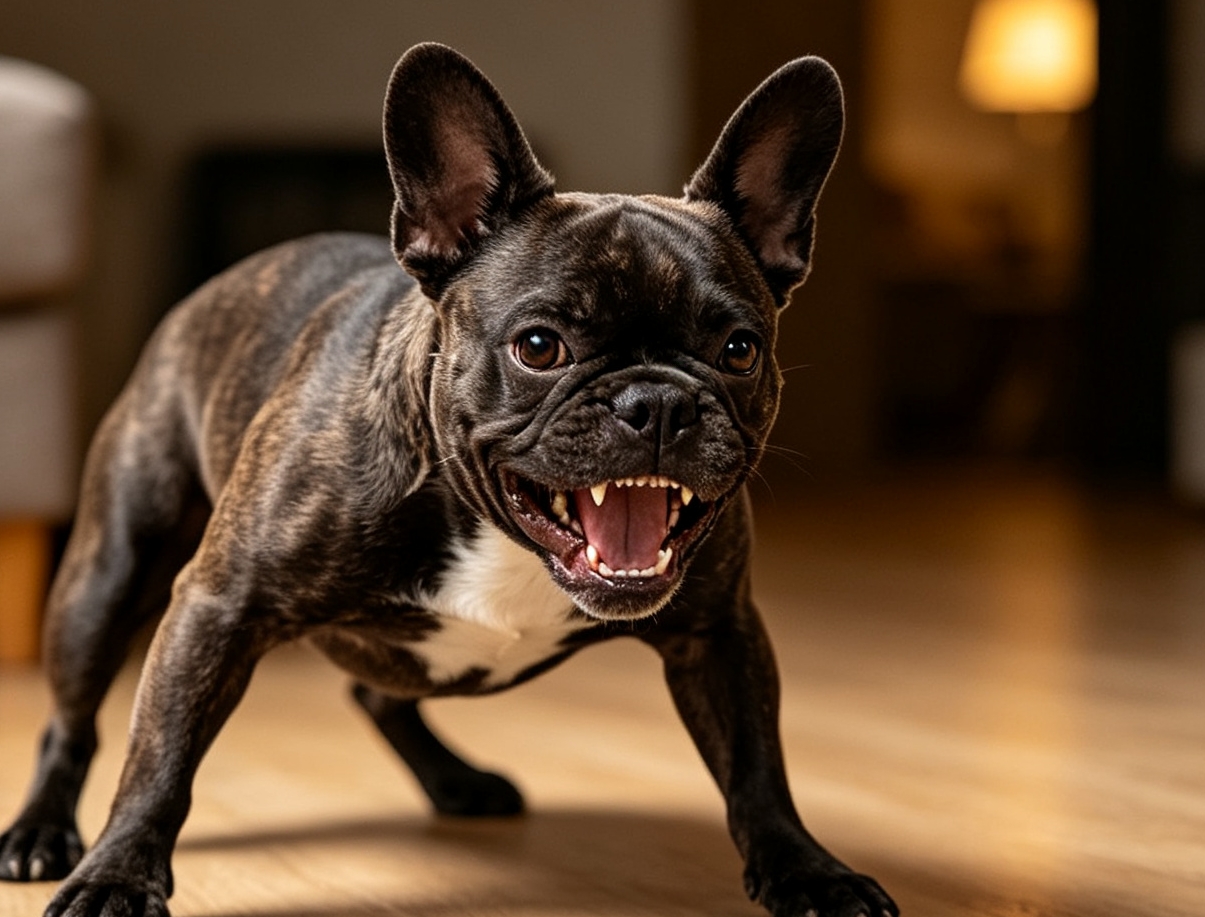
This article covers training techniques for ordinary behavioural challenges. If during practice your dog displays intense resource‑guarding over toys accompanied by growling, bared teeth or other warning signs of aggression, or shows severe fear and anxiety, pause self‑guided training immediately. These symptoms may stem from deeper psychological or health‑related factors. Seek timely advice from a certified pet‑behaviour specialist or veterinary behaviourist for professional assessment and intervention to keep you and your pet safe and well.