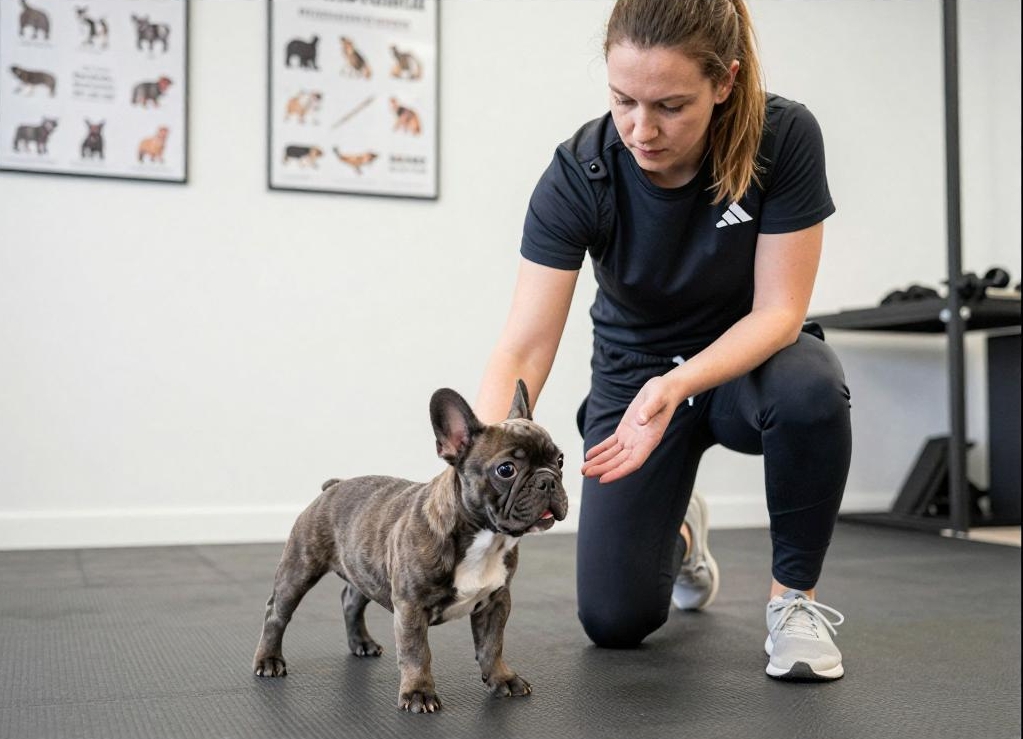
Dear French Bulldog owners, hello. Over years of helping countless pet parents resolve canine behavioural challenges, I fully understand the mixed emotions — from fondness to frustration, helplessness to anxiety — when your lovely French Bulldog turns into a constant alarm, barking at any hour without restraint. Frenchies are intelligent, sensitive and stubborn, and their barking usually signals unrecognized needs. Today we will systematically discuss how to correct this troublesome habit with understanding and patience, instead of simple scolding.

Why Does My Frenchie Bark “For No Obvious Reason”?
First, we must understand: in a dog’s world, there is no such thing as “unmotivated barking”. Every vocalization serves as a way to communicate with the surrounding environment. For French Bulldogs, common barking motivations include:
1. Alertness & Territorial Guarding: Although French Bulldogs are medium-small dogs, they possess strong protective instincts toward the household. Footsteps outside the door or unfamiliar noises can easily trigger their alarm response.
2. Communicating Needs: “I’m hungry”, “I want to go out”, “Pay attention to me!” Once they discover barking quickly grabs your attention and gets demands fulfilled, this behaviour becomes reinforced.
3. Anxiety & Stress: Separation anxiety is widespread among French Bulldogs. Barking serves as an outlet for fear and tension when left alone. Fear of specific stimuli such as thunder or vacuum cleaner noise can also trigger barking.
4. Boredom & Excess Energy: Frenchies require sufficient mental and physical stimulation. If daily life lacks enrichment, they may bark to amuse themselves and burn surplus energy.
5. Underlying Health Issues: This is the most frequently overlooked factor. Pain, physical discomfort, thyroid disorders or cognitive dysfunction (in senior dogs) can trigger behavioural shifts, including abnormal barking.
Understanding these root causes lays the foundation for effective solutions. Remember: our goal is communication and guidance, not suppression.
Three Proven Anti-Barking Training Strategies
The methods shared below have been refined through years of practice and delivered positive outcomes for many French Bulldog families. Consistency and patience on your part are essential.
Strategy 1: Remove Triggers & “Ignore-and-Reward” Method (For Demand / Attention-Seeking Barking)
I once worked with a French Bulldog named Doubao who constantly barked toward the dining table during mealtimes. The owner initially responded by scolding or occasionally tossing food, yet the barking only grew worse.
My Customized Solution:
1. Complete Ignoring: I instructed the family that the moment Doubao began barking at the table, everyone should stop talking, turn their backs, and offer zero eye contact, verbal response or touch — acting as if the dog did not exist. This severs the faulty link between “barking” and “gaining attention or food”.
2. Catch Quiet Moments & Reward Immediately: Whenever Doubao paused barking, even for just one second to catch its breath, the owner should turn around at once, calmly say “Quiet”, and offer its favourite treat. Timing is critical: you reward the behaviour of being calm and quiet, not merely the action of stopping barking.
3. Proactively Provide Alternatives: Before meals, give Doubao a food-stuffed puzzle toy or durable beef knuckle chew to keep it occupied in its bed. This satisfies its oral urges and gives it a productive task.
After roughly one week of consistent practice, Doubao’s nonstop table barking reduced to occasional short bursts. Eventually, it would voluntarily settle down to chew its toy. This experience reinforces how quickly dogs learn when provided with clear, consistent rules.

Strategy 2: Desensitization & Counterconditioning Training (For Alert / Fear-Driven Barking)
Simply telling Frenchies to stop barking when the doorbell rings or strangers pass the window is ineffective. We need to reshape their emotional reaction toward triggering stimuli.
My Customized Solution:
1. Record Trigger Sounds: If doorbell noise is the trigger, record the sound on your phone. Start playback at an extremely low volume — loud enough for the dog to detect, but quiet enough not to spark barking.
2. Build Positive Associations: While playing the low-volume audio, continuously offer high-value rewards such as small pieces of boiled chicken. Help your dog learn: “When this sound plays, wonderful things happen.”
3. Progress Gradually: Once your dog stays relaxed at the current volume, raise the volume in tiny increments and repeat Step 2. The whole process requires slow, steady adjustments, like carefully twisting a dial. If your dog shows tension or begins barking, you have increased the volume too fast; revert to the last comfortable level.
This training demands immense patience and can take several weeks. I have used this technique to help a thunder-phobic Frenchie progress from trembling at storm recordings to remaining calmly beside its owner. The core idea is transforming frightening stimuli into signals for care and rewards.
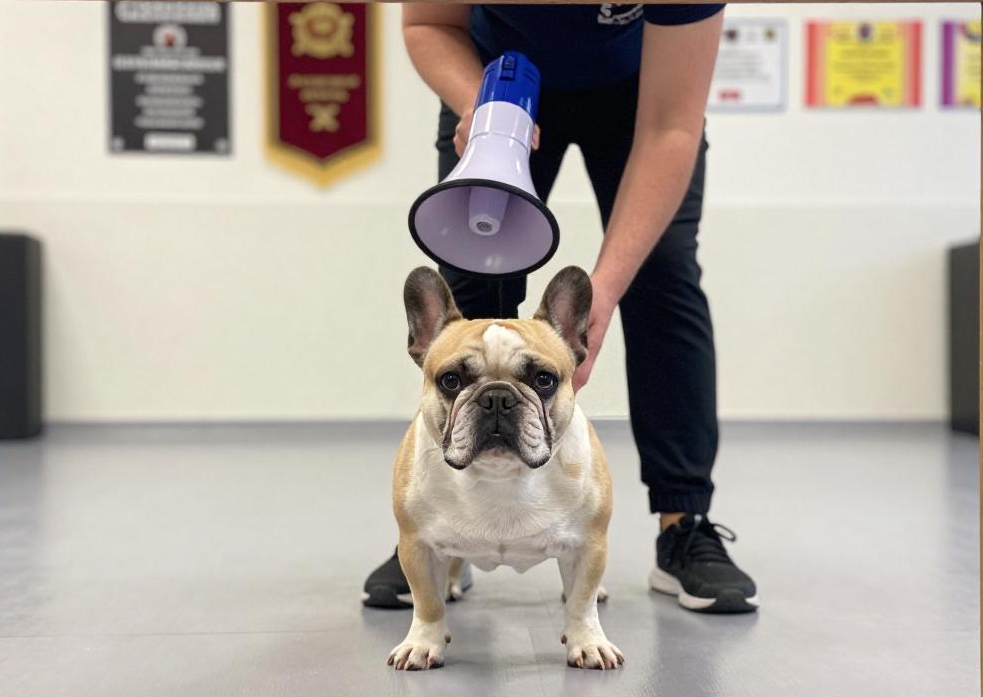
Strategy 3: Meet Needs & Enrich the Environment (For Boredom / High-Energy Barking)
Dogs whose physical and mental needs are fully satisfied will display far fewer problematic behaviours naturally.
My Customized Solution:
1. Increase Scent Work for Mental Drain: French Bulldogs possess a keen sense of smell, and sniffing activities are ideal for mental exhaustion. Hold 10–15 minute hiding treat games every day: conceal snacks around rooms or use a snuffle mat for independent foraging. This calms them better than a plain 30-minute walk.
2. Consistent, Quality Exercise: Combine short walks (avoid hot hours as Frenchies overheat easily) with indoor interactive games such as tug-of-war and soft toy fetch. Schedule fixed daily sessions to burn excess energy.
3. Offer “Jobs” & Choices: Involve your dog in daily routines, for example retrieving slippers or newspapers. Rotate different toys regularly to maintain novelty. A home filled with choices and environmental enrichment drastically cuts boredom-induced barking.

Mistake Avoidance Guide: Steer Clear of These Common Errors
1. Shouting “Stop Barking!”: From your dog’s perspective, loud yelling may sound like you joining the chorus. Or it may interpret any human reaction (even negative attention) as a reward, unintentionally reinforcing barking.
2. Punishment Training Tools: Avoid shock collars, vibration collars or spray deterrents. While these may suppress barking temporarily, they drastically raise canine anxiety and fear. They can trigger more serious behavioural problems including aggression and erode mutual trust.
3. Inconsistent Training Standards: Halting barking one day yet tolerating it when you are in a good mood confuses your dog about the rules and greatly reduces training effectiveness.
4. Skipping Veterinary Check-Ups: Complete a full health examination before starting behaviour modification. Pain is a frequent trigger for behavioural changes and must be ruled out first.
Summary
Correcting excessive barking in French Bulldogs is a journey built on understanding, patience and persistence. Barking cannot simply be switched on and off like a light switch. We must act like problem solvers, uncover the true motivation behind the behaviour, and guide them using scientific, positive reinforcement methods. Remember, your calmness and steady attitude provide your dog with vital security. When you reward the quiet behaviour you hope to see, you are not only fixing a bad habit — you are building a shared communication language rooted in trust and respect.
Important Reminder
If you have followed the above techniques for multiple weeks without improvement, or your dog’s barking coincides with extreme anxiety, self-mutilation (chewing paws, crashing into doors), loss of appetite, aggressive tendencies or other abnormal behaviours, stop independent training immediately. Consult a licensed veterinarian or certified animal behaviourist promptly. These symptoms may signal deeper health conditions or severe anxiety disorders requiring professional medical and behavioural intervention. If you love your Frenchie, seek expert support when needed.