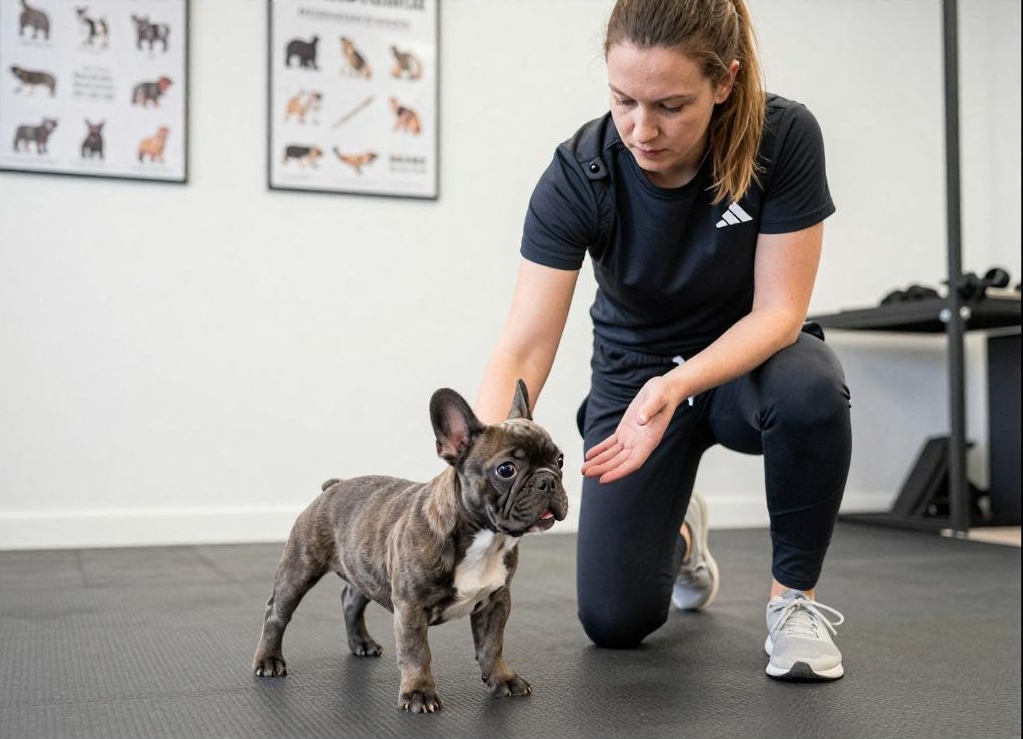
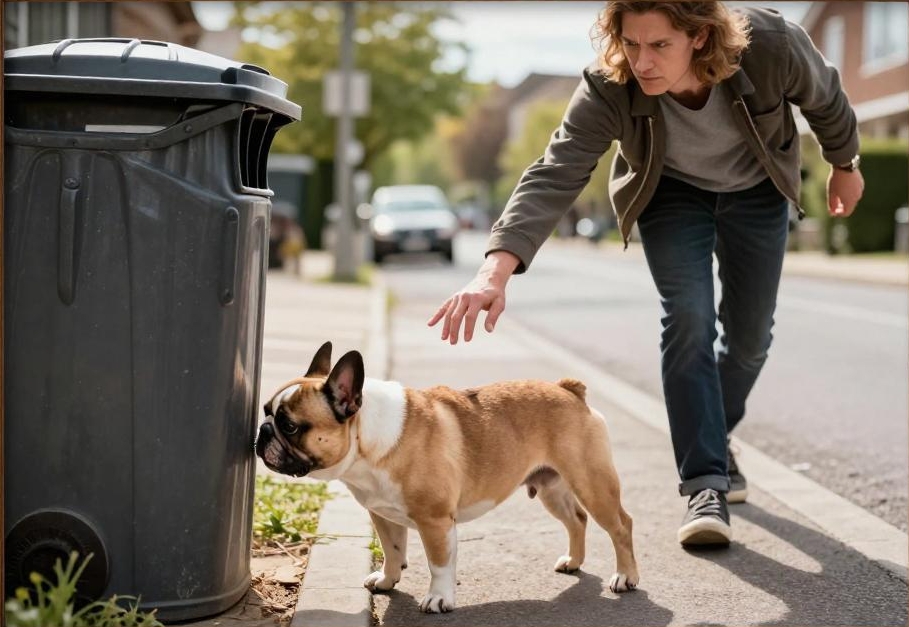
When your “little tank” turns into an “ostrich”: Understanding timid behaviour in French bulldogs
In clinics and training grounds, I have met many stocky, good‑natured French bulldogs that cower, tremble or even leak urine when facing unfamiliar surroundings, loud noises or crowds. Owners often ask me, confused and upset: “Doc, he looks so tough‑‑why is he so fearful?” This is indeed one of the most common frustrations for French bulldog guardians. These dogs may have a tank‑like appearance yet possess the sensitive heart of a deer. This mismatch reduces their quality of life and robs owners of joy exploring the world together. No owner wants to watch their dog miss out on happiness out of fear.
Why Is My French Bulldog So Timid? In‑Depth Analysis Of Root Causes
To solve the problem we first examine its origins. Timidity in French bulldogs rarely appears without reason. Four key contributing factors stand out:
1. Genetics and early‑life experiences: Temperament has a genetic component. Puppies born to sensitive parents may be naturally cautious. Far more critical is the socialisation critical window (roughly 3‑14 weeks old). Over‑protected puppies denied positive exposure to diverse people, dogs, sounds and surfaces learn that “unfamiliar equals dangerous”. I worked with a French bulldog named “Potato” who barely left home before 16 weeks of age. As a result he developed intense fear toward nearly everything outdoors.
2. Sensory overload: As brachycephalic dogs, French bulldogs produce loud breathing sounds and may even be startled by their own noises. They are extremely sensitive to sudden high‑pitched sounds such as vacuum cleaners and car horns. Their visual perspective also differs from humans. Moving objects including bicycles and skateboards can appear abrupt and threatening to them.
3. Negative associations and trauma: One single bad experience can create long‑lasting fear. Examples include being growled at by a large dog, rough handling at a pet shop, or being terrified by loud fireworks. Dogs store full context‑‑surroundings, sounds and smells‑‑and label them as danger cues.
4. Emotional contagion from owners: Dogs excel at reading human body language. When owners grow tense and anxious over their dog’s timidity, or over‑soothe by picking them up and repeating “it’s okay”, the dog interprets this as: “My human is stressed, so this truly is scary!” This reinforces fear responses instead of easing them.
From shy “ostrich” to curious explorer: 5 practical confidence‑building training plans
Solution 1: Gradual, science‑based socialisation (works for adult dogs too!)
Many mistakenly believe socialisation applies only to puppies. Adult dogs can also learn through behavioural modification. The core principles are slow progression and positive associations.
My field experience: I coached an adult French bulldog named “Coal” who was terrified of cars. Instead of taking him straight to busy traffic‑filled roads, we began distant‑observation training.
Step‑by‑step practice:
1. Find a safe starting distance: Choose a spot at a park edge where road traffic is visible yet noise remains faint. Let Coal explore freely and allow him to pick his own comfortable viewing distance from vehicles.
2. Build happy associations: Whenever a car passed quietly before fear kicked in, I cheered “good boy!” and gave high‑value chicken jerky. The goal was to link “seeing cars” with pleasant outcomes.
3. Tiny incremental distance reduction: Repeat sessions at the same spot for multiple days until Coal looked toward me expectantly upon spotting cars. Only then shorten the distance slightly (e.g. 5 metres). The full process took roughly one month. Eventually Coal could walk calmly along sidewalks. Progress is measured by your dog’s relaxed state, not your personal timeline.
Solution 2: Home environmental enrichment & controlled small challenges
Confidence grows through repeated small successful wins. Turn your home into a playground of achievable little victories.
Step‑by‑step practice:
1. Set‑up an exploration corridor: Create simple obstacles in hallways or living rooms: varied‑texture mats (towels, yoga mats, bubble wrap), low stable cardboard box tunnels, and safe crinkly plastic bags (ensure no swallowing hazards).
2. Guide‑don’t force: Lure exploration with treats. Reward heavily with excited praise the moment he hesitates then steps onto bubble wrap. This teaches him: “Trying new things brings great rewards.”
3. Food‑hunting games: Use scent mats, treat‑dispensing balls or simply hide snacks across rooms. Searching exercises mental effort and courage; every successful find boosts self‑assurance.
Solution 3: Desensitization and counter‑conditioning for specific fears
This is the gold‑standard behavioural modification technique, especially effective for fears of doorbells, thunderstorms, or certain categories of people.
My field experience: Client Suzy’s French bulldog “Baozi” showed strong fear of men wearing hats. We built a structured training plan:
1. Low‑intensity trigger exposure: Ask a calm unfamiliar male friend to sit far away wearing a plain unremarkable hat.
2. Feed treats at safe distance: At a range where Baozi could see the man without growing tense, the owner continuously offered tasty high‑value treats such as cheese.
3. Progressive tiny changes: Only one small adjustment per training session: turning his head slightly one day, moving an arm gently the next, switching to a more noticeable hat later. Every change must happen while Baozi stays relaxed and happily accepts treats.
4. Critical rule: Never raise trigger intensity (e.g. the man moving closer or making larger gestures) to the point of triggering fear. Once fear appears, training regresses. This case required six weeks of patience before Baozi could tolerate the friend walking normally 3 metres away.
Solution 4: Build reliable attention‑switch & “exit” cues
Teach your dog dependable safety behaviours. When uneasy, instead of freezing or fleeing, he can look toward you and respond to cues to regain a sense of control and security.
Step‑by‑step practice:
1. Train the “look at me” cue: In zero‑distraction surroundings, lure eye contact with treats, mark with “yes!” and reward. Gradually increase duration and distance between you and the treat.
2. Practise under mild distraction: Have family members walk gently across the room while you practise “look at me”. Deliver extra‑special rewards for success.
3. Establish an “we leave” exit signal: Teach a phrase such as “let’s go”. Always follow this cue by turning away from the stressor and moving toward somewhere your dog enjoys (e.g. toward home). This gives him agency: “If things feel bad, my human will get me out safely.” This sense of control greatly lowers anxiety.
Solution 5: Adjust daily body‑language and interactions
Every gesture you make sends signals to your dog.
Step‑by‑step practice:
1. Be a calm leader: When encountering potential scares such as sudden loud noises, stay relaxed yourself. You can casually comment “it’s nothing” and keep going about your business. Your calm is his best reassurance.
2. Reward bravery‑‑do not soothe fear: Immediately mark and reward tiny brave moments‑‑for example pricking ears at a strange sound instead of hiding. When he shows fear, avoid excessive petting and pity‑toned “it’s okay”. Dogs interpret this as rewarding fearful behaviour. Instead, calmly call his name, ask for a known simple cue such as “sit”, and reward compliance.
3. Play confidence‑boosting games: Structured tug‑of‑war, and chase games in open safe spaces where you run and let him chase you. These build feelings of capability and achievement.
Pitfall‑Avoidance Guide: Common mistakes that can undo all training progress
1. Rushing results / flooding: This is highly dangerous. Forcing a dog afraid of other dogs straight into dog groups “to build courage” frequently causes severe psychological trauma. Fear may escalate into defensive aggression.
2. Mis‑placed comfort during fear episodes: Gentle hugging and consoling strokes while your dog is scared can be interpreted as: “My fearful behaviour earns extra human attention‑‑good job!” This unintentionally reinforces fear responses.
3. Punishing fearful displays: Scolding or yanking the leash when your dog trembles or barks. Fear is an emotion you cannot eliminate through punishment. Punishment amplifies anxiety and creates double negative associations linking the scary trigger together with owner correction.
4. Missing early body‑language signals: Before out‑of‑control barking, dogs show appeasement signals: nose‑licking, yawning, eye‑avoidance and body‑stiffening. Spot these early warning signs and intervene or retreat before stress spikes for far better outcomes.
5. Harmful training tools: Using choke‑chains or prong collars to manage timid lunging. Pain and choking create stronger negative associations with the outside world and worsen behavioural problems.
Summary: Patience builds the bridge to confidence
Building confidence in a timid French bulldog is a long‑distance journey built on trust, patience and understanding‑‑not a quick sprint. There are no instant‑fix tricks, only consistent daily positive guidance. As their most trusted companion, our goal is not to turn them into fearless warriors, but to help them live comfortably and safely within our big world. The joy and satisfaction when he voluntarily sniffs a new flower for the first time, or walks calmly past a previously‑frightening fence, rewards both of you. Every patient pause and well‑timed encouragement lays bricks for his inner house of self‑confidence.
Important Reminder
The methods described suit most timidity stemming from insufficient socialisation or mild trauma. Seek professional support if your French bulldog exhibits any of the following:
1. Fear paired with severe aggression (bared teeth, growling, attempts to bite humans or animals);
2. Self‑harm behaviours (excessive licking until skin breaks, tail‑chasing);
3. Persistent anxiety, trembling and heavy panting even without obvious external triggers;
4. Fear behaviours growing worse despite consistent science‑based training.
These symptoms may stem from deeper anxiety disorders or underlying health conditions including hypothyroidism or chronic pain. It is strongly advised to consult a certified veterinary behaviourist or experienced clinical vet for full assessment and diagnosis. Under professional guidance, combine behavioural modification with medication when medically indicated to deliver the most effective, humane support. Your dog’s wellbeing always comes first.