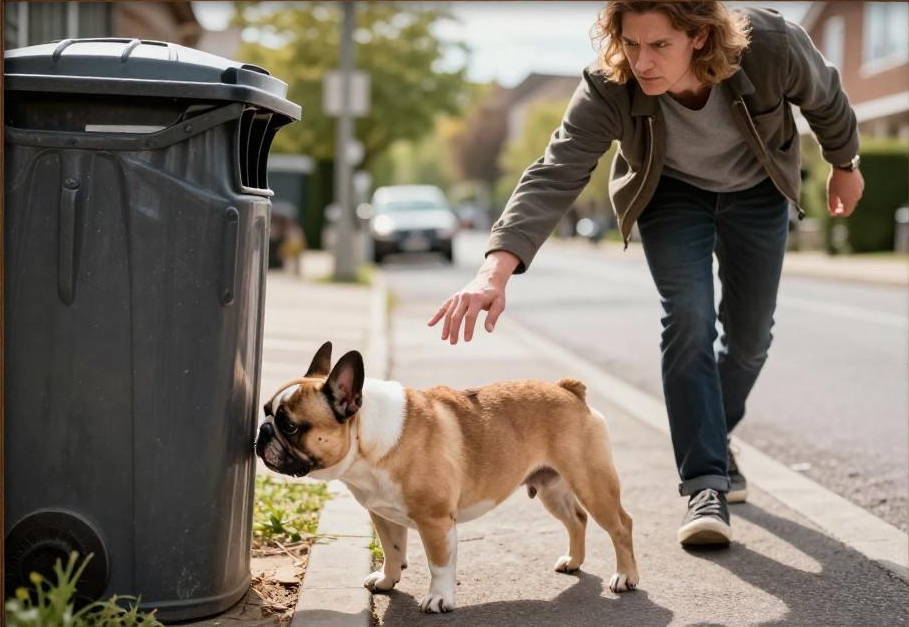
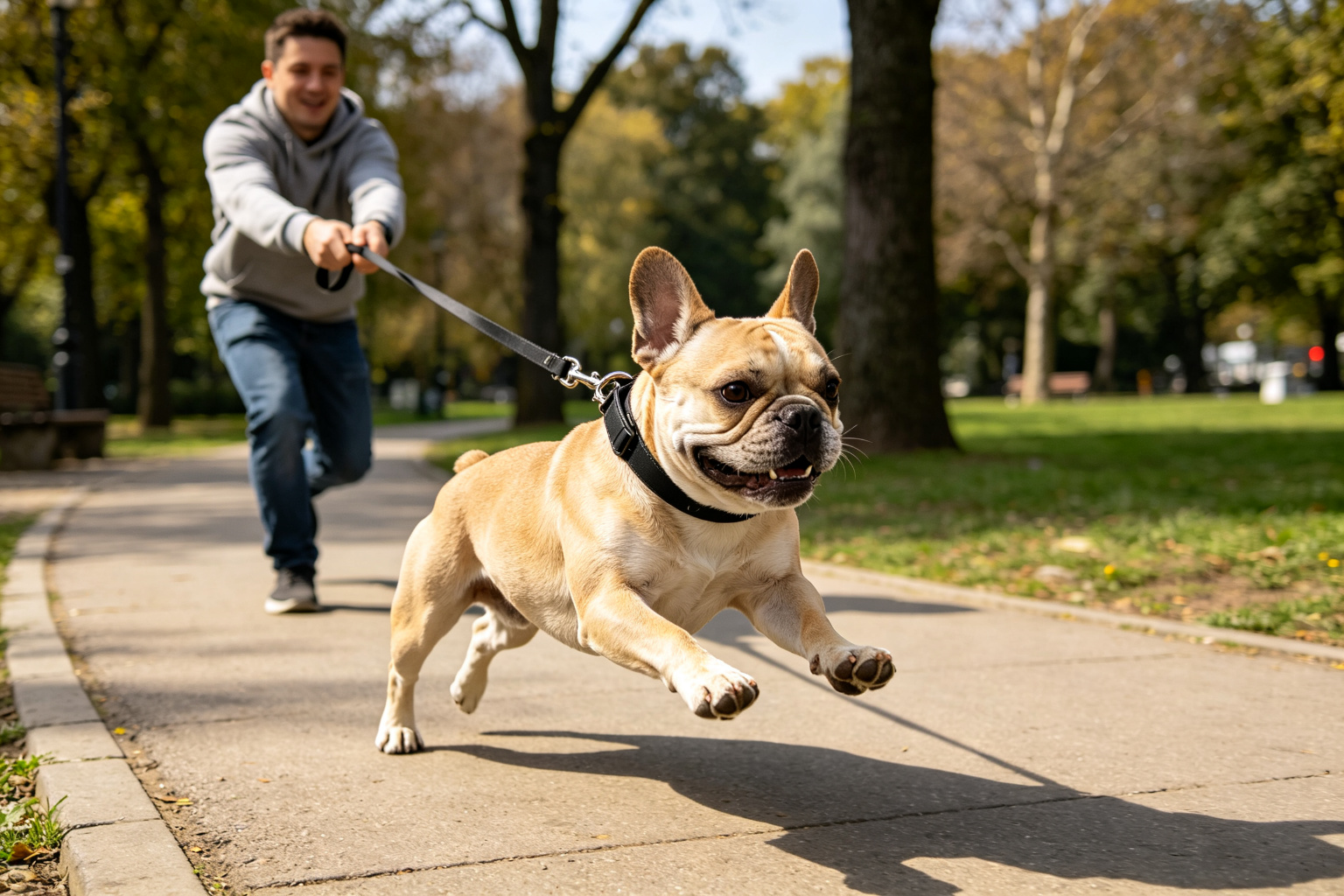
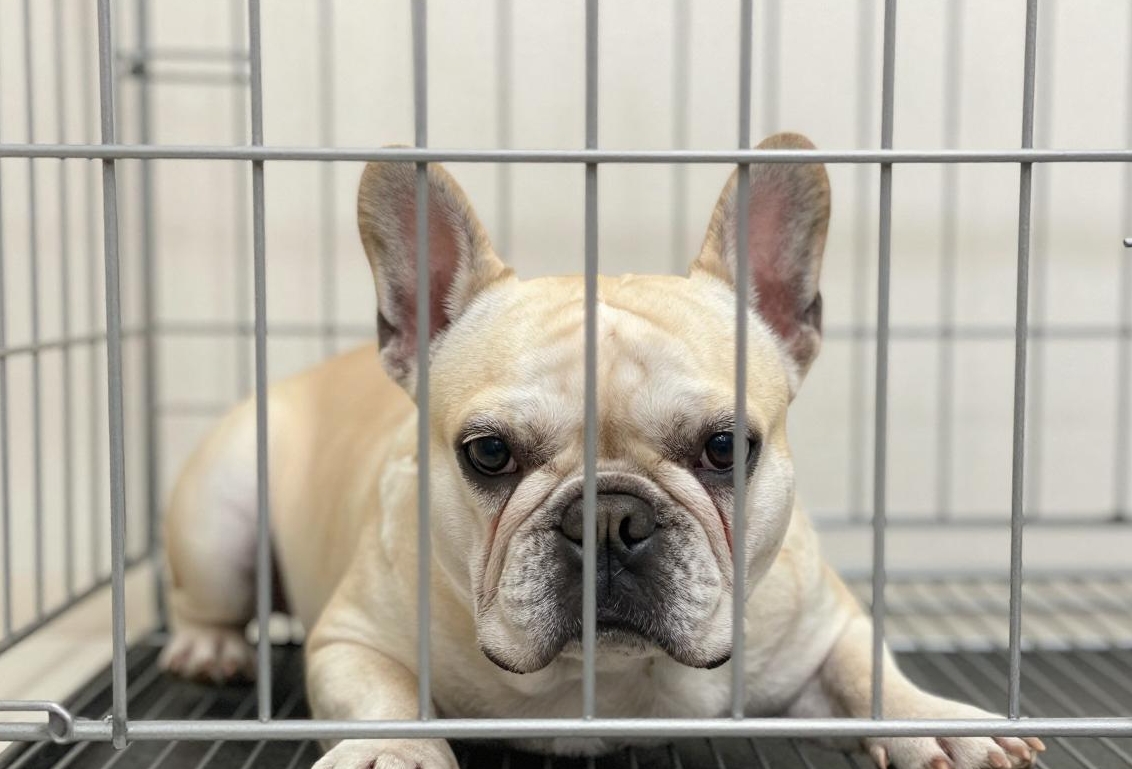
Many new French Bulldog owners are full of hope when bringing home their adorable little puppy, dreaming of a happy, friendly family member. Yet troublesome problems soon emerge: outdoors, the dog growls, barks nervously or tries to lunge at strangers and other dogs; when guests visit, it either hides trembling or jumps up excessively out of excitement; it darts under the bed terrified by vacuum cleaners or thunderstorms…… These issues usually stem from one overlooked critical stage — puppy socialization.
Why Is Your Frenchie Timid or Irritable?
French Bulldogs are beloved for their distinctive appearance and easygoing nature. What many people do not know is that the breed once served as working dogs during its development. They retain natural alertness and stubbornness. Without systematic, scientific socialization guidance in puppyhood, these traits easily swing to two extremes: excessive defensiveness driven by fear (shown as timid barking), or bluffing aggression out of uncertainty (displayed as irritable, confrontational behaviour).
More importantly, puppies have a critical socialization window, generally from 3 weeks to 16 weeks of age. During this period, their brains act like highly absorbent sponges, maximally receptive and adaptable to new stimuli. Once this window closes, correcting fear or distorted perceptions toward strangers, other dogs and loud noises becomes far harder and less effective. Therefore, socialization is not optional — it is mandatory for raising a mentally sound, stable French Bulldog.
An Actionable Puppy Socialization Checklist
This checklist is not a one-time task, but a progressive plan to carry out over weeks or even months after bringing your puppy home. The core rule: create positive new experiences while the puppy feels safe.
1. Diverse Environmental Exposure: Start Indoors, Then Explore the Wider World
Do not rush to take your puppy to noisy roads. The first socialization step is helping it feel secure and familiar with all elements within your home.
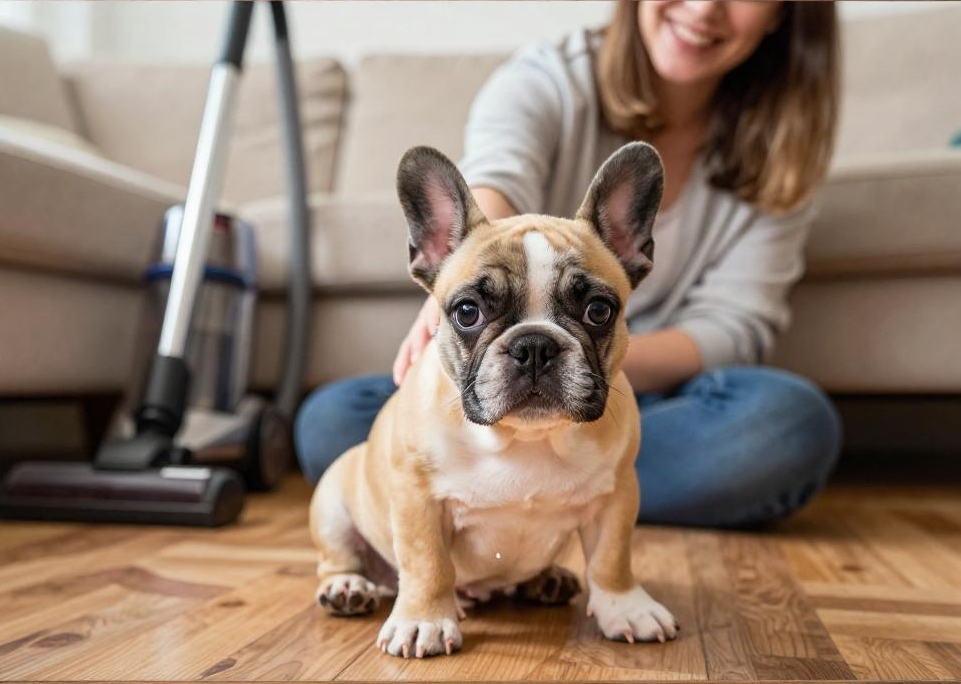
Real-World Case: I once met a 4-month-old French Bulldog named Tank who feared every moving object around the house — robot vacuums, rolling suitcases, even curtains blown by wind. The owner assumed he was naturally timid. My solution focused on positive association training. For example, when the robot vacuum turned on, we stood on the opposite side of the room, offered Tank’s favourite chicken treats and praised him cheerfully with “Good boy!”. Treats and praise stopped as soon as the vacuum shut off. After several days, Tank shifted from fear to curiosity, and would even run over expectantly whenever the vacuum started. The key is linking unfamiliar things with pleasant feelings: food, playtime and your positive mood.
Action Checklist:
- Let the puppy explore and adapt to different flooring: hardwood, tiles, carpet, polished wood, gravel (in secure outdoor zones).
- Get used to common household appliances: vacuum (stationary first, low speed, then normal volume), television audio, washing machine noise, hair dryer (start on low setting from far away).
- Introduce friendly strangers: invite visitors of varying ages, genders and appearances (wearing hats, raincoats, using walking canes). Ask guests to ignore the dog; you deliver treats as rewards.
2. Sound Desensitization Training: Raise a Calm Frenchie
French Bulldogs have sensitive hearing, and sudden loud sounds easily frighten them. Sound desensitization effectively prevents severe phobias toward thunder, fireworks and loud bangs in adulthood.
Real-World Case: I used desensitization audio apps for my own French Bulldog, Blue, when he was a puppy. While he ate meals or chewed his favourite toy, I played extremely quiet background audio of thunderstorms and car horns — quiet enough that he only twitched his ears without stopping eating. I increased the volume extremely gradually each day for nearly a month. Now during fireworks on New Year’s Eve, Blue merely glances toward the window before settling back down to sleep. The core principle is gradual progression; never raise volume to the point of triggering fearful reactions.
Action Checklist:
- Download audio of common fear triggers: thunderstorms, fireworks, doorbells, crying children.
- Play recordings at a very low volume while the puppy enjoys favourite activities: eating, playing toys or receiving pets.
- Reward calm behaviour with treats. If the puppy shows anxiety, immediately lower the volume or pause playback, revert to a comfortable intensity level.
3. Gentle Interactions With Humans & Other Dogs: Learn Social Etiquette
Once fully vaccinated and healthy, supervised contact with calm, fully vaccinated adult dogs and other puppies is the best way for your pup to learn canine communication.
Real-World Case: This stage is where most owners make mistakes. Many take puppies to dog parks and let crowds of dogs surround them, claiming it “builds courage”, yet this can lead to permanent psychological trauma. When coaching one client, I followed this approach: we selected a neutered female Golden Retriever known for her gentle, patient temperament as a “mentor dog”. The first meeting happened in a quiet neutral space (not either animal’s home). Both dogs were kept on leashes at a distance to sniff and observe each other. High-value treats were offered instantly when the Frenchie showed curiosity instead of fear. After multiple one-on-one positive encounters, the two became friends, and the young French Bulldog learned how to invite play and signal submission from his mentor. Remember: quality beats quantity. One bad encounter requires ten good experiences to offset.

Action Checklist:
- Join structured puppy socialization classes or host small, controlled puppy meetups.
- Always keep dogs leashed to adjust distance instantly if needed.
- Read canine body language: relaxed wagging tails and play bows are positive signals; stiff posture, tucked tails and growling mean interaction must stop right away.
- Arrange meetings with gentle dogs of different sizes and breeds.
4. Touch Desensitization: Lay Foundations for Daily Grooming & Care
French Bulldogs have numerous skin folds requiring regular cleaning, plus ears that need routine checks. If your dog resists being handled, daily care will turn into a stressful battle for both of you.
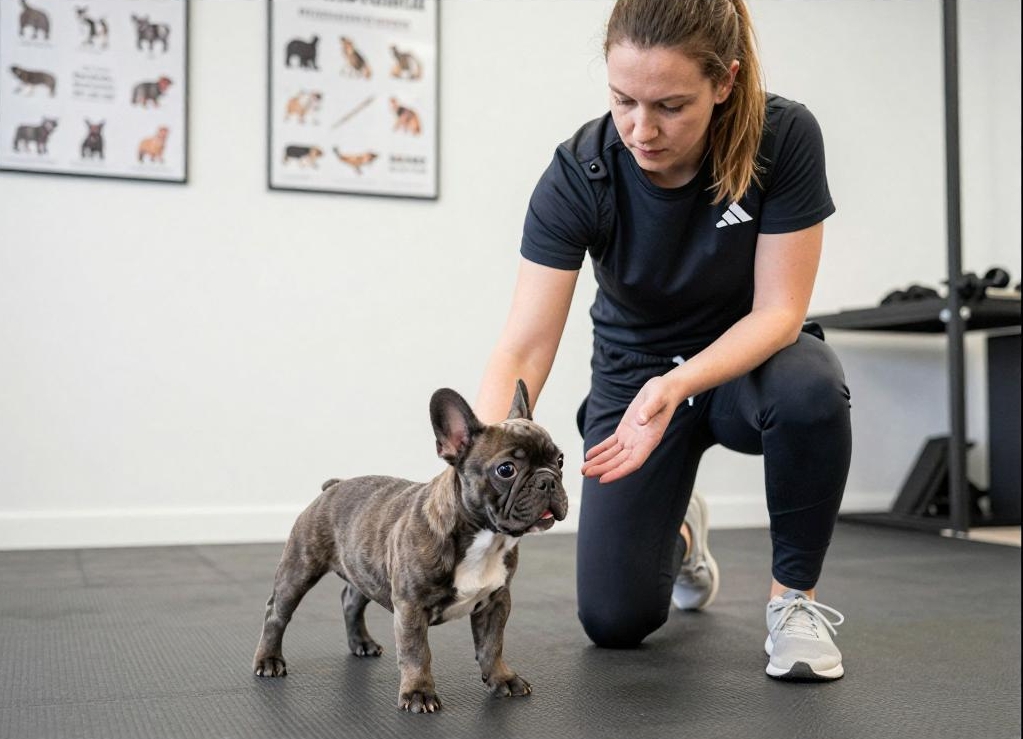
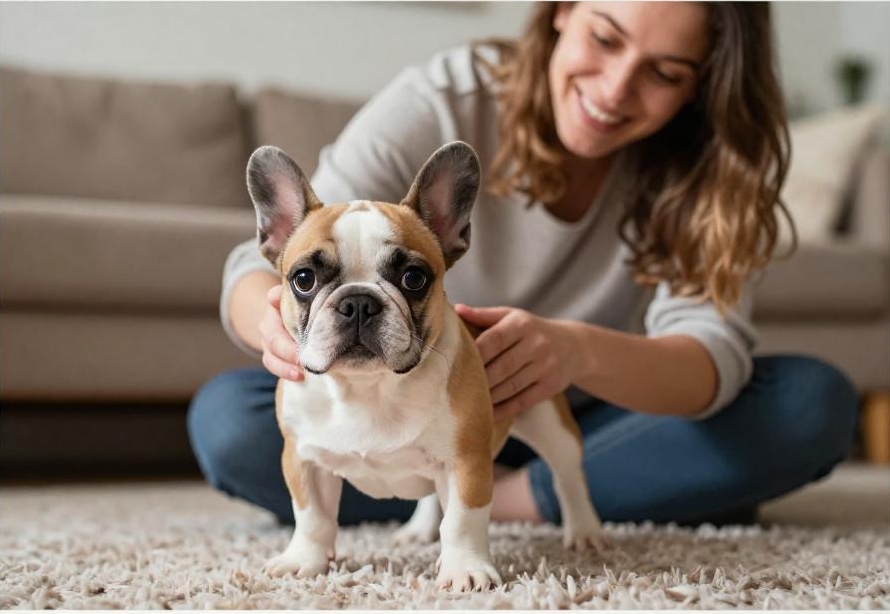
Real-World Case: Start “touch training” like a fun game from day one after bringing your puppy home. I spend a few minutes daily gently stroking Blue’s whole body while offering kibble. I pay special attention to sensitive zones: softly hold his paws, touch nails, lift ears for inspection, run fingers over teeth and gums, and lift his tail to check the anal area. Every touch pairs with positive reinforcement (treats and praise). As a result, he cooperates fully for fold cleaning, ear medication and nail trimming, knowing rewards follow — this has become routine.
Action Checklist:
- Run daily “touch inspection” games in order: head, ears, muzzle, paws, tail, belly.
- Simulate grooming actions: gently brush with a soft brush, wipe face and skin folds with damp cloths, briefly hold each paw.
- Keep sessions light and pleasant. Excited praise and treats should follow every moment the puppy tolerates handling.
Critical Mistakes to Avoid in Socialization Training
1. Do Not Rush Progress: Socialization means gradual exposure, not overwhelming bombardment. Forcing a scared puppy to approach feared stimuli (such as physically carrying it toward strangers) deepens fear — this traumatic exposure does far more harm than good.
2. Prioritize Your Dog’s Emotions Over Training Goals: Training revolves around how your dog feels. Low tail carriage, backing away, non-sleepy yawning and lip licking all signal stress. Your priority is moving back to a safe distance so it can calm down, instead of urging it to “be brave”.
3. Balance Vaccination Safety and Social Exposure: Avoid busy dog parks and pet store floors before completing the full vaccine series. You can carry your puppy to observe the outdoors from the sidewalk, or let it explore clean private lawns and interact with confirmed healthy dogs.
4. Never Punish Fearful Reactions: Scolding or yelling when your dog barks out of fear increases anxiety. It will associate strangers with your anger and develop more negative associations. The proper approach is distraction, then reward once it displays calm behaviour.
Summary: Invest in Socialization for a Lifetime of Companionship
Puppy socialization for French Bulldogs is the most important long-term investment you can make. The months of time and patience you dedicate will reward you with a companion dog that can calmly handle travel, guests and veterinary examinations for over a decade. It will live harmoniously with your family and bring joy rather than stress. A stable temperament is your Frenchie’s greatest treasure beyond its adorable appearance.
Important Reminder
Please note: the advice in this article covers preventive socialization for typical puppies. If you adopt a dog that has missed the critical socialization window and displays severe fear or aggressive behaviour (constant inability to relax, violent outbursts toward specific triggers, self-mutilation etc.), these may qualify as behavioural disorders. Do not attempt forced correction on your own, as it risks injury to humans or the dog. Seek support promptly from a licensed veterinary behaviourist or certified dog behaviour consultant. They can complete professional assessments and design custom behaviour modification programs. A dog’s mental health matters just as much as physical wellness.