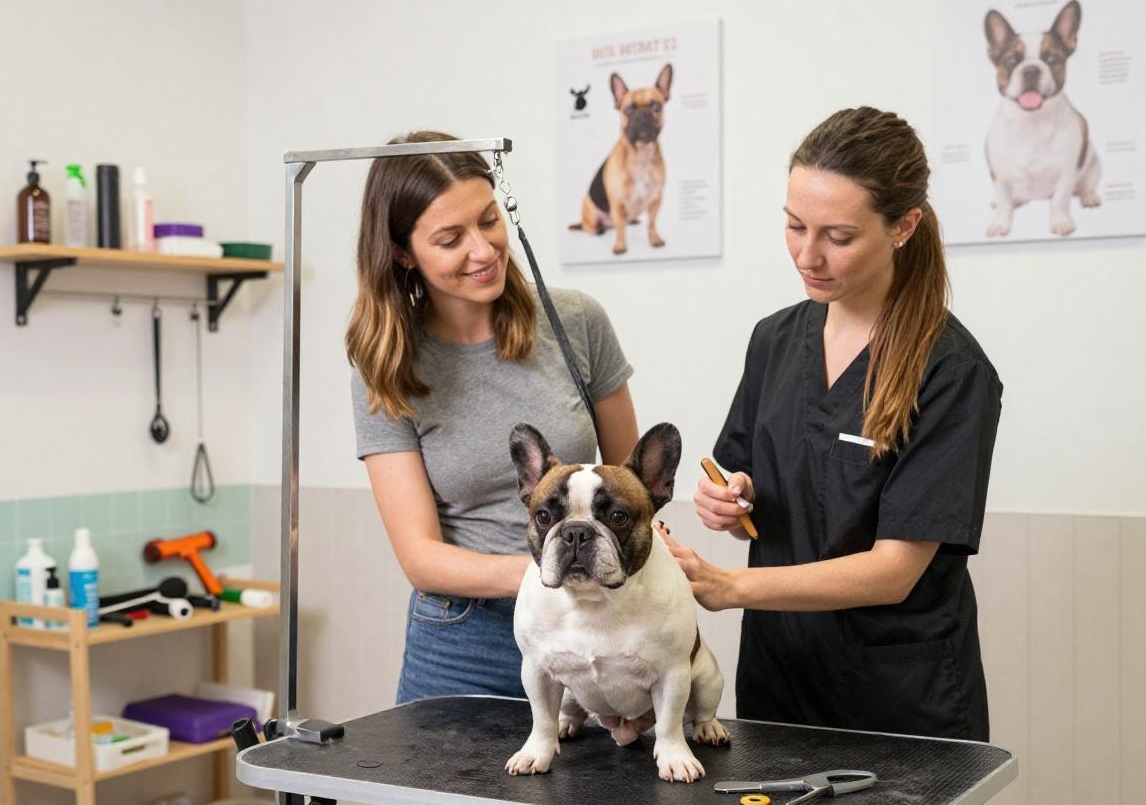
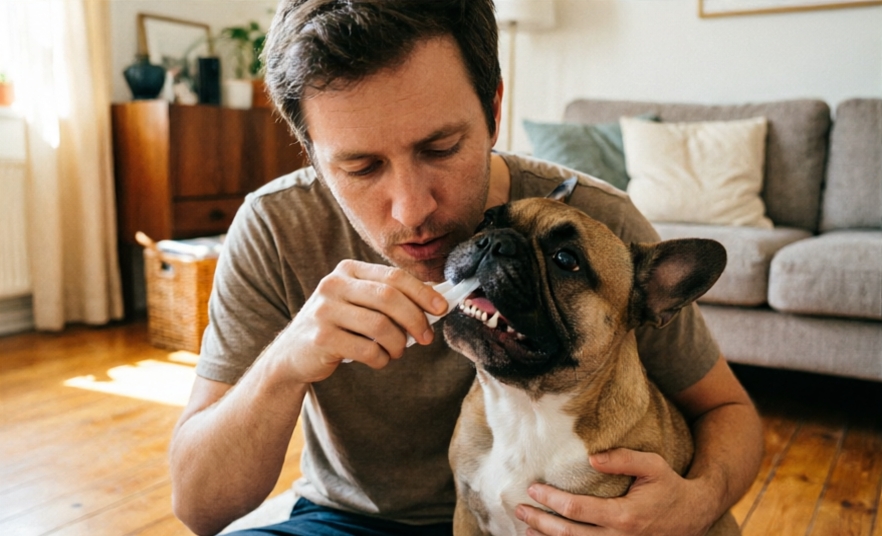
I often see worried French bulldog owners walk into the clinic and complain: “Doc, my dog’s skin folds are red and stinky again. Medications only work for a few days.” I feel sorry for both pets and owners. This is one of the most common health troubles for French bulldog keepers. Those cute‑looking facial and body skin folds, if improperly cared for, become ideal breeding grounds for bacteria, fungi and Malassezia. This triggers recurring dermatitis, foul smells and even systemic skin conditions. Drawing on ten years of clinical cases, I will systematically explain how scientific deep‑fold cleaning with proper mistake‑avoidance can reliably protect your French bulldog’s delicate skin.
Why Do French Bulldog Skin Folds Cause So Many Problems?
To solve the issue, you must understand its roots. Skin‑fold troubles in French bulldogs come from multiple overlapping factors:
1. Innate Physical Structure: French bulldogs are brachycephalic breeds with loose skin. Nasal folds, forehead folds, neck folds and tail‑base folds form closed, damp micro‑environments with poor airflow. Sweat, tear secretions, saliva, dust and food debris easily get trapped inside.
2. Fragile Skin Barrier: Skin inside folds is thinner and more sensitive than other body areas. Constant dampness and friction damage the natural sebum protective film, weaken the skin barrier and lower local resistance.
3. Microbial Overgrowth: Warm, moist environments loaded with skin debris and secretions are perfect for reproduction of bacteria such as Staphylococcus and yeast including Malassezia. Once microbial balance breaks down, inflammation and bad odors follow. That typical “French bulldog smell” largely comes from microbial metabolic by‑products.
4. Owner‑Caused Care Mistakes: Many owners either under‑clean or over‑clean. Some only wipe surfaces roughly with wet towels while dirt stays trapped deep inside folds. Others use harsh human facial cleansers, soap or alcohol‑infused wipes, disrupting skin pH and making conditions far worse.
Five Practical Deep‑Cleaning Solutions
Effective care must be gentle, thorough and preserve healthy skin micro‑environment. Below are five core procedures summarized from real‑world practice.
Solution 1: Pick Proper Supplies — Gentle Professional Cleaners
Core Principle: Ditch human‑grade products and plain water. Choose pH‑balanced, pet‑specific cleaning supplies.
Practical Experience & Details: I once recommended diluted baby shampoo for owners, yet later found even mild human‑formulated items have an acidic pH, mismatched to dogs’ slightly‑neutral‑to‑alkaline skin. Long‑term use damages skin barriers. One memorable client owned a French bulldog named Doubao suffering recurring red swollen folds. The issue stemmed from using premium human facial foam on her dog. Symptoms improved greatly after discontinuing that product and switching to pet‑safe alternatives.
Step‑by‑Step Preparation:
1. Hypoallergenic pet‑specific skin cleanser or fold‑cleaning foam: Select simple‑formula, fragrance‑free, alcohol‑free products. Formulas with gentle antibacterial agents such as chlorhexidine or soothing ingredients like oatmeal and aloe vera are preferred.
2. Microfiber soft cloth or medical‑grade cotton balls: Soft, lint‑free material reduces friction damage.
3. Pet‑safe skin ointment or moisturizing gel without zinc oxide: For post‑cleaning moisturization and barrier protection. Thick zinc‑oxide ointments may clog pores.
Solution 2: Follow Standard Thorough Cleaning Workflow
Core Principle: Reach the bottom of every skin fold instead of only wiping outer surfaces.
Practical Experience & Details: I often demonstrate live inside my clinic. Many owners are surprised to see reddish‑brown dirt hidden deep inside gently parted skin folds. Always keep movements gentle; French bulldog skin is very delicate.
Operating Steps:
1. Restrain & Comfort: Keep your dog relaxed; ask family members to hold it gently. Offer treats before cleaning to build positive associations.
2. Moisten & Apply: Spray cleanser onto cotton balls or soft cloths until damp but not dripping. Gently pull one fold open. Press the damp cotton pad against folded skin and roll slowly from one end to the other to lift dirt. Do not scrub back‑and‑forth hard.
3. Clean Fold‑by‑Fold: One fold usually requires 2‑3 fresh cotton balls for full cleaning. Replace cotton supplies for each area to avoid cross‑contamination. Recommended order: start from relatively clean eye surroundings, then nasal folds, forehead folds, lastly neck and tail‑base folds.
4. Rinse & Dry (Critical Step!): If you use rinse‑required cleansers, wipe off all residual cleanser thoroughly with another damp wrung‑out soft cloth. Finally use a brand‑new dry microfiber cloth or medical gauze to blot‑press all moisture out of folds. Remember, drying matters more than cleaning! Dampness is the main trigger for skin problems.
Solution 3: Post‑Cleaning Skin Repair & Barrier Protection
Core Principle: Build a protective layer over clean skin.
Practical Experience & Details: Skin barriers stay temporarily fragile right after cleaning. Direct exposure raises reinfection risk. One French bulldog patient received good cleaning routines, yet folds turned red again within hours. The root cause was missing the barrier‑protection step. After adding skin ointment, the problem was resolved.
Operating Steps: Once folded skin is 100 % dry, take a tiny amount of pet‑specific ointment or gel using clean fingertips or cotton swabs, apply a thin layer onto inner fold skin. This protective film keeps skin moisturized, blocks saliva, tear secretions and external contaminants, and maintains healthy skin micro‑flora. Always apply thinly; heavy layers trap moisture against skin.
Solution 4: Set Reasonable Cleaning Frequency
Core Principle: Adjust routines according to each individual dog.
Practical Experience & Details: There is no universal fixed schedule. For healthy French bulldogs with no prior skin issues: inspect and clean once daily in hot or humid seasons; every 2‑3 days in autumn and winter. Dogs with prior skin troubles, deep folds, heavy tear‑stains or excessive drooling need daily cleaning, sometimes twice per day (morning and evening). Watch for warning signs: slight dampness or faint odor means it is time to clean.
Solution 5: Optimize Surroundings & Daily Habits
Core Principle: Reduce dirt and dampness at the source.
Operating Steps:
1. Bowl Selection: Use tall‑narrow water bowls or floating water bowls to stop full‑chin submersion during drinking and lower chances of wet neck folds.
2. Post‑meal Cleaning: Inspect and clean muzzle and chin folds right after wet food or treats to remove leftover food debris.
3. Dehumidify Living Space: Run dehumidifiers during damp rainy seasons to keep indoor air dry.
4. Routine Health Checks: Check skin folds during daily interaction, catch issues early and intervene promptly.
Critical Mistakes You Must Avoid
1. Mistake 1: Human wet wipes, alcohol pads or strong disinfectants. These are highly irritating, may burn skin and destroy skin barriers — strictly forbidden.
2. Mistake 2: Superficial lazy wiping. This is the most frequent error. Dirt deep inside folds is what triggers inflammation.
3. Mistake 3: Skipping thorough drying after cleaning. Any leftover moisture renders cleaning useless and worsens conditions.
4. Mistake 4: Baby powder or cornstarch. Powders clump when wet, act as bacterial growth media, clog pores and aggravate skin damage.
5. Mistake 5: Randomly applying ointments when problems appear. Bacterial and fungal dermatitis require totally different medications. Human hormone ointments may bring short‑term relief yet mask underlying illness and complicate later treatment. Always get a definite diagnosis first.
Summary
Protecting French bulldog skin health demands persistence and attention to fine details. Core logic: Gently and thoroughly remove dirt and excess microbes via physical cleaning; achieve unfavorable conditions for pathogen reproduction through full drying plus moisturizing barrier protection. Integrate this fold‑cleaning routine into daily grooming. You can break vicious cycles of skin disorders, free your French bulldog from bad odors and itching, and let it enjoy comfortable daily life.
Important Reminder
Home‑based care works for prevention and mild‑condition maintenance. Immediately stop self‑treatment and visit your vet if any of the following occurs:
1. Skin shows large‑area redness, ulceration, pus discharge or bleeding.
2. Your dog suffers severe itching (constant scratching, face‑rubbing), pain, reduced appetite or low energy.
3. Symptoms keep worsening or show zero improvement within one week even with correct care routines.
4. Skin lesions spread out of folds onto other smooth body areas.
Professional veterinarians perform skin scrapings and cytology tests to identify exact infection types (bacterial, fungal, mite or mixed infections), and prescribe targeted medications such as antibiotics, antifungal drugs or medicated shampoos. Timely professional intervention prevents minor issues from turning into stubborn chronic skin diseases. Remember: you are your dog’s primary observer, and your veterinarian is your most reliable partner.