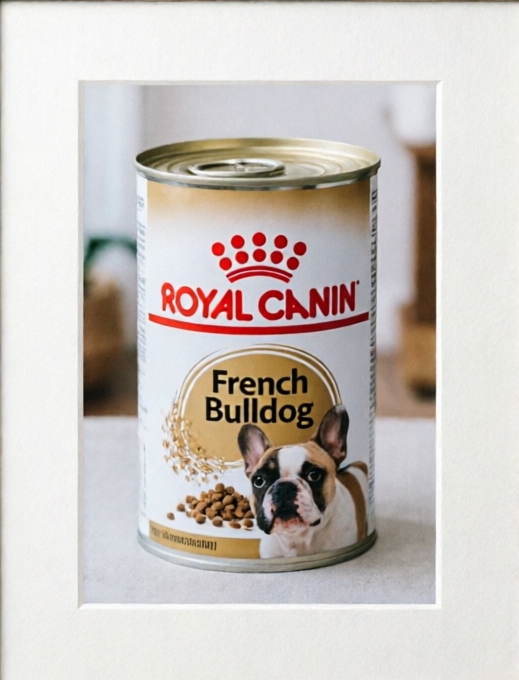
Recently in‑clinic and within pet‑owner communities, many French Bulldog owners come to me worried: “Doctor, my dog cannot finish an entire can of wet complete‑diet food in one meal. I put leftovers in the fridge, yet it smells slightly sour the next day. Is it still safe to feed?” Or: “I fear improperly stored opened cans will give my dog diarrhoea, but I hate wasting food.” I fully understand owners’ concern over their pets’ food safety. French Bulldogs naturally have sensitive gastrointestinal tracts; minor feeding missteps easily trigger loose stools, vomiting or even gastroenteritis. Proper storage of opened wet food to keep every bite fresh and safe is essential knowledge for every French Bulldog owner.
Why Does Opened Wet Food Spoil So Quickly?
To solve the problem, identify its root cause. Unopened complete‑diet cans and wet‑food pouches maintain commercial sterility. Once opened, this sterile barrier is broken. Airborne bacteria and mould spores immediately contaminate the food. Rich in protein and moisture, wet food creates ideal conditions for microbial reproduction. Microbes multiply exponentially at room temperature. Sour odours or subtle shifts in colour and texture signal bacterial metabolites or early‑stage spoilage. For French Bulldogs with fragile digestion, eating spoiled food carries obvious risks.
Practical Veterinary Advice: Three Ways to Extend Wet‑Food Freshness
Through years caring for French Bulldogs and advising owners, I have tested highly effective strategies rooted in food‑science principles and validated long‑term by many pet‑owning households.
Method 1: Immediate Transfer and Sealed Refrigeration — Fundamental and Critical
This is the most vital step, yet many owners execute it incorrectly. One client’s French Bulldog suffered recurring diarrhoea. Investigation revealed he stored leftover food inside the original opened metal can inside the fridge. Opening scratches the inner metal lining, exposing base metal that oxidises and encourages bacterial growth inside humid refrigerator environments.
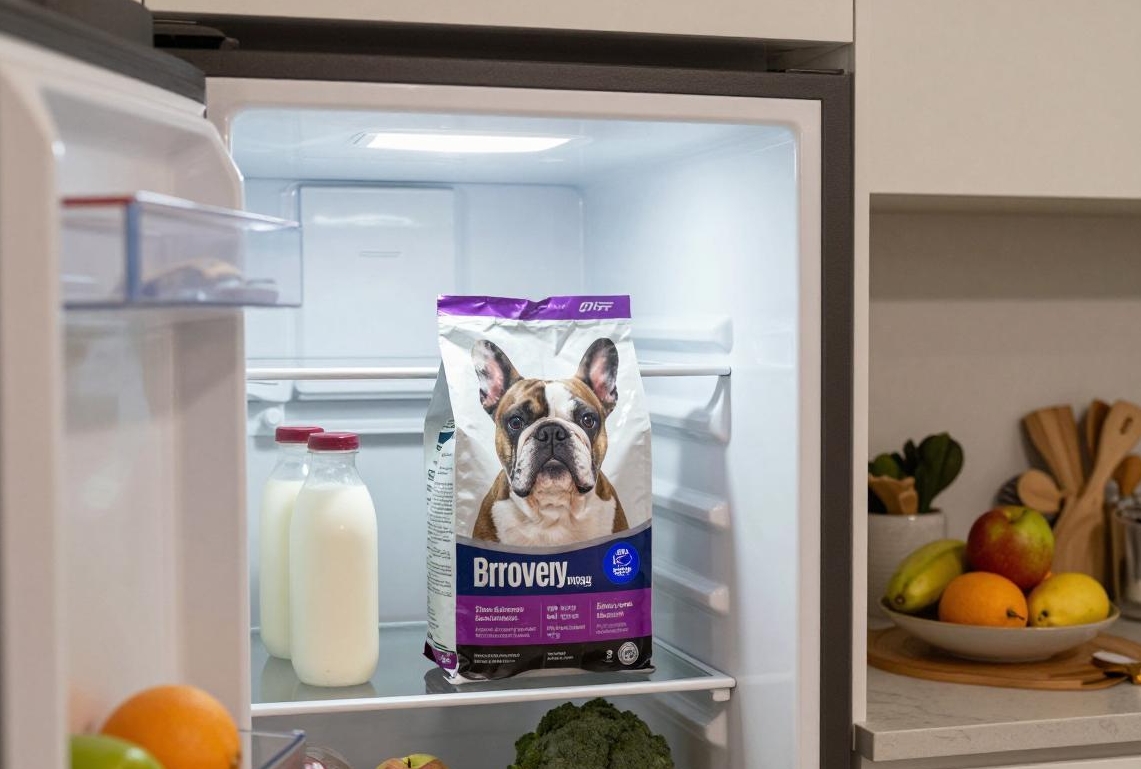
Practical procedure: No matter how much food remains after opening, scoop all leftovers promptly into dedicated lidded glass or ceramic food‑storage containers. Glass and ceramic are chemically stable and resist odour retention and bacterial build‑up. Fasten lids tightly for reliable sealing and place straight into refrigerator (4°C or below). This minimises air exposure and cross‑contamination from other fridge contents. Properly refrigerated wet food stays safe for 48‑72 hours. I follow this routine for my own dogs and in‑clinic hospitalised pets with zero adverse outcomes.
Method 2: Small‑Portion Freezing — Ideal for Light Eaters or Large‑Size Cans
Some French Bulldogs eat very little and only consume one‑quarter of a large can per meal. Larger wet‑food packages create similar challenges. Repeated opening of one storage container introduces temperature spikes and new bacteria, accelerating spoilage.
Solution: Use silicone ice‑cube trays or mini storage containers for portioning. For example, for a 400 g can where your dog eats 100 g per serving: after opening, use a clean spoon to divide wet food into four separate silicone‑tray compartments, each holding one serving. Place trays directly in the freezer (−18°C) for fast freezing. To serve, move one portion from freezer to refrigerator overnight or several hours ahead to thaw. Before feeding, gently warm the portion in lukewarm water to room temperature (do not microwave; uneven heating can burn your dog or degrade nutrients). Freezing drastically suppresses microbial growth and extends storage life to 1‑2 months. I strongly recommend this method for French Bulldog households with small‑appetite dogs or those requiring precise portion control.
Method 3: Vacuum Sealing for Maximum Freshness
For detail‑focused households or dogs with extremely sensitive digestion, upgrade your storage setup. I keep a compact home vacuum sealer for my own pets.
Operating tips: Place leftover wet food into dedicated vacuum‑seal bags or vacuum‑compatible storage containers. Use the machine to remove most air. In near‑anaerobic conditions, spoilage‑causing aerobic bacteria struggle to survive. Vacuum‑refrigerated wet food retains better freshness and safety compared with conventional sealed storage and theoretically extends safe storage time. Note that even under vacuum, refrigerated food should be consumed within 3 days, because anaerobic bacteria may still persist.
Pitfall‑Avoidance Guide: Practices That Speed Up Spoilage
Beware these widespread wet‑food‑storage mistakes:
1. Refrigerate inside original metal can: As described above, this practice is strongly discouraged. Metal cans corrode easily and feature sharp opened edges creating safety hazards.
2. Prolonged room‑temperature exposure: Do not leave opened cans out expecting your dog will return to eat within a couple hours. Discard wet food left at room temperature for more than one hour during hot summer weather.
3. Refreezing thawed portions: Portion‑freezing exists so you thaw only one serving at a time. Never refreeze uneaten thawed food; freeze‑thaw cycles damage food cellular structure and accelerate bacterial proliferation. Throw away any uneaten thawed portions.
4. Only cover with plastic wrap: Plastic wrap delivers inadequate sealing. It works only for temporary short‑term covering before refrigeration and cannot serve as primary food‑storage protection.
5. Rely solely on smell checks: Human sense of smell is not infallible. Certain bacterial toxins are odourless and colourless. Once recommended storage duration expires, discard wet food even if it smells fine to protect your French Bulldog’s delicate digestive system.
Summary
Protecting a French Bulldog’s digestive health starts with fresh, safe meals for every feeding. Proper storage of opened wet food seems trivial yet plays a key role in disease prevention and wellness. Remember core principles: transfer quickly, seal tightly, store cold, feed promptly. Choose a workflow matching your household routine: regular refrigeration, portion freezing or vacuum sealing. Steer clear of common storage errors, and your French Bulldog can enjoy the flavour and nutrition of wet food while avoiding gastrointestinal upset.
Important Reminder
This article describes household storage guidance for preventing wet‑food‑related issues. If your French Bulldog develops persistent vomiting, severe diarrhoea (especially bloody or watery stools), lethargy or complete loss of appetite even after eating correctly stored food, do not self‑medicate or delay care. Symptoms may signal food intolerance, acute gastroenteritis or other serious illness. Immediately consult your trusted veterinarian or visit an animal hospital, bringing the dog and original food packaging if possible, for professional diagnosis and treatment. Timely veterinary care is the most responsible choice for your pet’s wellbeing.