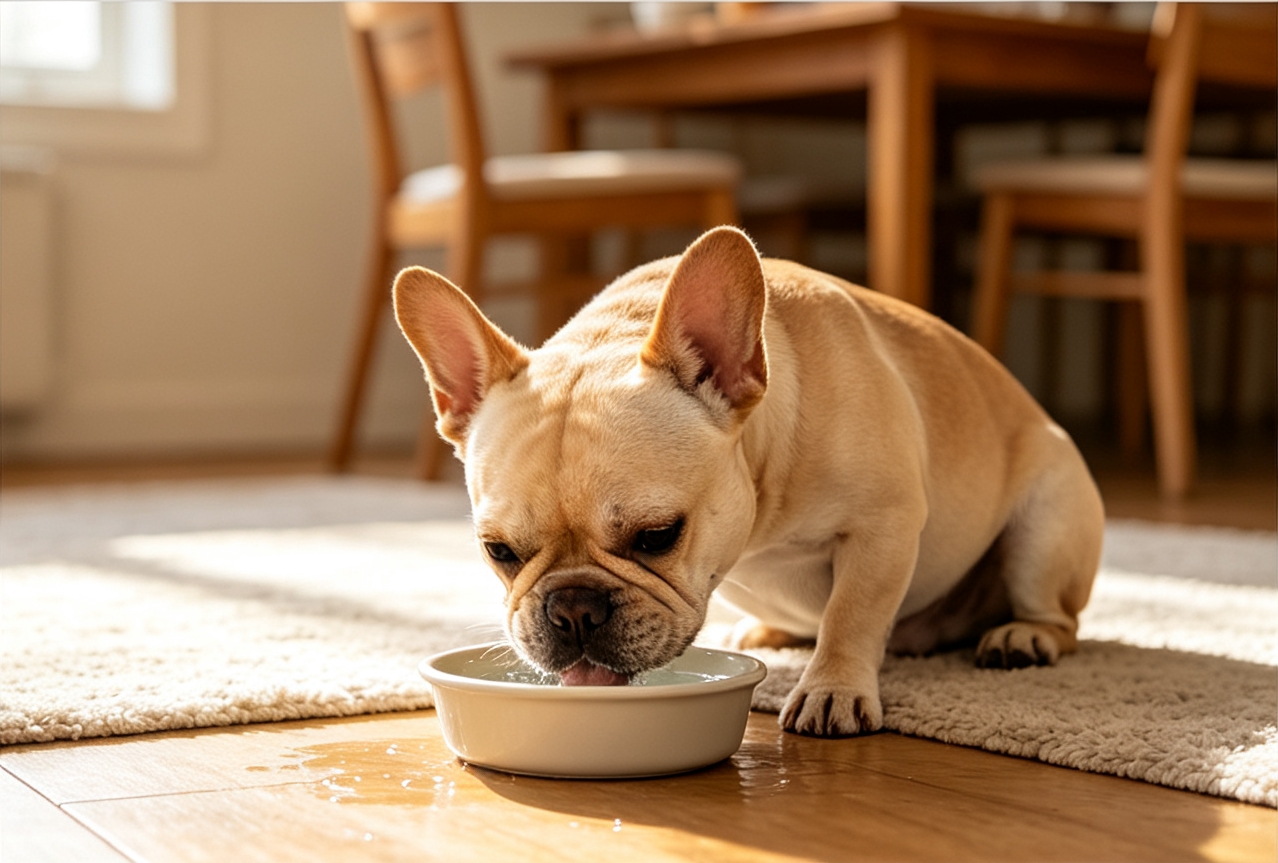
Hello everyone. Over the past decade, working as both a veterinarian and dog trainer, I have met countless lovely French bulldogs and their owners. I have noticed nearly every French bulldog owner faces this sweet dilemma: treats. Those begging puppy eyes are hard to resist, yet over‑feeding may trigger picky eating, obesity, poor training outcomes and even health risks. Today let’s talk about treats. They are far more than simple rewards. When used correctly, they become powerful helpers for dog training; misused, they may backfire despite good intentions.
Why French Bulldogs Require Extra Care With Treats
French bulldogs are compact, muscular yet highly obesity‑prone dogs. They are naturally food‑motivated while carrying unique physiological traits:
1. Obesity‑prone physique and joint stress: Their skeletal structure cannot bear excess body weight. Excess calorie intake quickly causes obesity, which further burdens hip joints, spine and their brachycephalic respiratory tract.
2. Sensitive gastrointestinal tract: Many French bulldogs have fragile digestion. Greasy, complex‑formula artificial treats loaded with additives easily trigger soft stools, diarrhoea and even pancreatitis.
3. High‑motivation needs during training: French bulldogs can be stubborn. Appropriately chosen high‑value treats greatly boost their enthusiasm and focus for faster‑progress training.
4. Skin issues: Some French bulldogs suffer from skin allergies. Certain treat ingredients such as grains, artificial colours and preservatives are potential allergens.
Therefore random treat‑feeding brings far more risks than joy for French bulldogs. Our goal is to make treats instrumental and functional.
Practical Experience: 5 Ways to Turn Treats Into Powerful Training Tools
The following methods have been repeatedly validated in my clinical and training work, hoping to bring you inspiration.
Solution 1: Build a Treat‑Value Ranking System
This is my first training step for all dogs, especially French bulldogs. Not all treats are equal!
Practical case: I once trained a French bulldog named "Tank" with extremely poor recall response. Regular kibble got zero reaction from him. I set up value tiers:
‑ Low‑value treats: daily dry kibble. For casual interaction and reinforcing simple commands.
‑ Medium‑value treats: small steamed chicken‑breast cubes, freeze‑dried cod chunks. For moderate‑difficulty training such as "wait" and "come" in low‑distraction surroundings.
‑ High‑value treats: tiny cheese bits (control portion size), dried liver nibbles. Reserved for challenging scenarios: recall around other dogs in parks or learning brand‑new skills.
When I pulled out dried liver nibbles, "Tank" lit up. His recall success rate jumped from 30 % to 90 %. Remember: Higher task difficulty and stronger distractions call for higher‑value rewards.
Solution 2: Chop Treats Into Tiny Pieces for Frequent Rewards
For French bulldog training, especially puppies, you need fast, clear links between behaviour and reward. Large‑sized treats cause weight gain and disrupt training rhythm.
My practice: No matter how premium the treat is, I cut them into mung‑bean to soybean‑sized bits. One fingernail‑sized chicken‑breast piece can yield 10‑20 tiny nibbles. Benefits include:
1. You can deliver many rewards per training session and keep the dog highly motivated.
2. Total calorie intake stays controllable with no over‑feeding risk.
3. Fast swallowing prevents training interruptions caused by lengthy chewing.
I often tell owners: "We reward behaviours, not big meals. Let your dog think ‘I get rewarded for doing it’, not ‘Finally I get to gorge myself’."
Solution 3: Pick Functional Healthy Treats for Multiple Benefits
When selecting treats, I prioritise options bringing extra health perks for French bulldogs.
Recommendations & rationales:
‑ Freeze‑dried meat nibbles / cod chunks: single‑source protein, low‑allergy, high‑protein low‑fat, ideal training treats.
‑ Dried beef trachea, kangaroo tendons: firm texture satisfies chewing urges, cleans teeth and burns energy. Always feed under owner supervision to avoid choking or swallowing large chunks.
‑ Sweet‑potato strips, freeze‑dried pumpkin: rich in dietary fibre, gut‑friendly, great low‑calorie filler treats.
‑ Dental chews: choose VOHC‑approved products. They reduce plaque while your dog enjoys chewing.
Solution 4: Specialised Attention & Impulse‑Control Training Using Treats
French bulldogs get excited and distracted easily. Treats work great for building self‑control.
Classic games I designed:
1. "Palm Feast": Place several low‑value treats inside your closed fist. Your French bulldog will sniff and lick. Reward immediately by opening your palm and saying "Yes!" only when it stops licking, steps back or makes eye contact with you. This practice greatly improves focus on you.
2. "Wait Challenge": Ask your French bulldog to sit. Hold one treat near its nose or paws and give the clear cue "wait". Start with a 1‑second wait, then say "ok" and let it eat. Gradually extend waiting duration. It effectively builds patience and command obedience.
Solution 5: Factor Daily Treat Allowance Into Total Calorie Budget
This is the core of weight management!
Simplified calculation rule: Estimate your dog’s total daily calorie requirement based on body weight and activity level. Generally speaking, treat‑derived calories must not exceed 10 % of total daily calorie intake.
Implementation: Every morning, according to today’s training schedule, set aside kibble equivalent to 10 % of daily calories and replace it with equal‑calorie higher‑value training treats. For example: if you have a training session ahead, reduce kibble portions and prepare extra chicken‑breast nibbles. Training effectiveness is preserved without exceeding total calorie limits.
Pitfall‑Avoidance Guide: Treat‑Related Mistakes You Must Avoid
1. Strictly ban human snacks: Chocolate, grapes, onions and xylitol (found in chewing gum and some peanut butter) are highly toxic to dogs. High‑salt, high‑sugar and fried foods harm French bulldog health.
2. Beware of unbranded treats and overly long ingredient lists: Choose reputable brands with transparent ingredient panels. Avoid products where grains, sugar or unintelligible chemical terms dominate the top ingredients.
3. Avoid overly hard or sharp‑edged treats: French bulldogs have strong bite force yet risk tooth fracture. Never feed cooked bones (especially poultry bones) or ultra‑hard synthetic chews.
4. Wrong‑timed rewards: Do not give treats while your dog barks or jumps up. This reinforces unwanted behaviours. Reward instantly only after it performs your desired correct behaviour.
5. Do not overindulge: No matter how pitiful its eyes look, stick to your daily treat quota. Its health is your responsibility.
Summary
When dealing with French bulldog treats, shift your mindset from casual indulgence to well‑planned strategy. Through value‑based treat ranking, bite‑sized portions, functional treat selection, targeted training and strict calorie control, you can turn small treats into powerful tools for shaping good behaviour and strengthening trust and bonding between you and your dog. Remember: science‑based love lasts the longest.
Important Reminder
The advice shared applies to generally healthy French bulldogs. If you spot abnormal picky eating, vomiting, diarrhoea, skin redness, drastic weight shifts or any behavioural changes in your dog, halt current feeding and training routines immediately and consult a professional veterinarian or certified dog trainer as soon as possible. Every dog is an individual with potential hidden health issues; professional diagnosis and personalised guidance are critical.