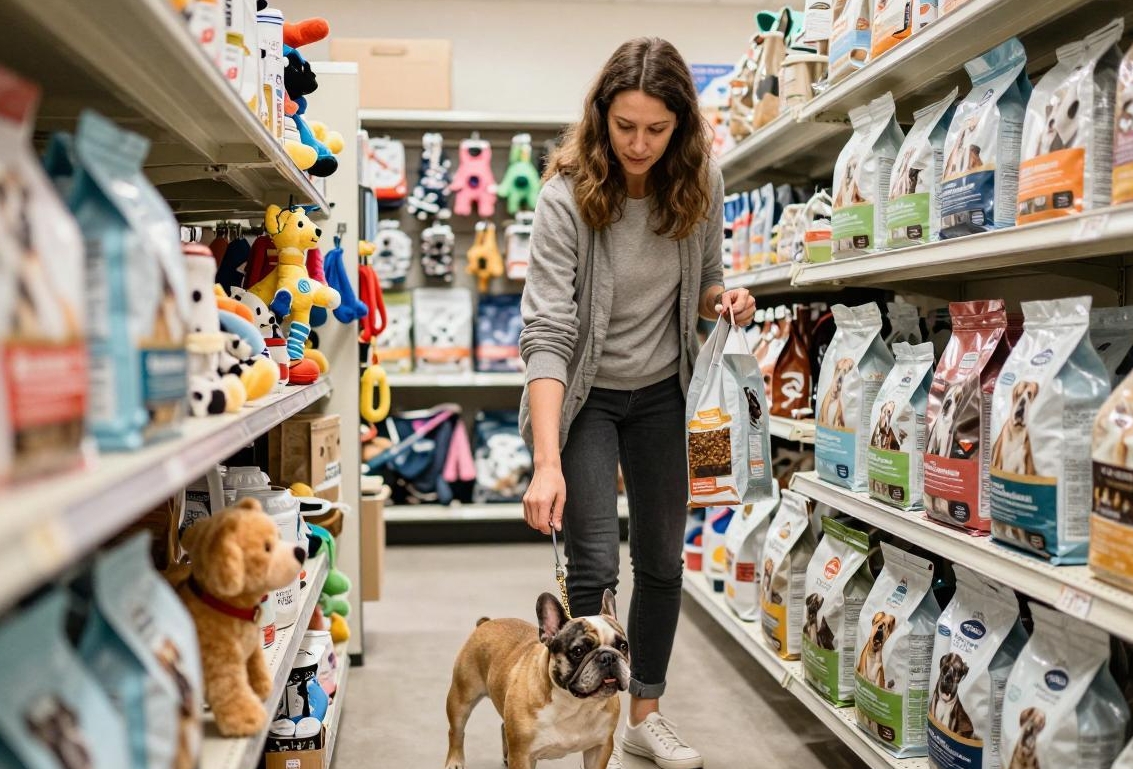
Every winter, many French bulldog owners ask me the same questions: "Doc, my dog keeps curling up in its bed and lacks energy. Is it sick?" "It seems extremely cold‑sensitive; it shivers after short outdoor walks and is prone to diarrhoea." Seeing these lovely companions shivering in cold wind or becoming listless from gastrointestinal upset, I fully understand owners’ worries. With their brachycephalic muzzles, single‑layer coats and relatively sensitive digestion, French bulldogs face notable health challenges in winter. Drawing on ten‑years of clinical cases involving French bulldogs, I will dive into how science‑backed warm feeding can build internal‑to‑external cold‑resistance defences for them.
Why Are French Bulldogs Especially Sensitive to Cold?
To solve the problem, we must first understand root causes. Winter vulnerability in French bulldogs mainly stems from their physical physiology.
First, insufficient coat insulation: Unlike Arctic‑adapted breeds such as Alaskan Malamutes and Samoyeds with thick double coats, French bulldogs carry short, smooth single‑layer fur. This "outerwear" works well in summer yet becomes a natural thermal disadvantage in winter. It cannot effectively block cold air or trap insulating air pockets beneath fur like double‑coated breeds.
Second, respiratory traits of brachycephalic dogs: French bulldogs are short‑nosed breeds with shortened nasal cavities and airways. In cold dry air, inhaled cold air is inadequately warmed and humidified, directly irritating respiratory tracts, triggering coughs and increasing respiratory strain. This explains why they tend to pant and feel unwell more easily during winter walks.
Last and frequently overlooked: elevated energy consumption plus gastrointestinal sensitivity. To maintain body temperature, the body burns extra calories, raising basal metabolic rate in winter. If dietary energy fails to match expenditure, dogs grow cold and weak. Meanwhile low temperature slows gut motility and blood circulation, making the already‑fragile digestive system of French bulldogs prone to loose stools, diarrhoea and indigestion. Therefore winter feeding is far more than simply increasing portion sizes; it calls for targeted warming and nourishing strategies.
Five Core Feeding Strategies for Internal Warmth
Based on above observations, I have summarised five field‑tested feeding‑adjustment protocols for clear practical reference.
Strategy 1: Optimise Staple Diet to Raise Energy Density
The primary winter‑feeding principle is moderately lifting food energy density rather than merely increasing feeding volume, which would overburden digestion. Fine‑tune on top of high‑quality regular kibble.
Real‑world case: I treated an adult French bulldog named Doubao whose owner reported winter weight loss and persistent low energy. Medical work‑ups ruled out illness; insufficient caloric intake was the root cause. I advised adding roughly one spoon (5‑10 g) of cooked minced chicken or beef to each kibble meal, alternatively raising kibble quantity by 10‑15 %. Within two weeks, Doubao regained stable body weight and noticeably higher activity levels. The adjustment focuses on supplying premium animal protein and fat, efficient energy sources. Make changes gradually and monitor faecal quality; firm, well‑formed stools are the target benchmark.
Strategy 2: Use Mild Warming‑Effect Ingredients for Gentle Nourishment
Traditional wisdom advocates winter tonic supplementation. For dogs, certain mild ingredients deliver comparable benefits. Below are safe, effective options:
1. Pumpkin: Rich in dietary fibre and beta‑carotene. Steam and mash; mix one small spoon into kibble 2‑3 times weekly. It delivers extra vitamins and its gentle fibre supports gut health, particularly helpful for French bulldogs prone to winter loose stools.
2. Sweet potato / purple sweet potato: Excellent complex‑carbohydrate source for sustained energy. Steam thoroughly and peel before adding in small portions as supplementary food.
3. Ginger (extremely tiny dosage only): Handle this ingredient with extra caution. Drop one fresh ginger slice into simmering chicken or bone broth (feed broth only, do not serve ginger pieces), leveraging its warming properties. Alternatively add one drop of ginger juice into drinking water. Use minimal quantity and watch for adverse reactions.
Real‑world case: For French bulldogs with mild cough or clear nasal discharge after early‑morning winter walks, I recommend mixing a little pumpkin purée plus de‑oiled warm chicken broth into breakfast. Outcomes are often gentler and longer‑lasting than medication alone.
Strategy 3: Supplement Key Nutrients to Reinforce Immunity
Winter brings high risks of respiratory infections and skin disorders, making immune‑system reinforcement essential. Beyond balanced staple food, pay attention to these supplements:
Omega‑3 fatty acids: Sourced from pet‑grade deep‑sea fish oil or krill oil. Potent anti‑inflammatory properties support skin health (preventing winter‑dry dermatitis), alongside cardiovascular and brain function. Dose according to body weight and mix into meals.
Vitamin E: Powerful antioxidant that works synergistically with Omega‑3 to protect cell membranes. Premium commercial kibble usually contains added Vitamin E. If extra fish oil is supplemented, consult your vet whether additional Vitamin E is required.
I often tell owners to regard these supplements as a dog’s internal winter protective barrier to raise overall resistance.
Strategy 4: Adjust Feeding Routine and Drinking‑Water Management
Small details matter for winter feeding, including food temperature and delivery methods.
Warm‑water soaked kibble: For gastrointestinal‑sensitive, young or senior French bulldogs, soak dry kibble in water no hotter than 40 °C before serving. This lowers chewing effort, delivers warm meals for comfort and improves digestibility. Serve soaked food promptly to avoid bacterial growth.
Constant access to warm clean water: Cold water irritates digestion and forces the body to expend calories heating ingested fluid. Use a pet thermostatic water fountain or refresh warm water frequently.
Split meals into smaller frequent portions: Divide daily food intake into three or even four servings to ease single‑meal digestive load and stabilise energy supply, especially beneficial for dogs with weak digestion.
Strategy 5: Simple Homemade Warming Meals (Proceed With Caution)
Owners with spare time may occasionally (1‑2 times weekly) replace one kibble meal with homemade warming food for dietary variety and appetite stimulation.
Recommended Recipe: Chicken‑Vegetable Warming Porridge
Ingredients: 50 g chicken breast, 20 g rice or millet, small diced carrot and pumpkin.
Cooking steps: Dice chicken breast; add together with grains and vegetable dice into pot with ample water. Simmer over low heat until ingredients soften into porridge consistency. Cool fully to lukewarm before feeding.
Real‑world case: I guided an owner to prepare this porridge for her post‑surgical recovering French bulldog suffering poor appetite. After eating warm meat porridge, appetite returned and faeces quickly normalised. Key rules: simple ingredients, thorough cooking, zero seasonings (salt, onion and similar items are strictly forbidden). Homemade meals cannot replace nutritionally‑complete commercial kibble long‑term; use only as supplementary feeding.
Pitfall‑Avoidance Guide: Avoid These Common Mistakes
Well‑intended winter supplementation can easily backfire. Keep these warnings in mind:
1. Over‑zealous supplementation and feeding human food: Fatty bone broth (high pancreatitis risk), human‑seasoned broths, human tonics such as donkey‑hide gelatin or angelica root may prove toxic to dogs. Never offer these.
2. Over‑feeding leading to obesity: Excessive nourishment turns French bulldogs into heavy "little gas tanks" by spring. Obesity triggers joint, cardiac and respiratory complications, extra dangerous for brachycephalic breeds. Regularly palpate ribs: ribs should be easily felt but not visible, maintain ideal body condition.
3. Neglecting water intake: Dogs may drink less in winter, yet sufficient warm water remains vital for metabolism and circulation. Encourage water consumption actively.
4. Sudden staple‑food switches: All dietary transitions must follow the 7‑day food‑switching protocol for gradual change to prevent gastrointestinal stress.
Summary
Building winter cold‑resistance for French bulldogs is a defence starting from the digestive tract. Core approach: supply higher‑energy‑density, easily‑digested, mildly warming‑property food to cope with extra cold‑weather caloric demands and physiological stress. Remember no single method fits every dog. Careful observation counts most — monitor mental state, appetite, stool quality and weight shifts, then fine‑tune accordingly. Your attentive care becomes its warmest shelter all winter long.
Important Reminder
The advice in this article applies to routine winter care for healthy French bulldogs. If your dog develops persistent loss of appetite, severe diarrhoea or vomiting, extreme lethargy, worsening cough or severe breathing difficulty, discontinue home adjustments immediately and visit a licensed veterinary clinic without delay. Winter is peak season for contagious diseases including canine distemper and parvovirus. Timely vaccination and deworming lay foundational health protection. Combine scientific feeding with professional veterinary care to secure a safe, healthy winter for your beloved French bulldog companion.