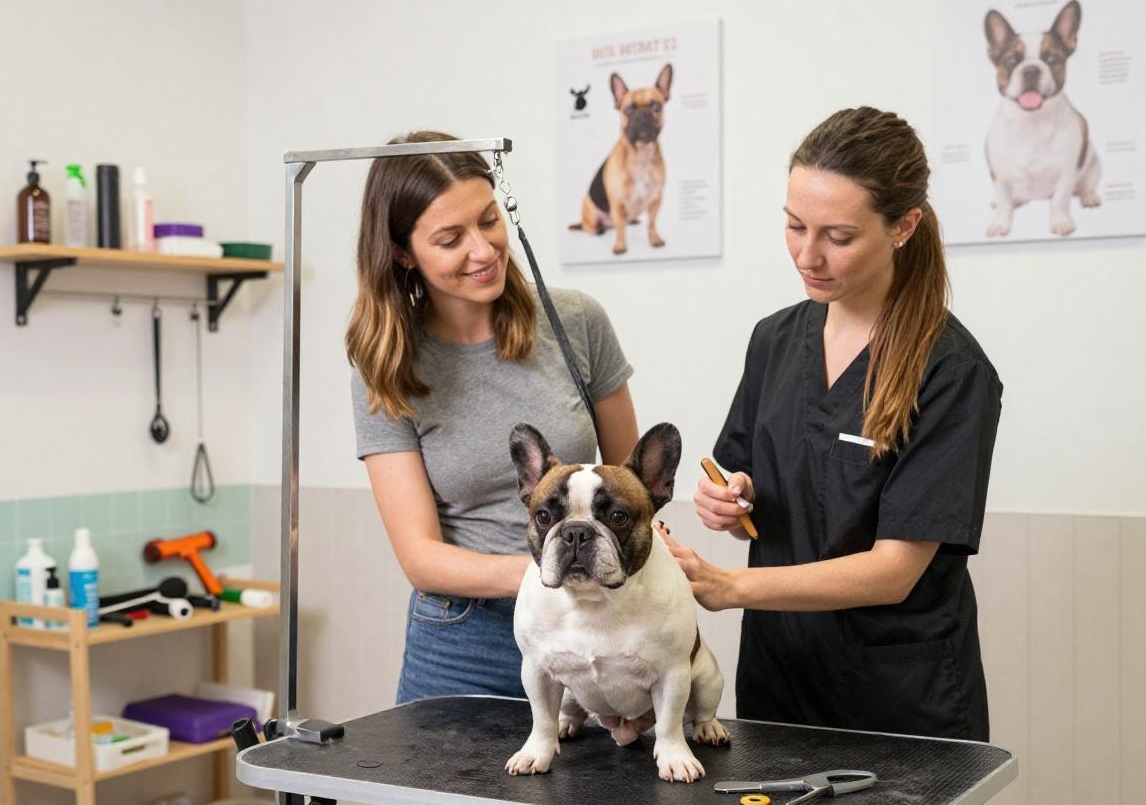
Hello everyone. After ten years working with countless pets and their owners, I keep hearing the same question: “Doc, why is my French bulldog’s coat always dull and dry instead of shiny and sleek?” Seeing owners’ confusion and my patients’ innocent eyes, I know this is far more than a cosmetic concern — it directly impacts skin health and comfort. Today we will go over safe, effective approaches, focusing on hair‑care essential oils, to restore the gorgeous coat of our short‑coated companions, French bulldogs.
Why Is Your French Bulldog’s Coat Dull? Root‑Cause Analysis
Before jumping into solutions, we need to identify the source of the trouble. As classic short‑haired dogs, French bulldogs have coat‑care needs very different from long‑haired breeds.
1. Special Sebum Secretion & Short‑Hair Structure: Short‑haired dogs usually have denser hair follicles, yet sebaceous‑gland distribution and oil coverage per strand may lag behind some long‑coated breeds. French bulldog hair lies flat against the skin, so natural skin sebum struggles to spread evenly across each short hair, especially toward the tips. This easily causes dry, brittle, lifeless hair ends.
2. Pitfall of Over‑Bathing: Many owners bathe their French bulldogs frequently to reduce body odor or keep them clean. Excessive washing, especially with harsh, improperly‑formulated grooming products, strips away the skin’s protective lipid layer. Without this barrier, skin enters a vicious cycle: dryness → compensatory over‑oil production → worse dryness, leaving fur dull and lackluster.
3. Nutrition & Internal Health: “Coat shine mirrors overall health.” Diets low in high‑quality protein, essential fatty acids (Omega‑3, Omega‑6), and key vitamins (A, E, B‑complex) result in coarse, brittle, dull fur. In addition, poor nutrient absorption, endocrine disorders, or underlying skin issues (mild yeast infections, allergies) often first show up in the coat and skin.
4. Environmental Factors & Poor Daily Care: UV radiation, dry air, and unsuitable combs (e.g. pin‑combs scratching skin) damage the hair cuticle, making hair frizzy and reducing light‑reflecting ability.
Achieve Glossy Fur: 3 Actionable Essential‑Oil Grooming Routines
Now that we understand the triggers, we can target them properly. Hair‑care essential oils act not as cosmetics, but as nutritional supplements and physical protective barriers. They mimic and replenish natural sebum, repair cuticle damage, lock in moisture, and many carry natural soothing and antibacterial properties to nourish underlying skin. Below are practical routines built from clinical and hands‑on experience, including missteps I made and lessons learned.
Routine 1: Basic Daily Spray — Instant On‑the‑Go Coat Gloss
This is my top‑recommended method and the most well‑received among French bulldog owners. It works for day‑to‑day upkeep, quickly boosting shine and moisture between baths.
My Experience: I initially bought commercial pet‑coat sprays, yet many contained heavy artificial fragrances or left sticky residue. I began mixing my own formula, with two core rules: heavy dilution and mix‑fresh‑for‑use.
Step‑by‑Step Procedure:
1. Base Liquid: In a 100 ml spray bottle add 95 ml of distilled or purified water to minimize limescale buildup.
2. Carrier Oil: Add 5 ml (~100 drops) of jojoba oil. It closely resembles canine sebum; highly absorbent and non‑greasy. For extra soothing power, add 1‑2 drops of pet‑safe‑grade lavender essential oil.
3. Critical Step: Squeeze in 1‑2 ml of aloe vera gel and shake vigorously. Aloe vera acts as an emulsifier to blend oil and water, while delivering extra moisturizing and calming benefits.
4. Application: Shake well before each use. Spray 15‑20 cm away from the dog’s coat, avoiding eyes, nose and mouth. Use a soft grooming glove or silicone massage comb to gently wipe‑or‑comb along hair growth direction. You will notice immediate soft shine and smoother texture. Use 2‑3 times weekly.
Routine 2: Pre‑Bath Deep‑Nourishing Oil‑Mask Treatment
This works like a concentrated conditioning mask for fur, ideally applied before bathing. It prevents excessive natural‑oil loss caused by shampooing.
My Experience: One client’s French bulldog had straw‑like dry fur that turned static‑prone after baths. I suggested this pre‑bath treatment one hour before washing. After the very first session, texture improved noticeably post blow‑dry; fur separated smoothly and shine increased by roughly 30 %.
Step‑by‑Step Procedure:
1. Mix Treatment Oil: In a small bowl pour roughly 2 tablespoons (30 ml) cold‑pressed virgin coconut oil (solid at room temperature; melts in palm warmth). Its medium‑chain fatty acids offer great nourishment plus mild antibacterial effects.
2. Optional Boosters (Recommended): Add 3‑4 drops sea‑buckthorn fruit oil. Rich in vitamins and antioxidants, it excels at repairing damaged fur and enhancing red‑and‑brown coat tones — my personal secret weapon.
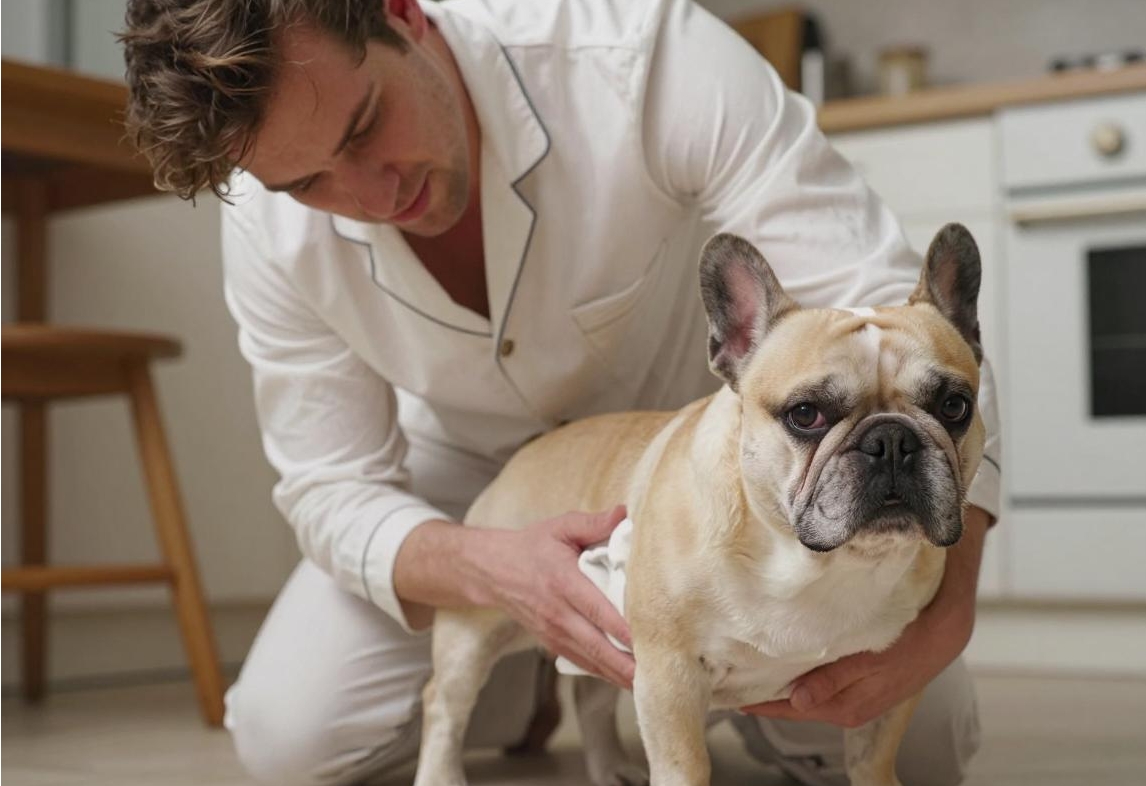
3. Application: Rub blended oil between palms to warm it up, then apply gently and evenly over the French bulldog’s dry coat. Pay extra attention to dry‑prone areas such as the back and outer thighs. Massage to ensure oil reaches skin and hair roots.
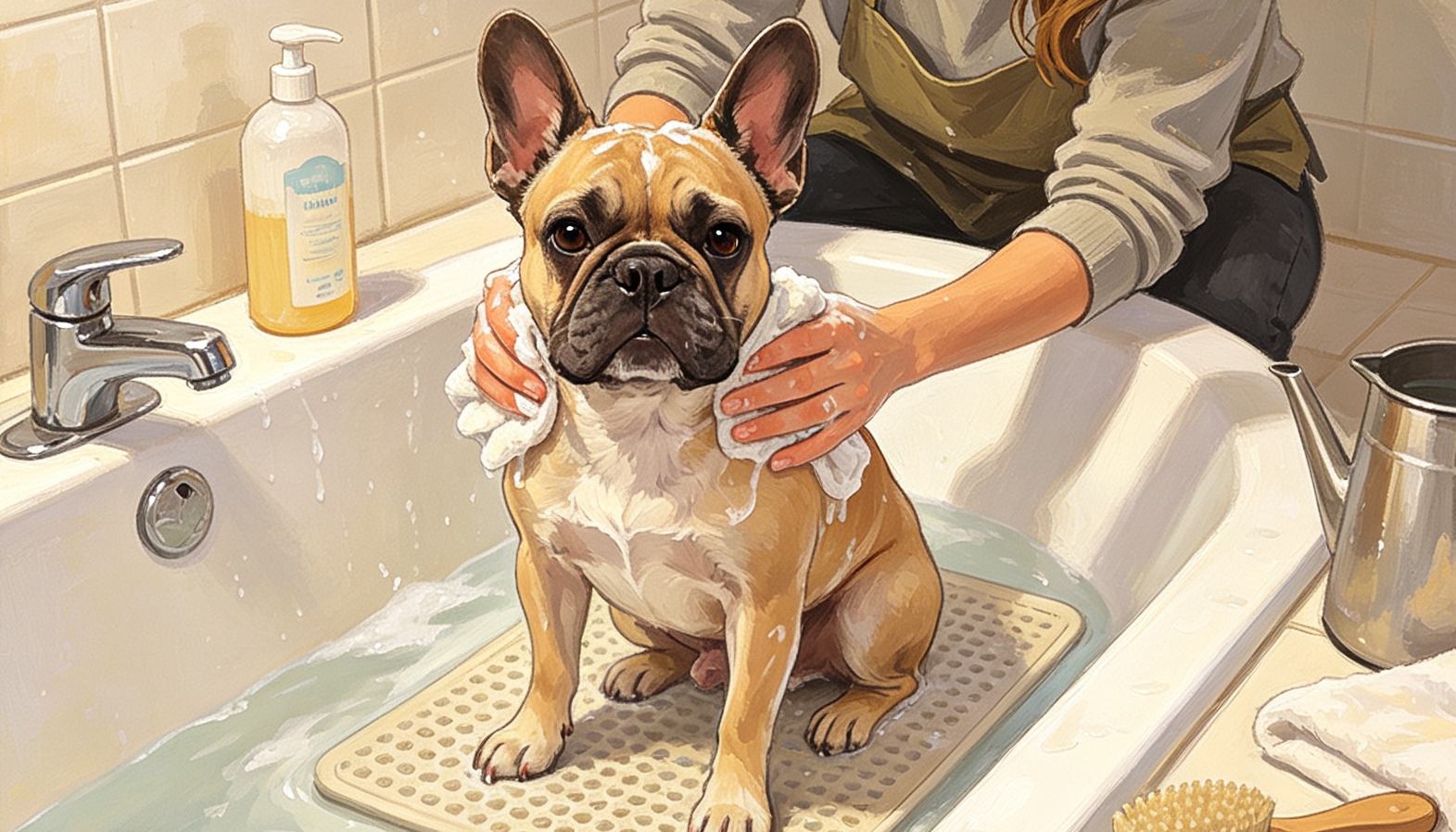
4. Dwell Time & Washing: Leave oil on fur for 15‑20 minutes for full penetration. Thoroughly wet the dog with lukewarm water, then shampoo normally with mild pet‑formulated shampoo. Even after shampooing, fur stays soft thanks to the protective oil film.
Routine 3: Paw & Local‑Skin Nourishing Massage Oil
French bulldogs often develop dry, chapped, even inflamed skin on paws, elbows (from frequent lying down), and within skin folds. For these localized spots, use this stronger repairing blend.
My Experience: My own senior French bulldog “Tank” developed thick elbow calluses that cracked in dry weather. Ordinary balms performed poorly because he would lick them off. This herbal‑infused olive‑oil formula is safe for minor ingestion and delivers visible improvements.
Step‑by‑Step Procedure:
1. Make Infused Base Oil: Place dried calendula petals inside a clean glass jar. Pour in extra‑virgin olive oil to fully submerge petals. Seal and store in a cool dark place for 2‑4 weeks. Calendula is valued for outstanding skin‑repair and anti‑inflammatory properties.
2. Prepare Massage Blend: Take 10 ml finished calendula‑infused oil. Add 1 drop myrrh essential oil (powerful repair) and 1 drop chamomile essential oil (ultra‑soothing). Ensure myrrh and chamomile are high‑quality pure essential oils.
3. Usage: Place a small amount on fingertips and massage gently onto dry elbows, paw‑pad edges or clean skin folds. Best applied when the dog is relaxed or before bedtime. Hold your dog briefly after massaging, or use an Elizabethan collar for 10‑15 minutes to prevent licking until absorbed. Apply 2‑3 times weekly; dry areas will soften visibly.
Pitfall Guide: Red‑Light Rules for Safe Essential‑Oil Use
Essential oils are potent natural compounds. Used correctly they are beneficial; misused they cause harm. Strictly observe these safety rules:
1. Never for Oral Administration: Do not add any essential oils directly into drinking water or food. Internal use requires expert veterinary supervision.
2. Always Dilute: With very few exceptions (e.g. highly‑cautious spot‑treatment of pyoderma with tea‑tree oil), never apply undiluted pure essential oil directly onto pet skin or fur. Always heavily dilute with carrier oils (coconut, jojoba, olive oil etc). General maximum essential‑oil concentration: 1 % (no more than 1 drop essential oil per 5 ml carrier oil).
3. Avoid Hazardous Essential Oils: Oils toxic to dogs include but are not limited to: tea‑tree oil (toxic at high strength or if swallowed), wintergreen, peppermint, camphor, cinnamon, clove, fennel, bitter almond, wasabi. Beginners should stick to widely‑recognized safe oils such as lavender, chamomile, frankincense, and keep concentrations low.
4. Perform Skin‑Sensitivity Test: Before first‑time use of any new blend, dab diluted product onto a small patch of skin behind the ear or inner thigh. Monitor for 24 hours. Only use broadly if no redness, swelling or itching appears.
5. Prioritize Quality: Choose reputable brands. Use only 100‑percent‑pure additive‑free therapeutic‑grade essential oils and cold‑pressed carrier oils.
Summary: Healthy Shine From the Inside Out
Restoring a brilliant coat for your French bulldog is a holistic process. Hair‑care essential oils are a pleasant, effective external‑care tool that quickly improves coat appearance and nourishes skin. Yet they work best built upon balanced nutrition, sensible bathing frequency, adequate fresh water, and regular brushing. Remember: without internal health, external grooming delivers only short‑lived results. Combine balanced diet, gentle daily care, and the essential‑oil techniques covered today. Your short‑coated French bulldog will shine as one of the healthiest, most eye‑catching dogs around.
Important Reminder
All methods shared apply to routine grooming and mild coat‑skin concerns. Stop self‑treatment and seek professional veterinary advice right away if you observe: large‑scale hair loss, skin rashes, pustules, intense itching, excessive dandruff, or steadily worsening coat condition despite dietary and grooming adjustments. These may signal allergies, parasites, endocrine illness or deep‑seated skin infections. Timely diagnosis and treatment are the greatest responsibility to your pet.