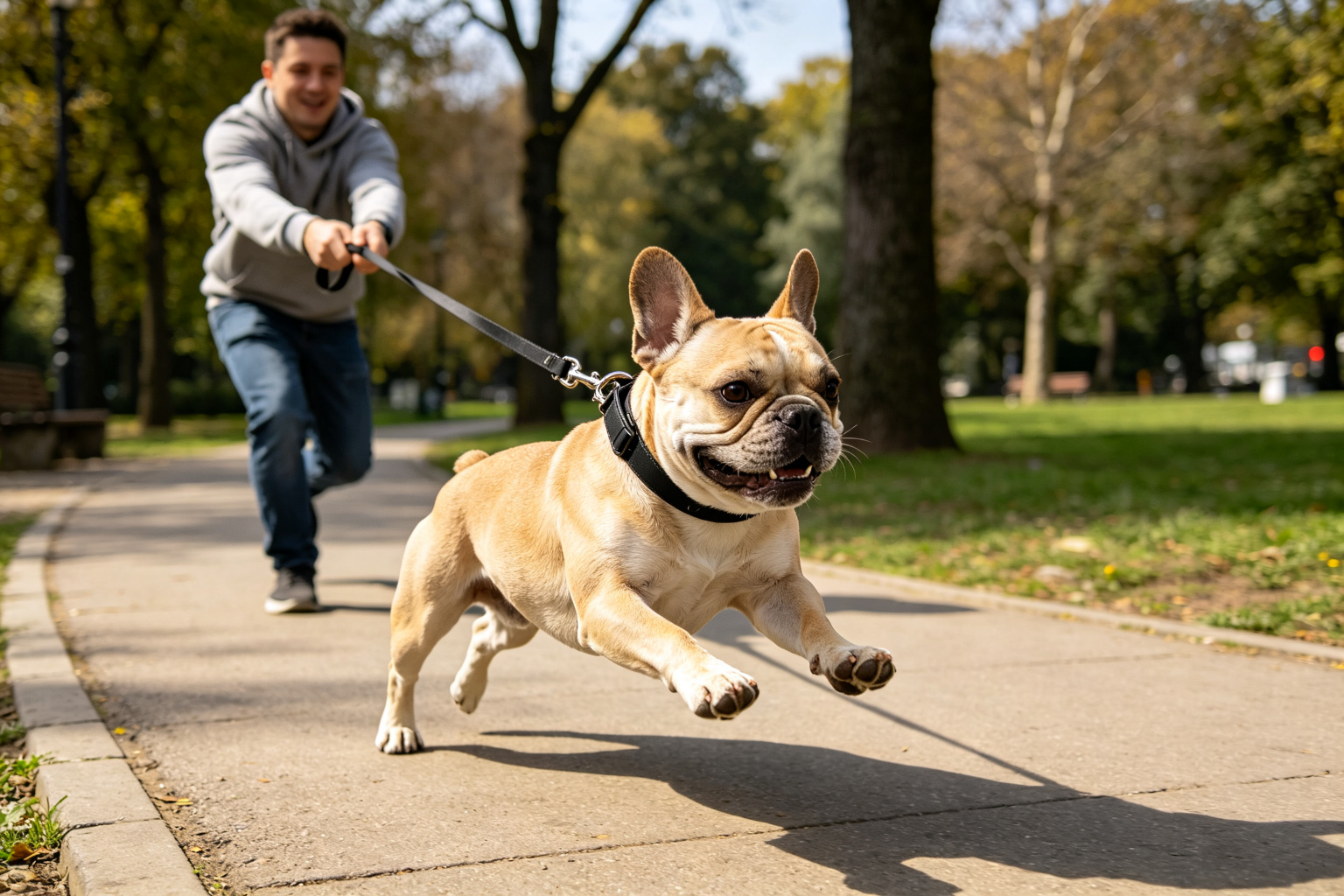
Dear French bulldog owners. Have you ever returned home to find brand‑new sofa legs gnawed beyond recognition and expensive solid‑wood furniture covered in bite marks? It is both distressing and frustrating. Over my ten‑year career in pet behaviour counselling, I encounter this scenario nearly every week. French bulldogs are energetic, strong‑jawed dogs; once they develop a furniture‑chewing habit, the damage can be substantial. Before scolding your French bulldog, bear in mind that destructive chewing usually stems from unmet physical or psychological needs. Today we systematically cover how to gently yet firmly resolve this troublesome habit through understanding and structured training.
Why Is Your French Bulldog Obsessed With Chewing Furniture?
Understanding underlying motives is the first step toward successful correction. Furniture‑chewing is far more than simple naughtiness, and generally falls into these key categories:
1. Physiological needs: Puppies aged 3‑8 months go through an unavoidable teething phase. Erupting new teeth cause sore, itchy gums, and chewing brings relief. Even adult French bulldogs require regular chewing activity to maintain oral and dental health.
2. Surplus energy and boredom: Though compact‑bodied, French bulldogs have plenty of energy. Insufficient daily physical and mental exercise leads to pent‑up drive that manifests as destruction. Boredom is the top trigger for furniture‑chewing when owners are away or preoccupied.
3. Sign of separation anxiety: French bulldogs are highly people‑oriented and form strong attachments to their owners. When left alone, intense stress and anxiety drive them to chew items carrying human scent, such as slippers and sofas, for comfort and emotional release.
4. Exploring the world: Dogs perceive their surroundings with their mouths. Chewing acts as a way to investigate and mark new objects and new furniture.
5. Attention‑seeking: Dogs quickly learn that chewing furniture makes their owner rush over, even for scolding. To them, this becomes an effective shortcut to gain human attention.
Five Proven Correction Solutions To Fix The Problem At Its Source
Interventions must target each root cause. The five strategies below are combined techniques refined from numerous real‑world cases. Execute them patiently and consistently.
Solution 1: Offer legal chewing outlets to satisfy innate chewing drives
This is the most fundamental and essential step. You must supply highly appealing, appropriate items that satisfy your dog’s powerful urge to chew.
Real‑world case: I worked with a 2‑year‑old French bulldog named “Tank” who exclusively gnawed wooden furniture legs. He showed zero interest in ordinary toys. I noticed he preferred textured surfaces that leave visible bite indentations. My solution: upgrade his chewing inventory. I recommended tough rubber toys such as Kongs stuffed with frozen yoghurt or peanut butter. Natural long‑lasting chews including antler and yak cheese sticks were also introduced. Crucially, place these approved chews right next to furniture he targets. Whenever he approaches furniture, use an excited tone to redirect him toward his toys. Praise enthusiastically and reward treats when he complies. Within roughly one week, Tank’s interest in furniture legs had noticeably shifted.
Key implementation notes: Prepare 3‑5 chew toys of varied textures (rubber, rope, plush, natural materials). Rotate them regularly to maintain novelty. Ensure chew items are durable enough to prevent swallowed fragments that create choking hazards.
Solution 2: Comprehensive daily energy management
A well‑exercised dog is a well‑behaved dog. For French bulldogs, exercise means more than just casual walks.
Real‑world case: Many owners assume French bulldogs need little exercise and two short daily walks suffice. Casual walking burns physical energy but often leaves mental stimulation unaddressed. I recommend “15 minutes of high‑quality engagement over one hour of aimless wandering”. Examples include practising heelwork, sit and wait cues on walks using treat pouches; 10‑minute indoor treat‑sniffing games; or short supervised tug‑of‑war sessions with clear rules where the owner starts and ends play. I coached one office‑working owner to spend 10 minutes playing fetch and practising basic commands before leaving for work each morning, plus a training‑focused walk after returning home. After only three days, the owner reported furniture‑chewing at home had dropped by more than half.
Key implementation notes: Split daily activity into physical output (brisk walking, light running) and mental enrichment (obedience drills, sniffing games, puzzle toys). A 15‑20‑minute high‑quality interaction session right before you leave the house greatly reduces boredom and separation‑related anxiety.
Solution 3: Environmental management and behaviour prevention
In early‑stage training, preventing unwanted behaviour is far more effective than punishing it after the fact.
Real‑world case: For unsupervised puppies or dogs in early training phases, use exercise pens or pet safety gates to confine them to a secure zone e.g. a corner of the living room with floor mats. Supply water, bedding, toilet area and approved chew toys inside. This is a low‑stress, highly effective physical prevention measure. For specific furniture pieces, apply pet‑safe bitter‑tasting anti‑chew spray, or cover surfaces with aluminium foil or double‑sided tape, textures most dogs dislike. One client’s French bulldog persistently chewed baseboards; we fitted clear acrylic panels over that section, preserving room aesthetics while eliminating chewing opportunities entirely.
Key implementation notes: Management is not punishment; it sets your dog up for success. Always implement environmental safeguards when you cannot supervise, such as while sleeping or out of the house. This protects furniture and also guards your dog against accidental ingestion of harmful debris, a win‑win approach.
Solution 4: Teach clear cues and replacement behaviours
Train your dog a cue incompatible with furniture‑chewing, such as “leave it” or “chew this instead”.
Real‑world case: Training the “leave it” cue. First, hold an ordinary treat inside your closed fist and present it toward your dog. He will sniff, lick and paw at your hand. The instant he pulls back and stops interacting, mark “yes!” and reward with the treat from your open palm or deliver a higher‑value treat from your other hand. Repeat repeatedly until he automatically moves away from your closed fist. Gradually transfer this exercise onto low‑value objects, and finally onto furniture. When your dog approaches furniture, give the “leave it” cue. Reward lavishly with high‑value treats such as chicken jerky the moment he complies. Remember, our goal is voluntary disengagement, not forced withdrawal.
Key implementation notes: This training requires great patience. Always reward correct choices, helping your dog understand that ignoring furniture yields better outcomes than chewing it.
Solution 5: Complete non‑reaction for attention‑seeking chewing
If you confirm chewing is performed purely to draw your notice (typical signs: chewing while glancing sideways at you), your best response is zero reaction.
Real‑world case: I monitored a French bulldog named “Doubao” via home camera. When his owner left, he would sleep peacefully. But whenever the owner stayed home watching TV or scrolling a phone without paying attention to him, he would amble to the coffee table and start chewing, classic attention‑seeking behaviour. My instruction for the owner: calmly and immediately exit the room. No eye contact, no verbal communication, stay away for 1‑2 minutes, then return and resume normal activities. Repeat the withdrawal if chewing restarts. Simultaneously, actively offer petting, praise or small treats when he lies quietly or plays with his own toys. Within a few days, Doubao learned: calm behaviour earns affection, chewing furniture makes the owner disappear.
Key implementation notes: Use this technique alongside Solution 2. Ensure your dog’s baseline exercise and mental needs are already met; otherwise complete neglect may trigger new behavioural problems.
Training Pitfall‑Avoidance Guide: What You Must Never Do
Certain common missteps will worsen chewing problems:
1. Post‑factum punishment: Coming home to destruction and then scolding or physically correcting your dog. Dogs cannot connect punishment to chewing events that happened hours earlier. They will simply associate your home‑coming with fear, potentially amplifying separation anxiety.
2. Physical discipline or intimidation: This erodes trust between you and your dog and may lead to fear‑based or aggressive responses.
3. Inappropriate chew items: Offering old shoes or worn pillows confuses your dog’s understanding of allowed versus forbidden objects. He cannot tell the difference between old slippers and brand‑new leather shoes.
4. Lack of patience and consistency: Behaviour change takes time. Correcting chewing one day yet ignoring it when busy the next confuses your dog and drastically reduces training effectiveness.
Summary: Patience and Understanding Pave The Way To Success
Correcting furniture‑chewing in French bulldogs demands patience, observation and consistent leadership. It is not merely about stopping unwanted actions; it is a systematic process of redirection and need‑fulfilment. Provide adequate suitable chews to satisfy physiological urges; burn excess energy through high‑quality exercise and interaction; minimise opportunities for mistakes with smart environmental management; complement this with clear cue training. Step‑by‑step you will shift your dog’s focus away from expensive furniture toward appropriate outlets. Remember: your French bulldog is not acting out of spite. He simply needs your guidance to learn how to live appropriately within a human household.
Important Reminder
In most cases, the behavioural adjustments and environmental strategies above produce significant improvement. Still, consult your veterinarian or certified animal behaviourist promptly if you observe any of the following:
1. Sudden sharp increase in chewing paired with drooling and restlessness, potential signs of oral pain including periodontal disease or broken teeth, or general physical discomfort.
2. Self‑mutilation alongside chewing: excessive licking or gnawing at his own body parts.
3. Severe separation‑anxiety symptoms: persistent barking, inappropriate elimination, frantic attempts to break through doors.
4. Compulsive, unrelenting chewing focused on surfaces such as walls or floors that persists despite enrichment and redirection, which may indicate obsessive‑compulsive tendencies.
Professional veterinary checks and behavioural assessments rule out underlying medical conditions and deliver targeted intervention plans to safeguard your dog’s physical and mental wellbeing.