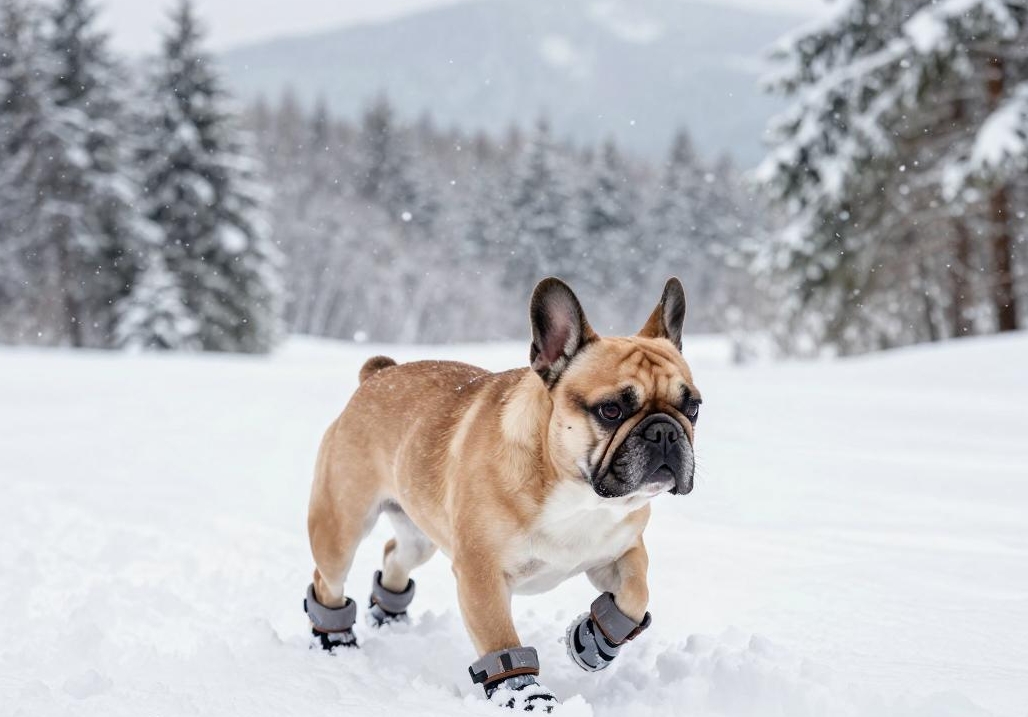
Hello to all French Bulldog parents. After caring for countless lovely yet sensitive French Bulldogs for more than a decade, I have noticed a frequently overlooked detail that directly impacts canine health: the toys they chew, bite and constantly hold in their mouths. Today we will thoroughly discuss how regular toy disinfection creates a vital health barrier for your French Bulldog.
An Overlooked Health Hazard
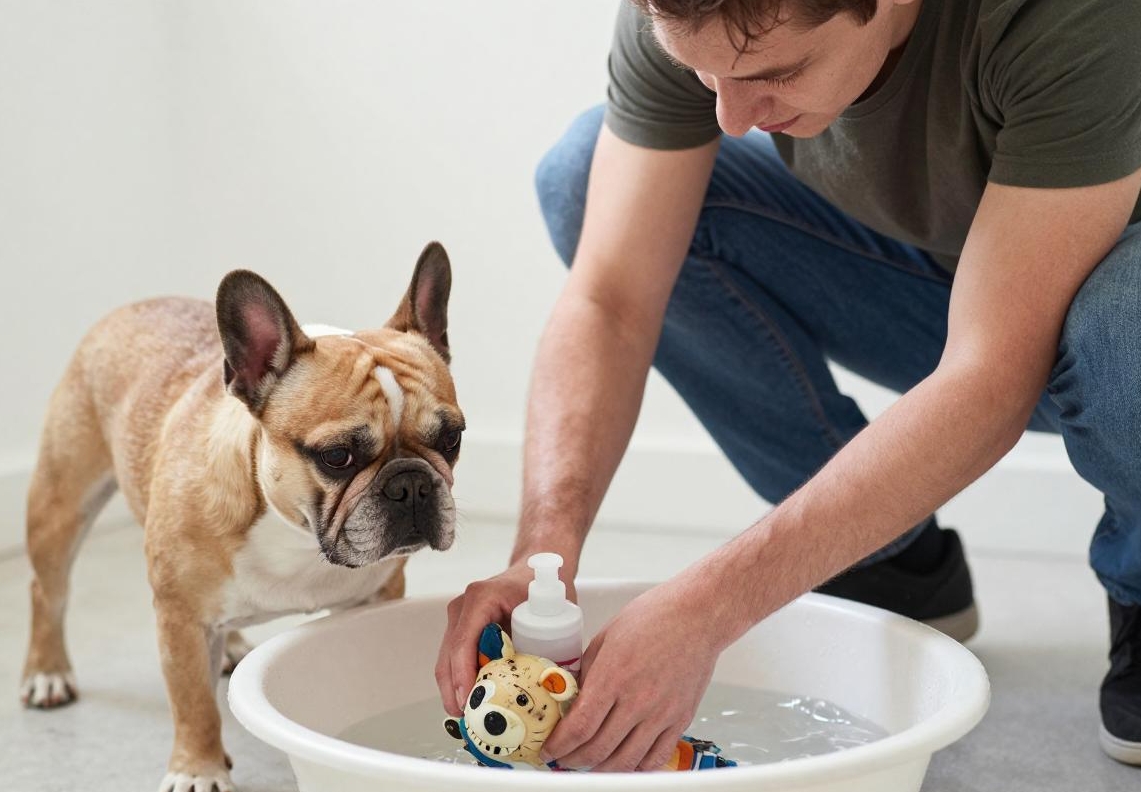
Imagine this scene: you arrive home from work, and your beloved French Bulldog runs over excitedly carrying their favourite rubber ball to greet you. You pet their head and play fetch for a while. The ball rolls across the floor repeatedly, collecting dust, saliva, and it may have been carried off into a corner before being retrieved again. This toy filled with joyful moments may not look visibly dirty, but under a microscope, it can become a breeding ground for bacteria, fungi and even viruses. Especially for French Bulldogs, a breed with sensitive skin and delicate digestive systems, these invisible microbes can trigger recurring itchy skin, bad breath, diarrhoea and more serious infections.
Why French Bulldog Toys Require Extra Attention
This concern stems not only from dirty toys, but also from the unique physical traits and behaviour of French Bulldogs.
First, their well-known oral exploration habit. French Bulldogs are naturally curious. Puppies in the oral stage and many adult dogs rely on their mouths to experience the world. Toys serve as their primary objects for chewing and comfort, leading to prolonged contact with oral mucosa, teeth and saliva, creating a direct entry route for pathogenic microorganisms.
Second, French Bulldogs have abundant facial skin folds where saliva easily accumulates. Saliva dripping while chewing saturates toys, and its rich organic content acts as perfect nourishment for bacterial growth. If toys remain unclean, bacteria multiply rapidly on damp surfaces and within skin folds. When the dog continues chewing, pathogens enter the mouth and commonly lead to gingivitis and persistent bad breath.
Third, French Bulldogs often lack robust immune resilience. Many Frenchies have allergic tendencies or sensitivities. Allergens and toxins absorbed from contaminated toys can trigger or worsen skin and digestive allergic reactions.
I once treated a two-year-old French Bulldog named Niuniu who suffered from intermittent diarrhoea and mild swelling around the mouth. Routine deworming and dietary adjustments only brought temporary relief. During a detailed lifestyle consultation, the owner mentioned Niuniu carried a plush toy nearly 24 hours a day. I advised thorough cleaning and disinfection of the toy, plus a break from using it for several days. Very soon, Niuniu’s symptoms improved noticeably. This case taught me that toy hygiene is never a trivial matter.
Practical Experience: Reliable Ways to Disinfect French Bulldog Toys
Based on years of clinical observation, I have compiled several safe, effective and practical toy disinfection solutions. Choose methods according to each toy’s material.
1. Boiling Method for Heat-Resistant Toys
This is my top recommendation for electronic-free rubber, silicone and hard plastic toys, delivering the most thorough sanitisation.
My Standard Procedure: I use a dedicated pot only for pet supplies (never shared with human cookware). Rinse toys briefly with clean water, then fully submerge them in cold water. Bring the water to a rolling boil and start timing. For weekly routine maintenance disinfection (1–2 times weekly), maintain a boil for 5–10 minutes. For brand-new toys or toys heavily soiled from outdoor use, extend boiling time to 15–20 minutes to eliminate tougher pathogens. After boiling, do not wipe with cloths; place toys on a clean drying rack to air-dry naturally. This physical high-temperature disinfection leaves zero chemical residue and is completely safe for French Bulldogs.
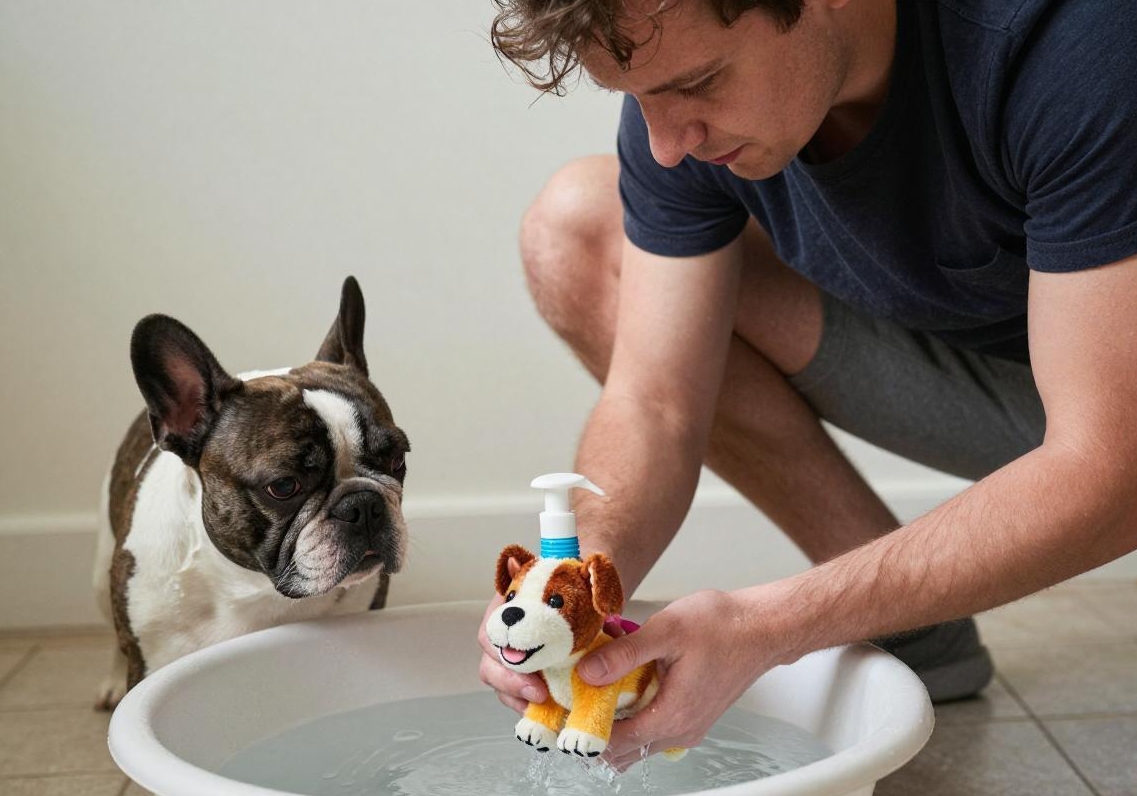
2. Washing & Sun Exposure for Plush and Non-Boilable Toys
Plush toys trap dirt deep inside their stuffing and cannot withstand high heat, requiring gentler handling.
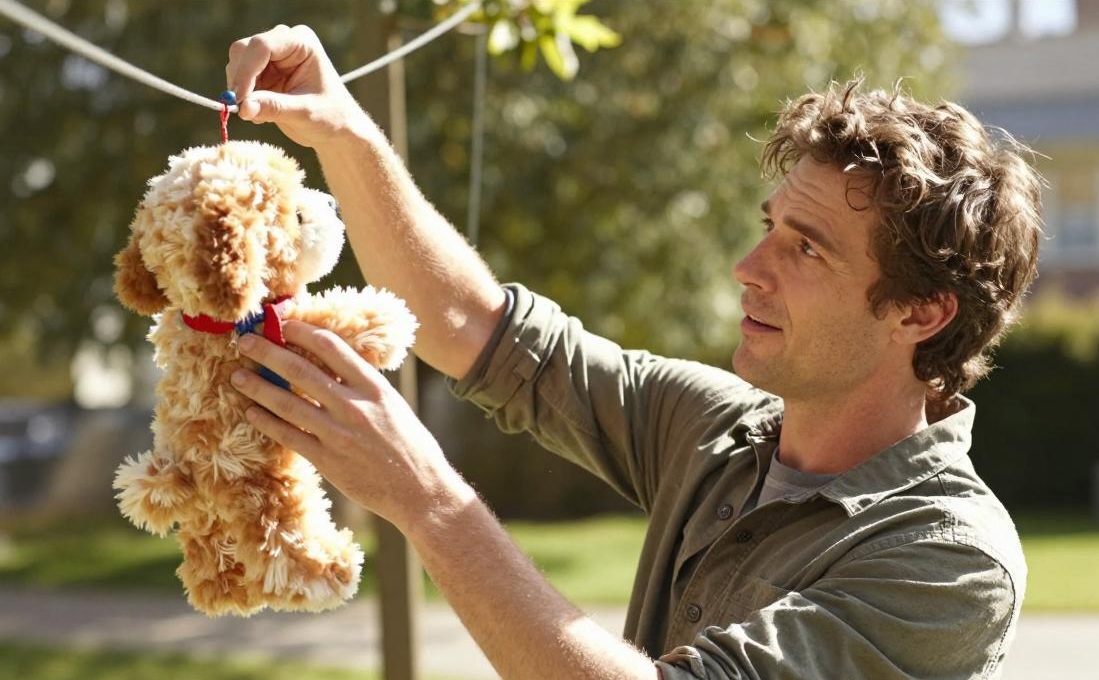
My Standard Procedure: First inspect for torn seams or exposed filling; mend rips before washing to avoid damage. Place the toy inside a laundry bag, select the machine’s delicate or wool cycle, and wash with fragrance-free, hypoallergenic pet-specific detergent. Avoid fabric softeners, as leftover residue can irritate your French Bulldog’s skin and respiratory tract. Once washed, hang the toy to dry in bright, well-ventilated sunlight. Ultraviolet light acts as a powerful natural disinfectant; a minimum of 4–6 hours of direct sunshine kills surface bacteria and mites. Remember to flip the toy to ensure every side receives sunlight.
3. Quick Daily Cleaning: Wiping With Pet-Safe Disinfectant
This routine suits large toys difficult to wash frequently, such as big chew articles and plastic puzzle feeders, or for upkeep between deep disinfection sessions.
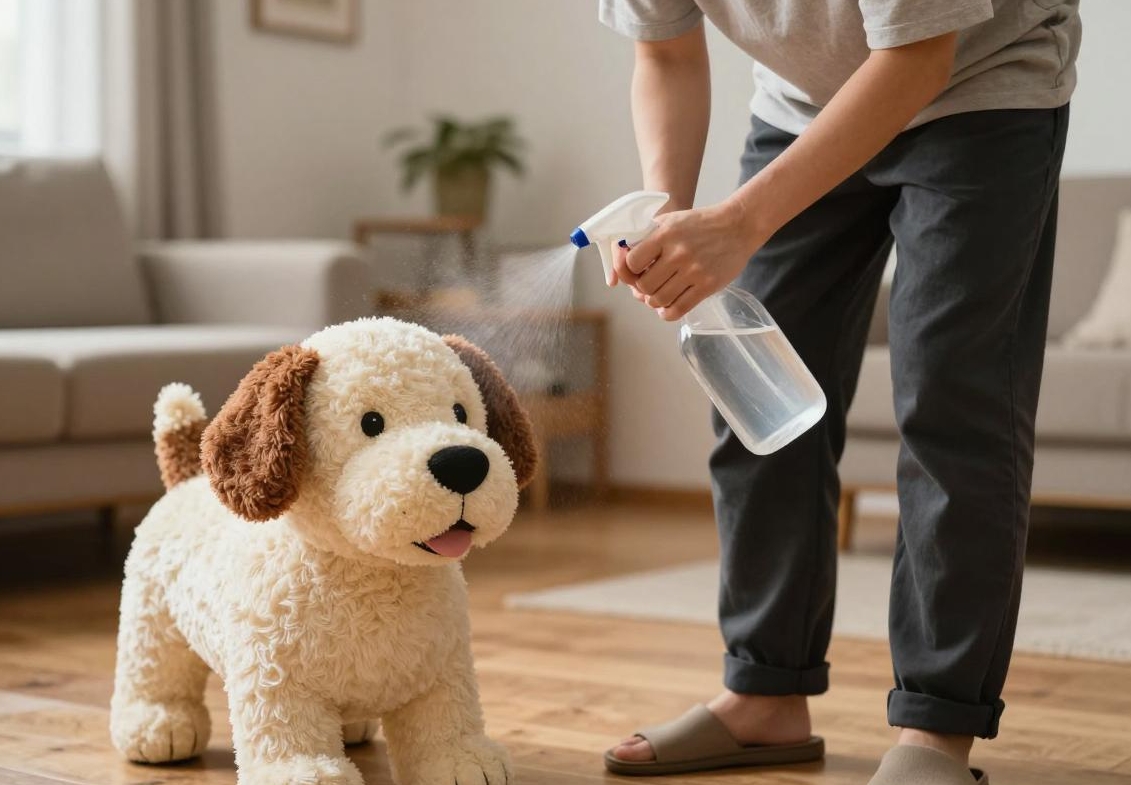
My Daily Routine: Keep a ready-to-use spray bottle of disinfectant. The key selection rule: choose pet-specific, lick-safe sanitising products, typically formulated with hydrogen peroxide or quaternary ammonium compound blends. Strictly avoid phenol-based disinfectants (toxic to dogs and cats) and harsh chlorine-based cleaners such as household bleach. Dilute the disinfectant following label instructions and pour into a spray bottle. After playtime each day, spray disinfectant onto a clean cloth and carefully wipe all toy surfaces, especially recessed areas the dog chews most often. Follow up with a separate damp cloth using only fresh water to reduce residual chemicals, then leave the toy to air-dry in ventilation. This fast method effectively lowers bacterial loads.
4. Establish a Toy Rotation & Inspection Schedule
Disinfection matters, but giving toys regular “rest periods” and routine check-ups are equally important.
My Advice: Do not offer all toys to your French Bulldog at once. Prepare 2–3 sets to rotate weekly. While one set rests, thoroughly clean and disinfect them before storing inside a clean container. This ensures clean toys are always available, and every toy receives sufficient cleaning downtime. Every time you collect toys, complete this essential step: careful inspection. Squeeze rubber toys to check for stickiness or cracks; pull plush toy seams and decorations (eyes, noses) to confirm stability; sniff for mould or unusual chemical odours. Immediately retire any damaged, crumbling or deteriorated toys — no matter how expensive or beloved — to prevent intestinal blockage or poisoning from swallowed fragments.
Mistake Avoidance Guide: Steer Clear of These Disinfection Errors
Pursuing cleanliness using incorrect methods can be more dangerous than skipping disinfection entirely.
Mistake 1: Overusing human household disinfectants. As noted above, many cleaners safe for humans are highly toxic to pets. Phenol disinfectants (certain Dettol and Walch variants) cannot be metabolised by cats and may cause liver and nervous system damage if ingested by dogs. Strong-smelling chlorine disinfectants (bleach) irritate dogs’ sensitive respiratory tracts, and residual chemicals can burn the mouth and digestive system when licked.
Mistake 2: Insufficient rinsing after disinfection. Even relatively gentle pet disinfectants create risks if not thoroughly washed away and fully dried after soaking or wiping. Accumulated chemical residue consumed gradually harms long-term health.
Mistake 3: Only cleaning outer surfaces while ignoring interiors. For treat-dispensing toys and hollow rubber toys, ensure water or disinfectant reaches inside. Shake thoroughly to flush inner cavities and avoid trapped moisture that leads to mould growth. Always position toys opening-down after washing to drain all internal water.
Mistake 4: Disinfecting too often or too infrequently. Excessive chemical sanitisation disrupts the natural microbial balance in your dog’s living environment. Long gaps between cleaning allow massive bacterial proliferation. Build a schedule based on usage: toys played with daily receive simple wiping each day plus one deep clean (boiling or washing) weekly. Less-frequently used toys require inspection and cleaning at least every two weeks.
Summary
Protecting your French Bulldog’s health is a systematic effort built on countless small details. Regular, proper toy disinfection delivers fast, low-cost preventive care. It directly reduces pathogen exposure and lowers risks of stomatitis, gastroenteritis and skin disease, letting you and your dog enjoy playtime with greater peace of mind. Remember: a clean toy brings reliable, long-lasting joyful companionship.
Important Reminder
The home care and prevention tips shared in this article apply to routine health maintenance. Contact your vet promptly if your French Bulldog develops persistent bad breath, excessive drooling, swollen gums, reduced appetite, frequent vomiting or diarrhoea, lethargy or other abnormal signs. These may signal oral disease, gastrointestinal infection or other systemic illnesses. Early detection and proper professional intervention are critical to safeguarding your dog’s wellbeing.