Hello everyone. As a pet‑care worker with more than ten years of experience with dogs, I have met countless owners troubled by their pets’ shedding. This is especially true for French Bulldog keepers. Though their coats are short, they follow the saying “shed twice a year, each time for half a year”. That almost welded‑on layer of short fur on sofas is both endearing and frustrating. Today we focus on this persistent headache and share practical, field‑tested sofa anti‑hair‑sticking modification tips to lighten your cleaning load so you and your French Bulldog can both enjoy home life more comfortably.
Pain Point: Why Does French Bulldog Hair Seem to “Grow” on Sofas?
I believe many French Bulldog owners can relate: you just rolled the sofa with a lint‑remover, yet by the time you get a drink, a new layer of fine short hairs has appeared. These hairs ruin appearances, may trigger household allergies and turn daily cleaning into an endless battle. Many owners are confused: even with daily brushing, why is the sofa still a hair disaster zone? This results from the combined effects of dog behaviour, hair characteristics and household surroundings.
Root‑Cause Analysis: Know Your Enemy To Win The Fight
To solve the problem, understand what causes it. French Bulldog hair sticks to sofas mainly for these reasons:
1. Hair‑structure traits: French Bulldogs are short‑haired dogs with stiff, straight fur and thick hair roots. Shed hairs act like tiny needles, easily wedging into fabric fibre gaps. Velvet, corduroy and knitted materials are natural hair traps — easy for hair to get in, hard to get out.
2. Skin‑sebum secretion: French Bulldogs have many skin folds and relatively active sebum production. Natural oils coat shed hairs, giving them slight stickiness that helps them cling to surfaces.
3. Behaviour patterns: Sofas are core resting spots from a dog’s perspective. Dogs lie, rub and play there constantly. This frequent contact is essentially continuous “hair transfer”.
4. Static‑electricity effect: Especially in dry seasons, friction between sofa fabric and dog fur generates static electricity and greatly boosts hair‑attracting power.
With these facts clear, our improvement strategy has definite directions: alter sofa‑surface properties so hair cannot adhere; place barriers separating hair from upholstery; or reduce shedding and adhesion at the source.
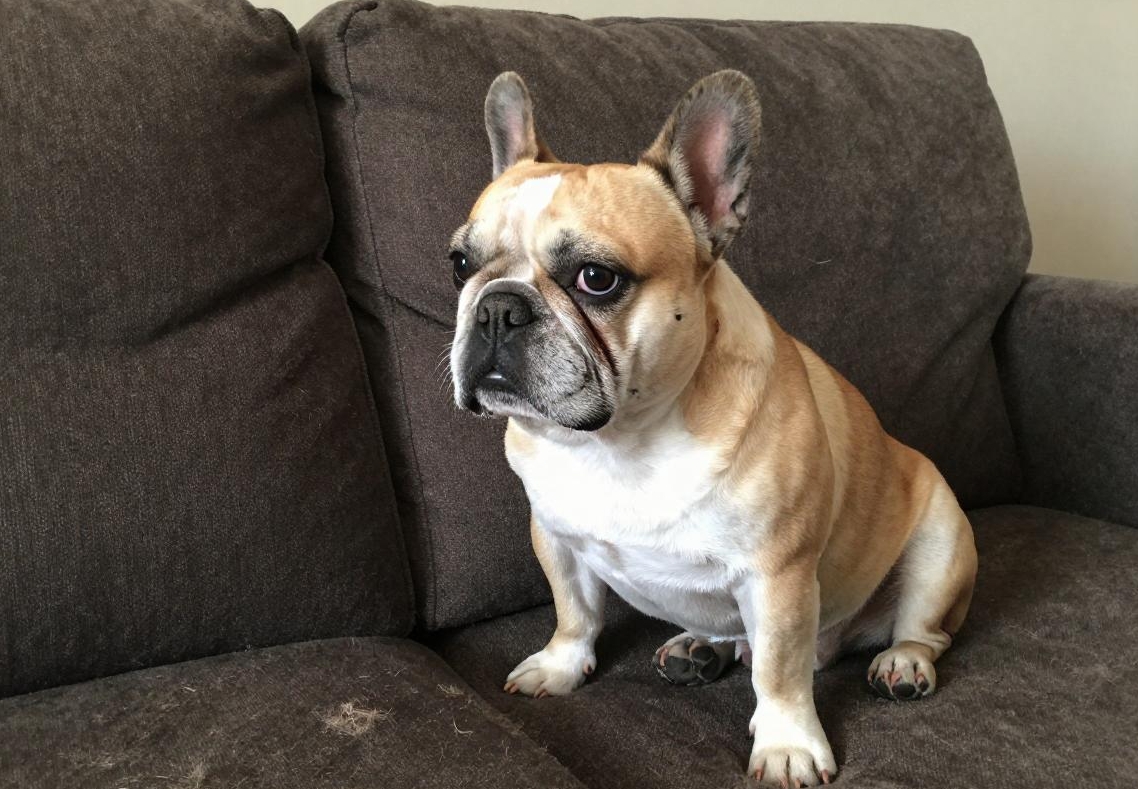
Five Field‑Tested Sofa Anti‑Hair‑Sticking Modification Tips
The methods below are summarised from my experience helping pet households plus my own dog‑keeping practice. I once owned a heavy‑shedding French Bulldog named Doubao, and I spent plenty of time optimising our sofa setup for him.
Tip 1: Give your sofa a “protective coat” — pick suitable sofa throws or slipcovers
This is the most direct, low‑cost method with immediate results. Material selection is critical.
My experience and picks: Early on I tried cotton bed sheets for Doubao. Hair still embedded in cotton weave gaps and sheets slid easily. Later I found two better solutions:
1. Smooth‑surface sofa slipcovers: such as satin‑like faux‑silk, high‑count high‑density glossy polyester or nylon fabrics. Their ultra‑smooth surface repels hair; shake or wipe with a damp cloth and hair comes off easily. I keep two sets at home for convenient rotation‑washing.
2. Pet‑specialised anti‑hair throws: Commercially available pet sofa blankets have non‑slip silicone dots on the reverse and short‑pile or smooth top fabric. Non‑slip backing holds the blanket firmly in place against dog activity, while the smooth top greatly lowers hair adhesion. This is my top recommendation for clients.
Operation notes: Choose dimensions fully covering seat cushions, backrests and armrests. Select colours close to your dog’s coat colour so minor residual hair is less visible.
Tip 2: Wisdom of “physical isolation” — use washable sofa cushions
If full slipcovers feel too much hassle, focus protection on areas where your dog most often lies down.
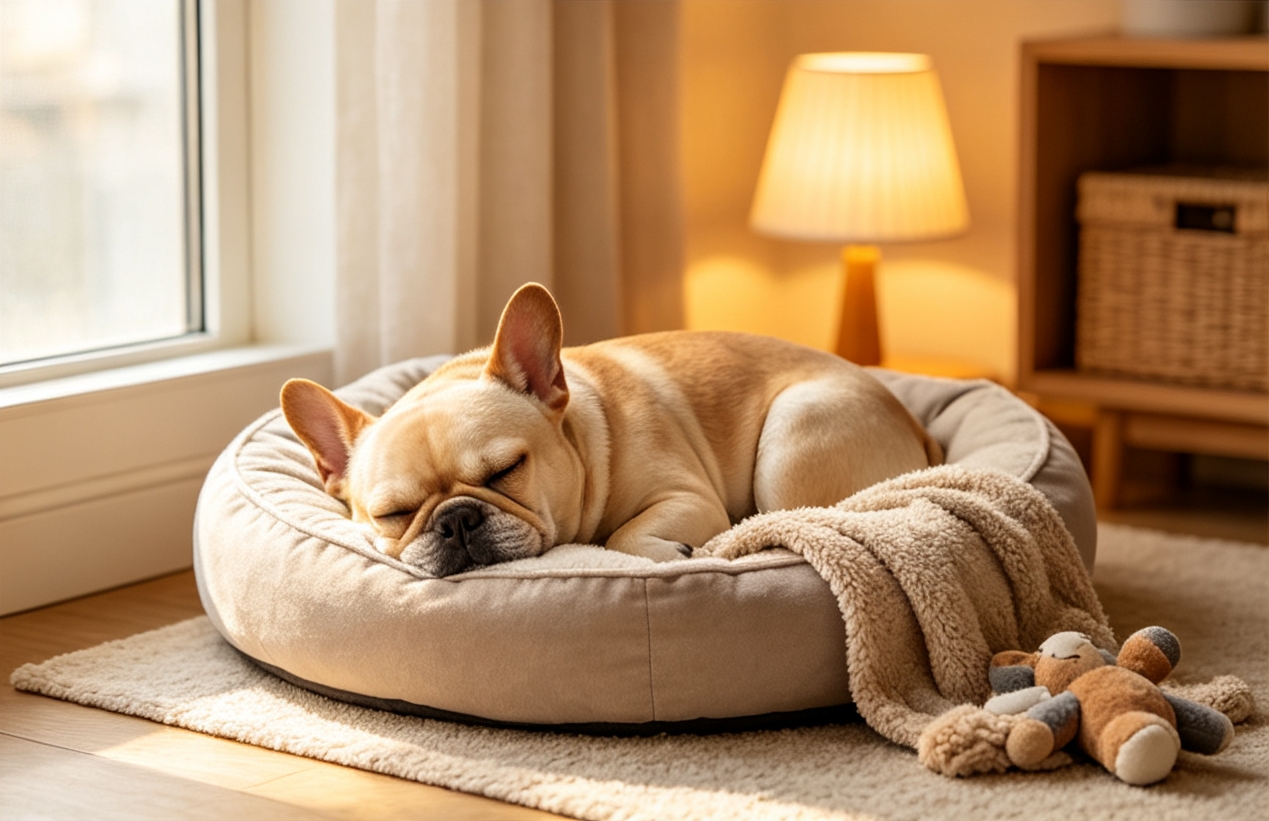
My practice: On Doubao’s designated sofa spot I laid a thick, machine‑washable quilted cushion with sponge inner core and water‑repellent outer fabric similar to outdoor‑apparel material. This material resists hair; drool or accidental spills wipe away without soaking through to the sofa. I machine‑wash it weekly and vacuum the underlying sofa, cutting total workload substantially.
Upgrade option: Custom‑fit latex cushions or PVC faux‑leather pads offer an ultra‑smooth surface that barely catches hair; clean with a damp cloth in seconds.
Tip 3: Cut hair “supply” at source — strengthen routine fur management
Less hair on sofas ultimately means less hair shed by your dog. Standard brushing is insufficient for French Bulldogs.
Common misconception and correction: Many owners only use regular pin‑brushes or bristle brushes, which only remove loose top‑coat fur. French Bulldogs’ stiff deep‑rooted hairs demand more specialised tools.
My exclusive grooming workflow:
1. Weekly deep‑clean session: Use a deshedding tool (FURminator‑style comb). Its blade teeth reach deep into undercoat layers to remove dead hairs ready to fall yet still trapped inside follicles. The volume of hair removed on first use will surprise you, directly lowering hair load floating indoors and landing on sofas for days afterward. Note: brush gently, avoid over‑brushing any single area; 1‑2 sessions per week suffice.
2. Daily quick maintenance: Use silicone massage brush or grooming glove.
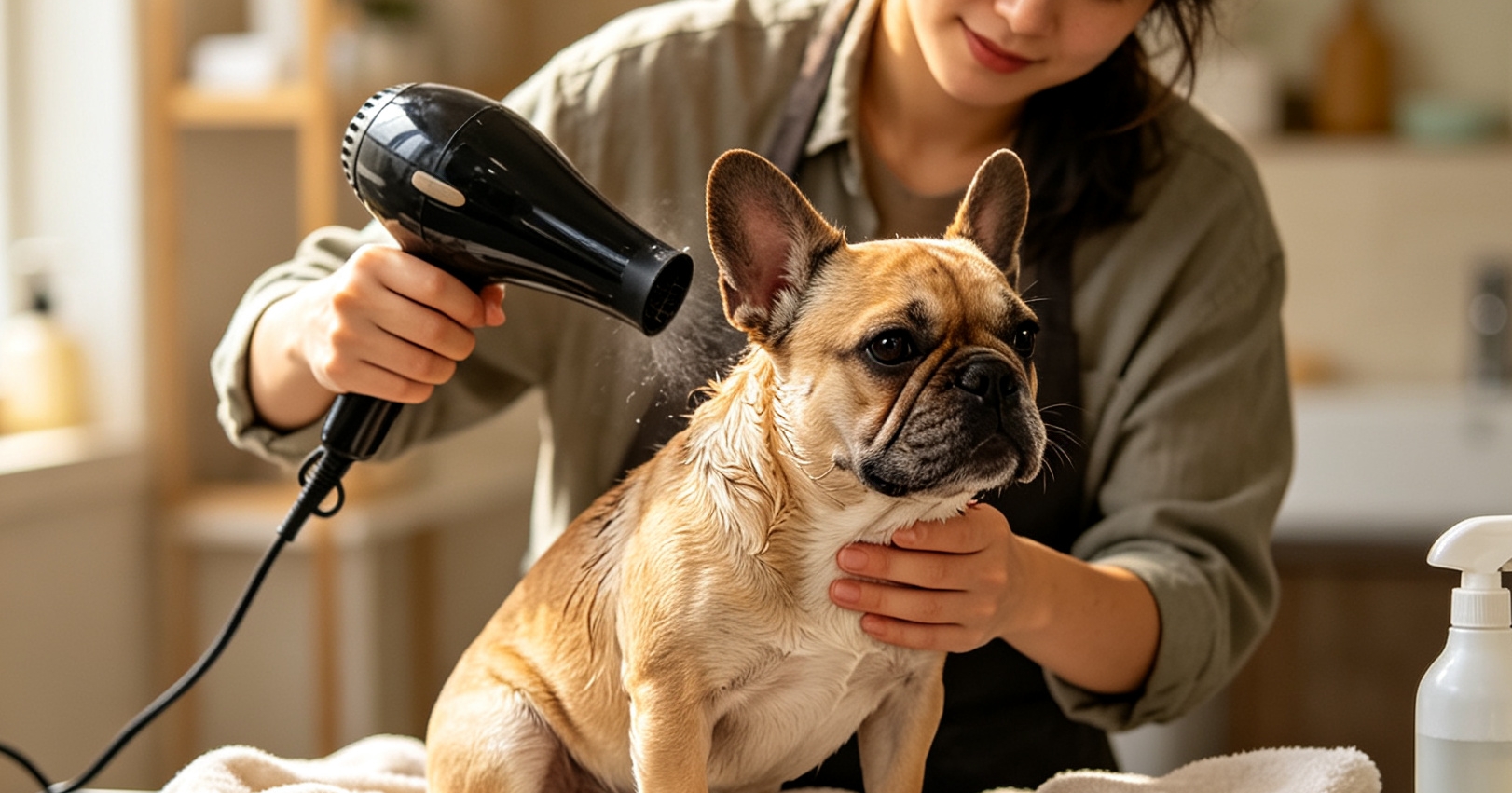
3. Bathing support: Use pet shampoo with conditioner properties to keep fur healthy and supple and reduce breakage‑caused shedding. While bathing, blow‑dry with a high‑velocity pet dryer and brush simultaneously to blast out large quantities of dead fur.
Tip 4: Build a “repellent” environment — apply anti‑static spray and adjust indoor humidity
Take active measures against static‑driven hair attraction.
My handy trick: Especially in autumn and winter, I occasionally spray small amounts of pet‑safe anti‑static spray onto sofa covers and throws (heavily diluted fabric softener solution works as a substitute; ensure it is harmless if licked). It reduces fabric static so hair adheres far less. An even simpler fix: run a humidifier in the living‑room to hold relative humidity between 50‑60 %. This cuts static and benefits human and canine respiratory tracts alike.
Tip 5: Optimise cleaning tools and workflows — make cleanup fast and effortless
Good tools are essential for efficient work. Abandon low‑efficiency supplies.
My cleaning toolkit:
- Rubber gloves (wet‑clean method): My top‑rated hack! Put on slightly damp rubber gloves (gardening gloves work too). Rub and scrape across sofa surfaces. Combined friction and moisture clump fur quickly. It outperforms lint rollers, especially for hair wedged inside fabric gaps.
- Vacuum cleaner with pet‑specialised attachments: Invest in a high‑suction vacuum plus crevice tool and pet turbo brush. A few minutes of daily vacuuming is the foundation of ongoing cleanliness.
- Flat mop with dry electrostatic sheets: For large fabric sofas, fit the flat mop with dry electrostatic sheets and glide it across upholstery just like mopping floors. It rapidly picks up hair and dust with minimal effort.
My personal routine: whenever Doubao leaves the sofa area, I quickly scrape his designated cushion with rubber gloves. Every night before bedtime I vacuum the full sofa. Spreading small cleaning tasks across daily routines prevents huge, intimidating pile‑ups.
Pitfall‑Avoidance Guide: Please Avoid These Common Mistakes
1. Over‑reliance on lint rollers: Against stiff French Bulldog hairs wedged deep inside fabric, lint rollers only grab surface loose fur, offering superficial relief at high consumable cost. They fit emergency spot‑treatment rather than daily primary cleaning.
2. Poor fabric choices: Do not select burlap, wool‑pile or any heavily textured sofa or slipcover just for “stain resistance”. These become permanent hair‑traps.
3. Neglect dietary health: Excess salt, low‑grade dog food causing dry skin and malnutrition worsen abnormal shedding. Balanced nutrition with sufficient high‑quality protein and Omega‑3 fatty acids such as fish oil fundamentally improves coat quality and reduces shedding from inside out.
4. Grooming only during heavy‑shedding phases: French Bulldogs shed continuously. Build brushing and cleaning into fixed daily or weekly habits instead of crisis‑driven emergency action.
Summary
There exists no permanent “magic fix” for French Bulldog hair sticking to sofas. Yet a combined strategy brings shedding down to easily‑managed levels. The core idea: “Prevention first, physical isolation second, cleaning as supplementary support”. Reduce loose fur at source through regular brushing; physically block hair with well‑fitted sofa covers or cushions; maintain with efficient cleaning tools. Remember our goal is not a totally hair‑free home, which is nearly impossible. We aim to drastically cut cleaning labour and stress, freeing more quality time to enjoy companionship with your dog.
Important Reminder
Finally, as a professional pet‑care specialist I must give a serious warning: seasonal shedding is normal. However, if your French Bulldog shows excessive abnormal hair‑loss, thinning coat, skin rashes, scabs or intense itching, these may signal skin disease such as fungal or mite infection, endocrine disorder or allergies. Simple cleaning and grooming cannot resolve these conditions. Visit a formal veterinary hospital promptly for professional diagnosis and treatment. Early detection and intervention are key to safeguarding your pet’s wellbeing.
I hope these real‑world insights serve you well. Pet‑keeping is a journey filled with love and wisdom. Let us work together to build better lives for our furry companions. Feel free to reach out with further questions.