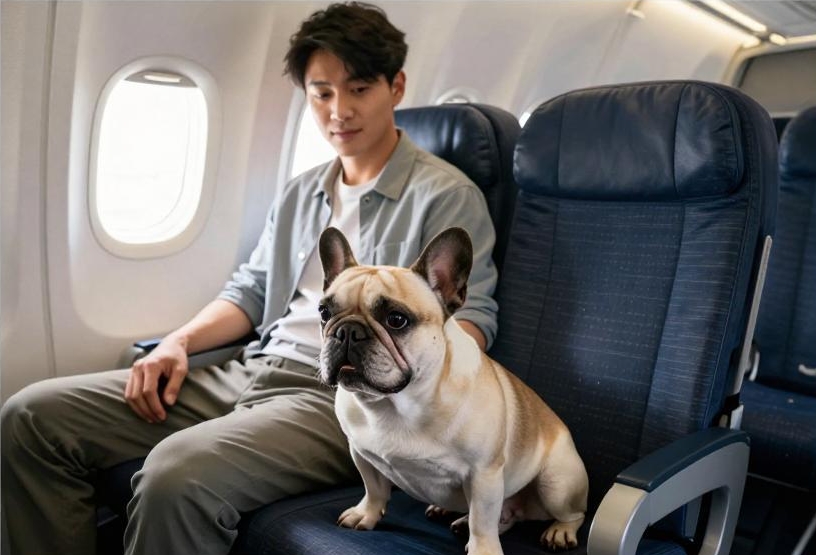
Hi all French Bulldog parents! I’m your vet friend. With over ten years of clinical practice and canine behavior guidance, I’ve witnessed countless cases where pets suffered injuries or sickness due to poor travel preparation. French Bulldogs look sturdy but are physically delicate. Short boat trips with them may sound lovely, yet they come with hidden challenges. Drawing on real cases I’ve encountered, I will share how to plan a safe, comfortable boating adventure for your beloved Frenchie.
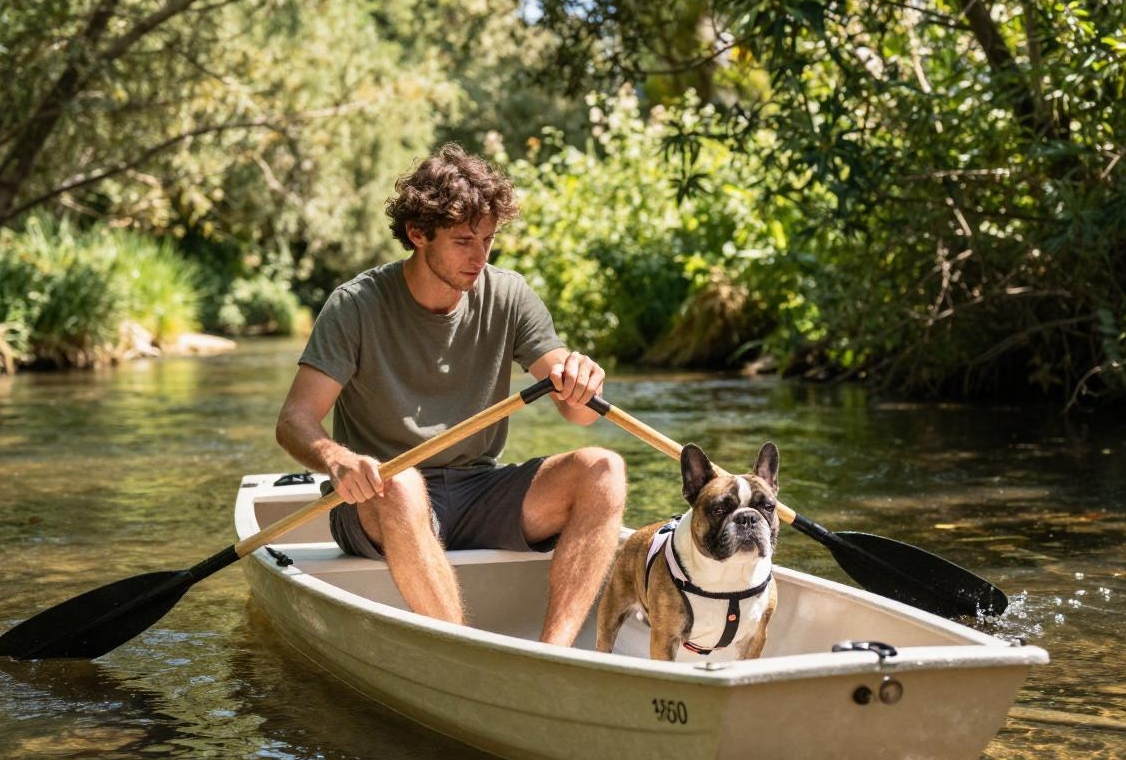
Why Extra Caution Is Required For French Bulldogs On Boats
First, understand this: French Bulldogs are not natural sailors. Their body structure makes them uniquely vulnerable to aquatic environments. This is not alarmist; it is scientific analysis based on their physical traits.
Core Risk 1: Distinct Respiratory System. French Bulldogs are brachycephalic (flat-faced) dogs, and a high percentage suffer from Brachycephalic Obstructive Airway Syndrome (BOAS). Their nasal cavities and respiratory tracts are naturally narrow, making breathing difficult easily. Engine noise, rocking waves or excitement can trigger rapid, labored breathing. Under hot and humid conditions, severe heatstroke may develop rapidly and can be fatal within a short time. I once treated an adult French Bulldog that went into heatstroke shock after just half an hour by a lakeside in summer. The rescue was extremely tense, simply because the owner ignored high temperatures and warning signs of heavy panting.
Core Risk 2: Poor Swimming Ability & Innate Fear Of Water. French Bulldogs have solid, muscular builds with disproportionate body proportions — heavy heads and broad chests, resulting in poor buoyancy balance. They are not natural swimmers. Most French Bulldogs sink quickly once in the water, struggle fiercely and face high risks of aspiration and drowning. Basic dog paddle instincts cannot keep them afloat safely.
Core Risk 3: Sensitive Skin & Stress Responses. French Bulldogs have numerous skin folds that trap dirt. Damp conditions onboard can worsen skin disorders. Meanwhile, unfamiliar surroundings, noise and rocking may trigger stress in sensitive Frenchies, showing symptoms such as anxiety, barking, trembling and loss of appetite.
Once we understand these fundamental risks, we can prepare purposefully. Below are practical, field-tested solutions.
Five Safety Strategies For A More Secure Boat Trip
Strategy 1: Pre-Trip Adaptation Training & Health Evaluation
My Experience: I once assisted a client who planned a sailboat trip with his Frenchie, Potato. Two weeks before departure, instead of boarding directly, we completed three steps:
1. Health Check: Potato received a full physical exam focusing on cardiac function and respiratory health to rule out underlying conditions unsuitable for travel.
2. Static Adaptation: We purchased a life jacket and let Potato wear it at home while playing and eating to gradually get used to the garment and eliminate unfamiliarity.
3. Dynamic Simulation: We visited a quiet dock, carried Potato onto the stationary boat with the engine off, and stayed on the deck for over ten minutes. We offered treats and encouragement to help him get accustomed to the scent and surface of this new platform.
Your Action Plan: Schedule a vet visit 1–2 weeks before travel. Buy a well-fitted dog life jacket and let your Frenchie adapt to it in advance. Take short, calm boarding experiences during off-peak hours.
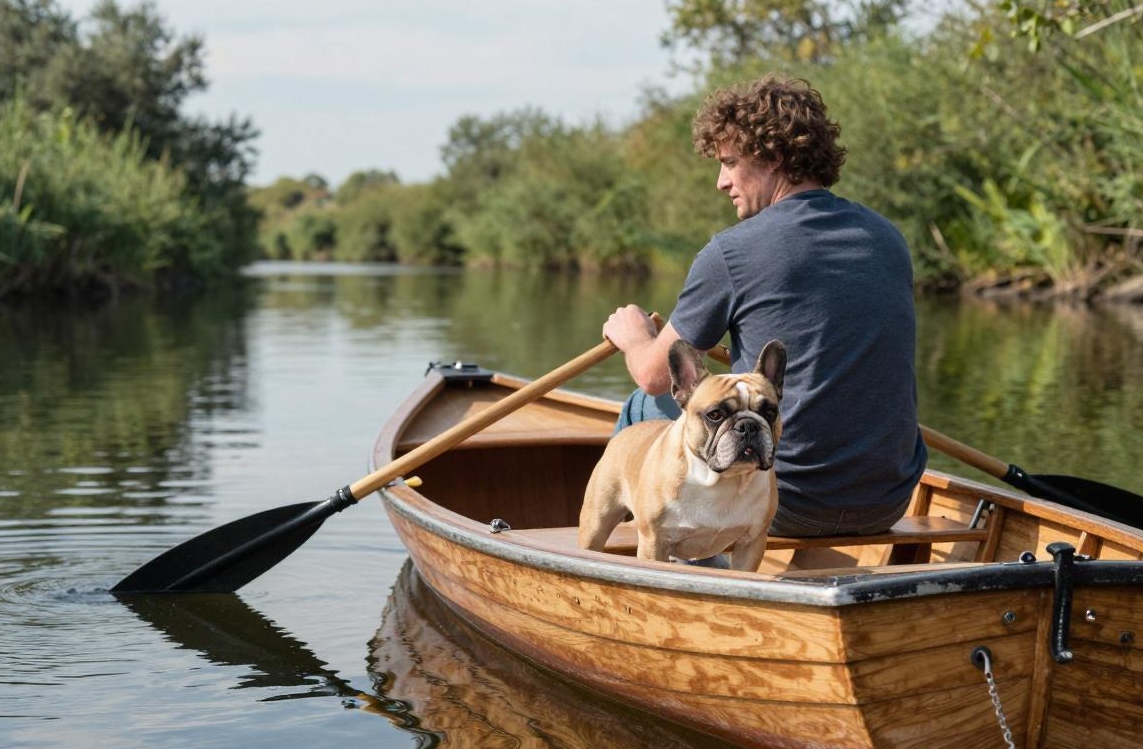
Strategy 2: Select & Properly Use Professional Flotation Gear
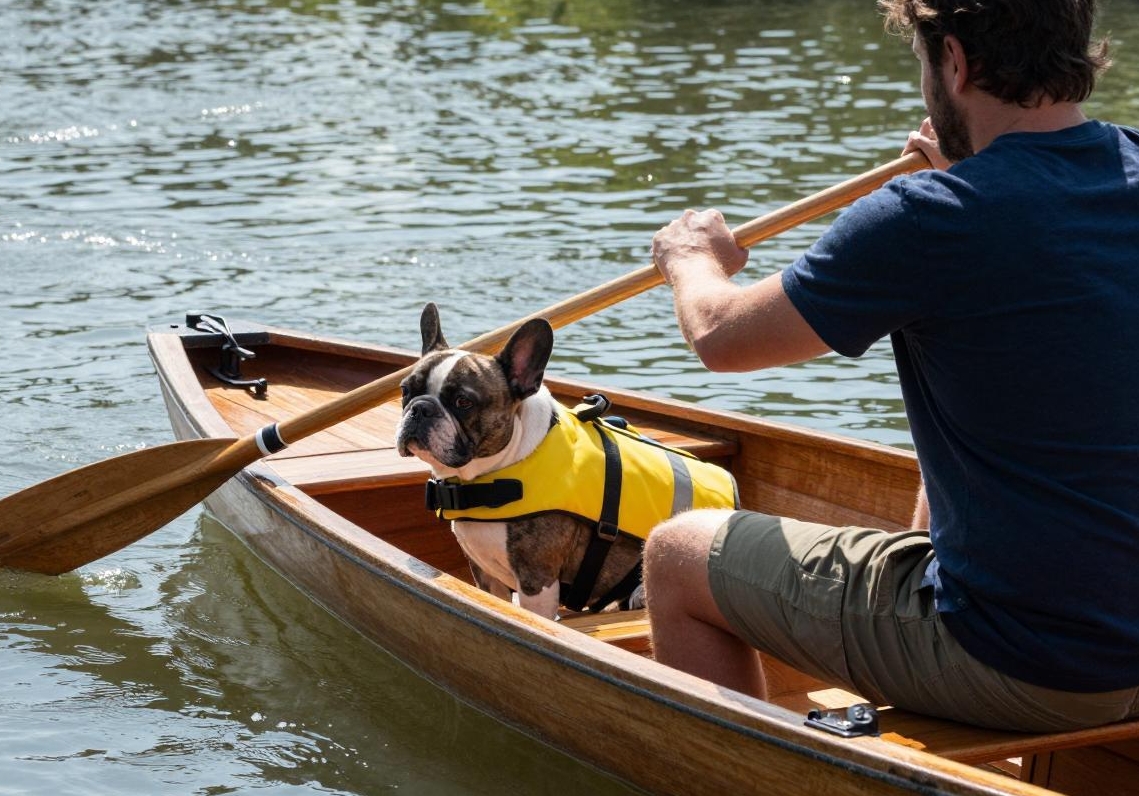
My Experience: A life jacket is not just an accessory! When choosing one for Potato, I prioritized these key features:
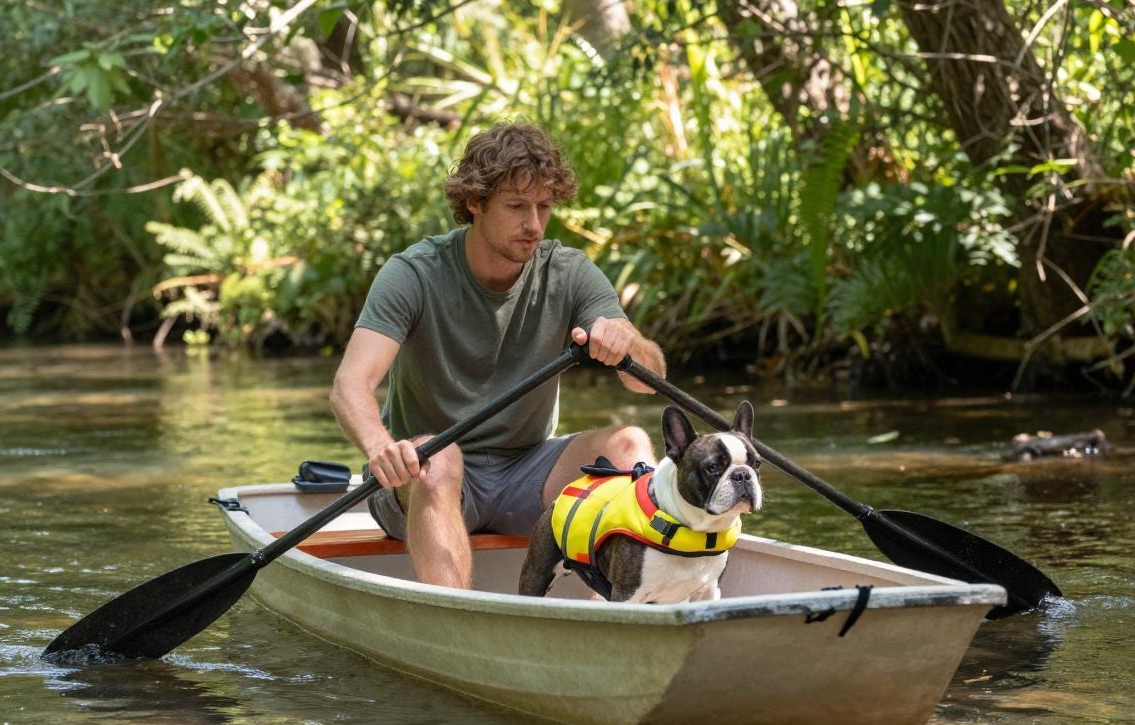
1. Buoyancy & Design: Choose models specially designed for brachycephalic or broad-chested breeds. Flotation panels should sit under the back and chest to reliably keep the dog’s head above water and maintain open airflow. I have seen many incidents where poorly designed life jackets left dogs tilting head-down and inhaling water.
2. Security & Comfort: Secure chest, belly and neck straps (not overly tight) prevent slipping out. Fabric must be soft with smooth seams to avoid chafing sensitive skin under armpits and groin.
3. High Visibility & Top Handle: Bright colors and reflective strips improve visibility in water. A sturdy top handle is critical — if your dog falls overboard, you can lift them out of the water effortlessly just like lifting luggage, a vital self-rescue feature.
Your Action Plan: Invest in a professional canine life jacket and ensure your Frenchie wears it properly every single minute on the boat, no matter how reluctant they seem. Safety allows no compromises.
Strategy 3: Prevent Heatstroke Fully & Prepare A Comfortable Rest Zone
My Experience: This is the top safety priority for French Bulldogs on boats. Decks heat up rapidly under direct sunlight. Here is my protocol:
1. Create Shade: Prepare a sheltered spot fully protected from direct sunlight, either inside the cabin or under an awning on deck. Lay damp cooling foil mats or ice mats — far more effective than ordinary cotton bedding.
2. Active Cooling: Bring a portable small fan and spray bottle. Periodically mist their belly, paw pads and behind ears with cool (not ice-cold) water and use the fan to accelerate evaporative cooling. Prepare plenty of fresh cool drinking water and encourage frequent small sips.
3. Recognize Warning Signs: Watch closely. Extreme panting with stringy drool, red or purplish gums, glazed eyes, vomiting or weakness are clear heatstroke signals. Stop all activities immediately, move your dog to the coolest ventilated area, wrap them in damp towels and return to shore for veterinary care right away.
Your Action Plan: Avoid traveling during the hottest hours (10 AM – 4 PM). Shade, ventilation, cool water and a fan are all essential. Learn to spot early heatstroke symptoms.
Strategy 4: Pack Comprehensive Emergency & Daily Supply Kit
My Experience: My pet travel bag always contains a dedicated emergency section alongside kibble, treats and toys:
1. Basic First Aid: Pet-safe iodine swabs for minor scrapes, styptic powder, elastic bandages, tweezers to remove debris from paw pads.
2. Cleaning & Protection: Large bottles of fresh water for rinsing and drinking, absorbent towels and pet wipes. Carefully wipe all skin folds especially around the face and tail base before boarding and after disembarking to keep skin dry and avoid dermatitis.
3. Identification & Contact Info: Fit the collar with a durable, legible ID tag printed with your phone number. Microchips are the most reliable form of identification; confirm your contact details are fully updated.
4. Calming Items: Bring their familiar blanket or bed carrying their scent to greatly reduce anxiety in unfamiliar surroundings.
Your Action Plan: Prepare a separate waterproof bag for emergency supplies and keep it within easy reach, not buried deep in luggage.
Strategy 5: Onboard Behavior Management & Safety Rules
My Experience: Limited, unique space onboard requires clear rules.
1. Restricted Activity Zones: Clearly define off-limit areas such as the bow, vessel edges and near the helm. Use a portable pet playpen to mark out a safe zone on deck.
2. Use A Leash: Even if the boat is anchored, attach a leash to your dog and secure the other end to sturdy fixtures on the vessel. This prevents accidental falls caused by sudden rocking or fright.
3. Stay Calm: Remain calm and cheerful yourself. Dogs sense your mood. Avoid rough chasing or energetic play onboard, as overexcitement may trigger respiratory distress or injuries.
Your Action Plan: Switch to safety management mode immediately after boarding. Mark safe zones, secure your dog with a leash and maintain steady emotions.
Mistakes To Avoid: Never Make These Common Errors
1. Mistake 1: Thinking “We’re close to shore, no life jacket needed.” Accidents happen instantly. Even near the coast, panic or water inhalation can lead to tragedy. A life jacket must be worn whenever falling overboard is possible.
2. Mistake 2: Leaving your dog unattended on deck or inside a closed cabin. Temperatures shift rapidly, risking heatstroke or cold stress. Unsupervised dogs may fall overboard without anyone noticing.
3. Mistake 3: Traveling shortly after feeding. Boat rocking easily causes motion sickness and vomiting. Feed your dog at least 3–4 hours before departure; offer only small treats and fresh water during the trip.
4. Mistake 4: Neglecting paw pad protection. Sun-scorched decks, rough planks and metal surfaces can burn or abrade delicate paw pads. Check surface temperature; consider pet booties if necessary.
5. Mistake 5: Forcing water-fearing dogs into the water. If your Frenchie shows extreme terror, never toss them into water to “train them”. This causes severe psychological trauma. Keep the trip limited to calm companionship onboard only.
Summary
Boating with your French Bulldog creates wonderful unique memories, but safety must always come first. All preparations revolve around one core idea: anticipate risks and manage them proactively. By understanding their physiological vulnerabilities, using professional gear, thorough planning, attentive care and constant supervision, we can minimize risks and turn this short voyage into a precious shared experience with your furry companion. Remember: every extra preparation you make brings far greater safety to your dog.
Important Reminder
The advice shared in this article covers general pet care and travel scenarios for preventive guidance. Every French Bulldog is an individual with different health conditions. If your dog develops persistent lethargy, breathing difficulties, repeated vomiting or diarrhea, inability to walk, confusion or any other worrying severe symptoms during or after your trip, do not wait and observe. Contact your veterinarian immediately or head to the nearest animal hospital. Do not attempt self-diagnosis and delay treatment. Professional veterinary intervention is your most reliable backup in emergencies.