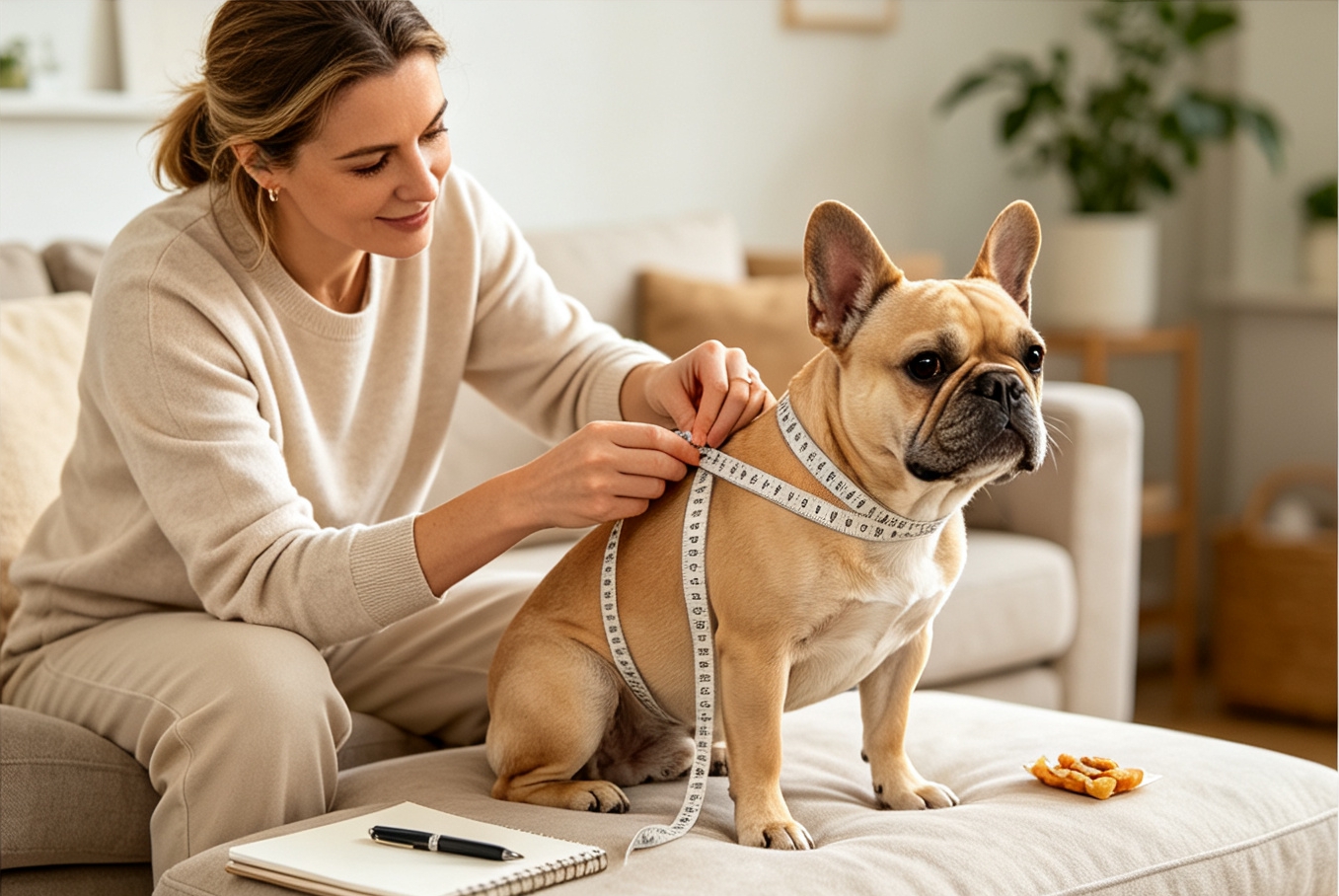
Dear French bulldog owners, hello everyone. Over the past decade‑plus, I have treated countless lovely dogs. With their distinctive charm and easy‑going personality, French bulldogs are among the most frequent “little patients” in my clinic. While working with many French bulldog households, I keep encountering one frustrating and distressing health problem: urinary‑tract infections and urinary stones. Watching these pets grow restless from painful urination, squat frequently yet pass only a few drops, or even produce blood‑tinged urine, I feel genuine sympathy as a vet and dog lover. Today I will dive deep into this topic and share practical preventive insights to keep your French bulldog free from these conditions.
Why Are French Bulldogs Especially Vulnerable?
To solve the problem, we must first understand its origins. French bulldogs are high‑risk for urinary‑system disorders due to a combination of physical anatomy and living habits.
First come inherent anatomical weaknesses. As brachycephalic dogs with short nasal passages, French bulldogs have reduced overall metabolic efficiency and poorer thermoregulation. More importantly, many French bulldogs (especially males) have relatively narrow or structurally abnormal urethras. Much like a narrow household drain pipe, mineral crystals in urine easily precipitate and build up to form stones. Once stones develop, they irritate the urethral lining and trigger infection while further obstructing urine flow, creating a vicious cycle.
Second is the widespread issue of insufficient water intake. I have observed numerous French bulldogs are naturally unmotivated to drink. This can relate to activity levels, environment and water‑offering methods. Urine carries metabolic waste out of the body. Low water intake produces highly concentrated urine with sharply elevated mineral levels, greatly raising risks of crystal precipitation and stone formation. Concentrated urine also loses its flushing, protective effect on urethral mucosa, allowing bacteria to colonize and cause infection more easily.
Lastly, diet plays a critical role. Long‑term feeding of dog food excessive in minerals (phosphorus, magnesium, calcium) or featuring low‑quality protein supplies raw materials for urinary crystals. Some owners feed human food such as meat broths and ham. These items are usually high in sodium, disrupting thirst responses, increasing kidney strain and altering urine composition.
Practical Clinical Experience: 5‑Step Defence for French Bulldog Urinary Health
With theoretical background covered, below are concrete, workable strategies drawn from my years of clinical practice and personal pet‑keeping experience. Remember the core of prevention: drink more, urinate often, control diet.
1. Clever Hydration Hacks — Make Drinking Fun
This is the point I emphasize most to French bulldog owners. If your dog refuses plain bowl water, get creative.
Boost flavour and appeal: Add a few drops of unsalted homemade fat‑skimmed chicken or bone broth to clean water. I once owned a water‑averse French bulldog named “Potato”. By mixing cooled plain chicken‑cooking broth into his water bowl, his willingness to drink improved significantly.
Another excellent option is a pet water fountain. Flowing running water fascinates many cats and dogs; the sound of running water sparks curiosity and drinking motivation. Replace water and clean bowls or fountains daily to maintain clean water sources.
2. Dietary Management: Pick Appropriate Kibble
Diet is the source of urinary health. Pay close attention when selecting food for French bulldogs at urinary risk.
Give priority to veterinary urinary‑care prescription diets or premium commercial formulas with low mineral content and balanced urine pH. Such foods dilute urine and reduce crystal formation by adjusting mineral ratios and adding diuretic ingredients. Strongly consult your veterinarian before switching food; they can give tailored advice based on urinalysis results.
Strictly avoid human meals and snacks. Over‑salty food acts as a hidden health hazard.
3. Encourage Frequent Urination — Do Not Hold Urine Too Long
Alongside boosting water intake, create opportunities for regular urination. Especially for office‑working owners:
Stick to morning‑and‑evening walks to ensure complete urination. Right after waking up and before bedtime are two key bathroom moments. If possible, a mid‑day walk (either by yourself or a helper) is ideal. If this is impossible, set up pet pee pads or indoor dog toilets and train your dog to relieve itself indoors to prevent prolonged urine retention.
Holding urine lets urine stay concentrated inside the bladder for extended periods, greatly increasing bacterial reproduction and crystal‑deposition risks.
4. Maintain Hygiene & Moderate Exercise
Female French bulldogs have shorter urethras with close proximity between the anus and urinary opening, making ascending bacterial infections more likely. Therefore regular cleaning of hair and skin around the anus and genital area is vital. Gently wipe away faecal residue with soft wet wipes after defecation.
Furthermore, moderate exercise helps manage body weight (obesity is another risk factor), boosts metabolism and blood circulation, and benefits overall health including the urinary tract. Aim for at least two 20‑30‑minute walks or play sessions every day.
5. Routine Monitoring — Stop Problems Before They Arise
Prevention should not rely only on observation; apply simple scientific checks.
I recommend French bulldog owners arrange general physical check‑ups every six to twelve months, including a urinalysis. This simple test directly shows urine specific gravity (concentration level), plus presence of crystals, bacteria, red blood cells and white blood cells. Detecting crystalluria early via diet and hydration adjustments can effectively intervene before stones develop.
At home, keep an eye on posture, volume, colour and frequency of urination. Normal urine is clear pale‑yellow. Persistently dark yellow, cloudy or blood‑streaked urine, plus signs of pain, arching back or whimpering while urinating, are urgent warning signs.
Mistake‑Avoidance Guide: Steer Clear Of These Common Misconceptions
Well‑intended mistakes can backfire during prevention:
Misconception 1: Focus only on quantity, ignore water quality. Mineral‑rich mineral water or hard water may cause excess mineral intake. Cooled boiled water or filtered purified water are safer alternatives.
Misconception 2: Blind supplementation. Giving calcium tablets, vitamins or other supplements without veterinary guidance may upset mineral balance and promote stone formation.
Misconception 3: Assuming cured stones mean no further concerns. Urinary stones have high recurrence rates. Even after surgical removal or medical dissolution, long‑term dietary management and hydration supervision must continue without slackening.
Summary
Preventing urinary‑tract infections and urolithiasis in French bulldogs demands patient, attentive long‑term management. There is no miracle drug; success lies in consistent daily routines: promote ample water intake, frequent urination, proper diet, regular hygiene and periodic examinations. As your dog’s most trusted family, your scientific care forms their strongest health safeguard.
Important Reminder
Please note all strategies shared serve for daily prevention and health management. If you spot any abnormal signs including straining to urinate, blood‑tinged urine, complete urinary obstruction, lethargy or loss of appetite, do not delay — take your dog straight to a licensed veterinary clinic. Full urinary blockage can trigger fatal uraemia and kidney failure within 72 hours; every hour counts. Professional diagnostics such as ultrasound and X‑ray plus timely treatments including catheterization, surgery and medication must be performed by a licensed veterinarian. Entrusting professional work to professionals is the greatest responsibility toward your pet.