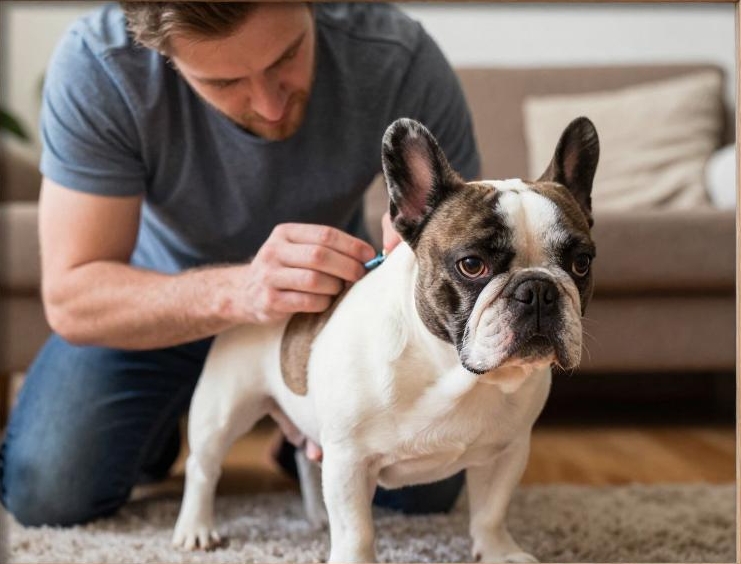
Dear French bulldog owner. When you open this article, I guess you may be facing a sweet trouble: you are about to move or have just moved into a new home with your beloved French bulldog, yet notice something off with him. He may cower trembling in corners, lose interest in his favourite treats, bark for no reason at night, or even show regressive behaviours such as indoor urination. Seeing his uneasy state, you must feel distressed and worried. Rest assured, this condition is known as “environmental stress” in pet behaviour science and is extremely common, especially for emotionally sensitive and occasionally stubborn breeds like French bulldogs. Over the past ten years, as a veterinarian and dog trainer, I have helped countless families like yours get through this transition period. Today I will systematically share my experience to help your French bulldog regain that familiar sense of safety and happiness.
Why Does Moving Hit French Bulldogs So Hard?
To solve the problem, we first need to understand its root causes. French bulldogs win countless families’ hearts with their goofy‑looking appearance and affectionate clingy personality. Precisely these traits make them more sensitive to drastic environmental changes than more easy‑going dog breeds.
Root Cause 1: Collapsed sense of order and security. Dogs, especially French bulldogs, live relying on familiar “mental maps” and routines. In the old house, which corner serves as his safe den, which floor spot gets afternoon sunlight for napping, what sounds to expect near the door — all these build certainty in his world. Moving means this carefully built life map is completely reset. Massive uncertainty directly triggers survival‑mode anxiety, similar to humans suddenly being dropped in an unfamiliar foreign country with a language barrier.
Root Cause 2: Complete sensory overload. The new home is flooded with unfamiliar smells, sounds, light and spatial layouts. French bulldogs have an extremely powerful sense of smell: odours from building materials, faint residual scents from previous residents, strange traffic noise outside windows, neighbours’ footsteps. All these unprocessed stimuli flood in, putting their brain in constant high alert and exhaustion and triggering stress.
Root Cause 3: Breed‑specific physical and psychological traits. As brachycephalic dogs, French bulldogs are inherently prone to breathing issues. Rapid panting under anxiety worsens physical discomfort. Meanwhile they form extremely deep emotional bonds with owners. This attachment manifests as loyalty on the positive side, yet can worsen separation‑anxiety tendencies on the negative side. Environmental changes may be misinterpreted as a sign of abandonment.
With this understanding, we know their “misbehaviour” or behavioural regression is not deliberate mischief. It is their desperate cry: “I am scared, what is happening to my world?” Our job is to be their guide and anchor, helping them redraw their mental map of the new world.
Five Field‑Tested Solutions for a Smooth Transition
Theory aside, let’s move to practical steps. These strategies are not imaginary; they combine animal‑behaviour science and ten years of real‑world cases including my own experience moving with dogs. Remember, patience and consistency are critical.
Solution 1: Advance Preparation & Scent‑First Strategy — Pack Security From the Old Home
Moving preparation should start one week ahead, not only on moving‑in day.
My real‑world case: I once assisted a French bulldog named “Doubao” adapt to relocation. Three days before moving, I advised the owner to bring Doubao for two short visits to the new house, staying only 15‑20 minutes each time with plenty of treats and petting, building the initial association “good things happen in this new place”. More importantly, familiar blankets, food and water bowls, and well‑chewed old toys were placed in one fixed room in the new home (future bedroom).
Step‑by‑step implementation:
1. Reserve a safe room: Select a relatively quiet, moderately‑sized room such as secondary bedroom or study as his initial safe base. During chaotic moving‑day activity, confine your French bulldog here with his familiar belongings. Keep the door ajar or use a baby gate so he can observe surroundings while having a retreat zone.
2. Scent transfer: Do not rush to wash blankets or bedding from the old den. Those familiar home scents act as his best calming agent. You may cut a small piece of his used bed sheet and place it in the new bed in advance.
3. Keep consistent belongings: Reuse old food bowls, water bowls and toys; avoid replacements temporarily. Familiar items serve as life rafts in this strange new environment.
Solution 2: Leverage Pheromones & Calming Tools — Create an Invisible Hug
These are modern pet‑behaviour science tools that physically help ease anxiety.
My real‑world case: My own dog suffered thunder‑storm anxiety when young. Plug‑in pheromone diffusers delivered noticeable improvements. Later I applied them for moving scenarios and found they effectively lower perceived environmental threat levels.
Step‑by‑step implementation:
1. Dog‑appeasing pheromones: Plug‑in diffusers and spray formulations are available. Plug diffusers in the safe room and main activity zones 24 hours before move‑in. They mimic calming pheromones released by lactating mother dogs, sending the signal “this place is safe”. Spray can be applied to beds, travel crates or resting spots.
2. Anti‑anxiety compression wraps: Products like Thundershirt apply gentle constant pressure similar to a comforting hug and work wonders for many French bulldogs. Use them during transport and for the first few sensitive days in the new home.
3. Calming music: Play low‑volume dog‑specific relaxation tracks or classical music in daytime. It masks unsettling unfamiliar background noise and builds a peaceful atmosphere.
Solution 3: Rebuild Daily Routines & Stress‑Reduction Exercises — Fight Anxiety With Predictability
The greatest antidote to canine anxiety is predictability. Establishing stable new daily rhythms greatly boosts their sense of control.
My real‑world case: After arriving at the new home, Doubao barely ate or drank for the first two days and just lay listlessly. I instructed the owner not to force feeding but strictly stick to a fixed schedule: offer meals for 15 minutes then remove leftovers, take him to the same spot for potty breaks on schedule even if he does not eliminate, run short interactive play sessions at set times. By day three he voluntarily walked toward his food bowl at mealtime.
Step‑by‑step implementation:
1. Stick to routines: Keep feeding, walking, play and sleeping times as close to the old schedule as possible or rapidly form new stable rhythms. Routine itself brings security.
2. Search‑game stress‑reduction training: This is my top‑recommended behavioural therapy. Hide high‑value treats such as small cooked chicken‑breed pieces around the new house (make them very easy to find at first) and give a “search” cue. This activates innate foraging instincts, shifting mental focus from environmental fear toward excited exploration. Finding treats delivers powerful positive reinforcement. Run 2‑3 sessions daily, 5 minutes each, to greatly improve positive associations with the new space.
3. Maintain quality interaction without over‑comforting: Offer reassurance when he shows fear, yet mind your delivery. Speak in calm cheerful tones and give gentle pets. Avoid excessive tense hugging while he trembles or whines, as dogs may interpret this as confirmation “my fear is justified because my owner is stressed too”. The correct mindset: “I know this feels strange, but everything is safe and I am here for you.”
Solution 4: Phased Exploration & Positive Associations — Draw a New Happiness Map
Do not expose your dog to the entire large empty new home all at once; this is like throwing a water‑phobic person straight into deep ocean. Act as a guide and lead him through zone‑by‑zone staged exploration.
Step‑by‑step implementation:
1. Expand outward from the safe base: Let him stay mostly inside the safe room for the first 1‑2 days. Then leash‑guide him to explore the adjacent living room. Scatter treats on the floor for him to sniff out. After exploring each new zone, bring him back to the safe room to rest.
2. Build happy stations: Create positive associations across different areas of the new home. For example, offer his favourite beef knee bone near the balcony door (linking sunshine and tasty rewards); play tug‑of‑war beside the living‑room sofa (linking play and bonding). Ensure every major area holds at least one pleasant memory.
3. Outdoor exploration matters too: Patiently build walking routines for the new neighbourhood. For initial days stick to the same short route at consistent times so he becomes familiar with local trees and lampposts (scent‑marking spots). Expand routes gradually once he appears relaxed on that short path.
Solution 5: Meet Basic Needs & Monitor Health — Physical Comfort Underpins Mental Calm
Stress makes bodies vulnerable, and physical discomfort further amplifies anxiety creating a vicious cycle.
My reminder: I once handled a case where a French bulldog lost appetite after moving. The owner paid little attention until vomiting appeared, and exams revealed stress‑induced acute gastroenteritis. Basic monitoring is essential.
Step‑by‑step implementation:
1. Guarantee drinking‑water access: Always provide clean fresh water. Anxiety and investigative sniffing raise dehydration risk.
2. Diet adjustments: Temporarily mix small amounts of highly palatable food such as unsalted chicken broth or wet food into kibble to spark appetite, but avoid abrupt full food switches.
3. Monitor elimination habits: Track frequency and consistency of urine and stool. Stress‑triggered diarrhoea or constipation are common.
4. Observe breathing and rest patterns: Pay special attention to abnormal rapid panting (rule out heat and exercise causes), and check whether he reaches genuine deep sleep with eyelid twitching or only sleeps lightly and startles easily.
Mistake‑Avoidance Guide: Common Practices That May Backfire
Deep affection sometimes leads to improper handling. When helping your French bulldog adapt, avoid these pitfalls:
1. Forcing socialisation or exploration: Never drag a fearful dog into the middle of a room or force interactions with neighbours’ dogs. Let him set his own exploration pace while you provide encouragement and safety support.
2. Punishing behavioural regression: Accidental indoor soiling or furniture‑chewing in the new home is anxiety‑driven release, not defiance. Punishment links the new house to bad experiences and worsens stress. Clean calmly and actively redirect him to appropriate spots instead.
3. Passing owner‑anxiety onto the dog: Dogs read human emotions extremely well. If you feel frazzled from moving chores and your dog’s discomfort, that stress transfers directly to him. Regulate your own breathing and mindset first; your composure is his best role model.
4. Too many visitors too soon: You may want house‑warming gatherings right after moving. Give your dog 1‑2 quiet adaptation weeks before slowly introducing one or two familiar guests. Sudden crowds become fresh stress triggers.
Summary
Helping a French bulldog settle after moving is essentially an emotional‑rebuilding process. Replace blame with understanding, coercion with guidance, impatience with patience. Lay foundations via scent transfer, use pheromone and other calming aids, supply behavioural support through rebuilt routines and stress‑reduction exercises, build positive memories through phased exploration, and keep close health monitoring. This process usually takes 1‑4 weeks, grant sufficient time for both you and your dog. When you see him sprawl comfortably in the new‑home sunlight and let out that familiar content huff, you will know all your efforts paid off — you share a brand‑new secure home together.
Important Reminder
While most environmental‑stress symptoms gradually ease with time and methods above, stay alert. Contact your veterinarian or veterinary behaviourist promptly if your French bulldog shows any of the following after moving:
1. Complete refusal of food and water lasting over 48 hours.
2. Repeated vomiting, severe diarrhoea or bloody stools.
3. Laboured breathing, excessive panting (not caused by heat or exercise) or abnormal gum colour.
4. Extreme aggression or self‑mutilation such as obsessive licking and biting until skin breaks.
5. Anxiety signs (trembling, hiding, whimpering) show zero improvement or worsen two weeks after implementing relief measures.
Professional medical care rules out physical illness and may prescribe short‑term anti‑anxiety medication paired with behavioural modification for comprehensive support. Your dog’s health and well‑being remain our shared top priority.