Hello everyone. Having cared for countless pets and their owners for more than ten years, I am frequently asked: “Doctor, my French bulldog’s paw pads feel like sandpaper — dry, hard, and some spots have small cracks. It is heartbreaking to see. What should I do?” Paw‑pad issues are extremely common for active yet skin‑sensitive breeds such as French bulldogs. Today, as an experienced friend and professional, I will go into detail about cracked paw pads in French bulldogs and share field‑tested, effective repair techniques.
Why Do French Bulldog Paw Pads Get Injured Easily?
Before presenting solutions, we must identify underlying causes. Cracked and rough paw pads in French bulldogs rarely happen by chance; they usually result from a combination of these factors:
1. Innate skin structure: French bulldogs are short‑haired dogs with relatively weak skin barriers. They produce less protective sebum than many long‑haired or oily‑skin breeds. Without sufficient natural oil protection, their paw‑pad keratin layers lose moisture and turn dry easily.
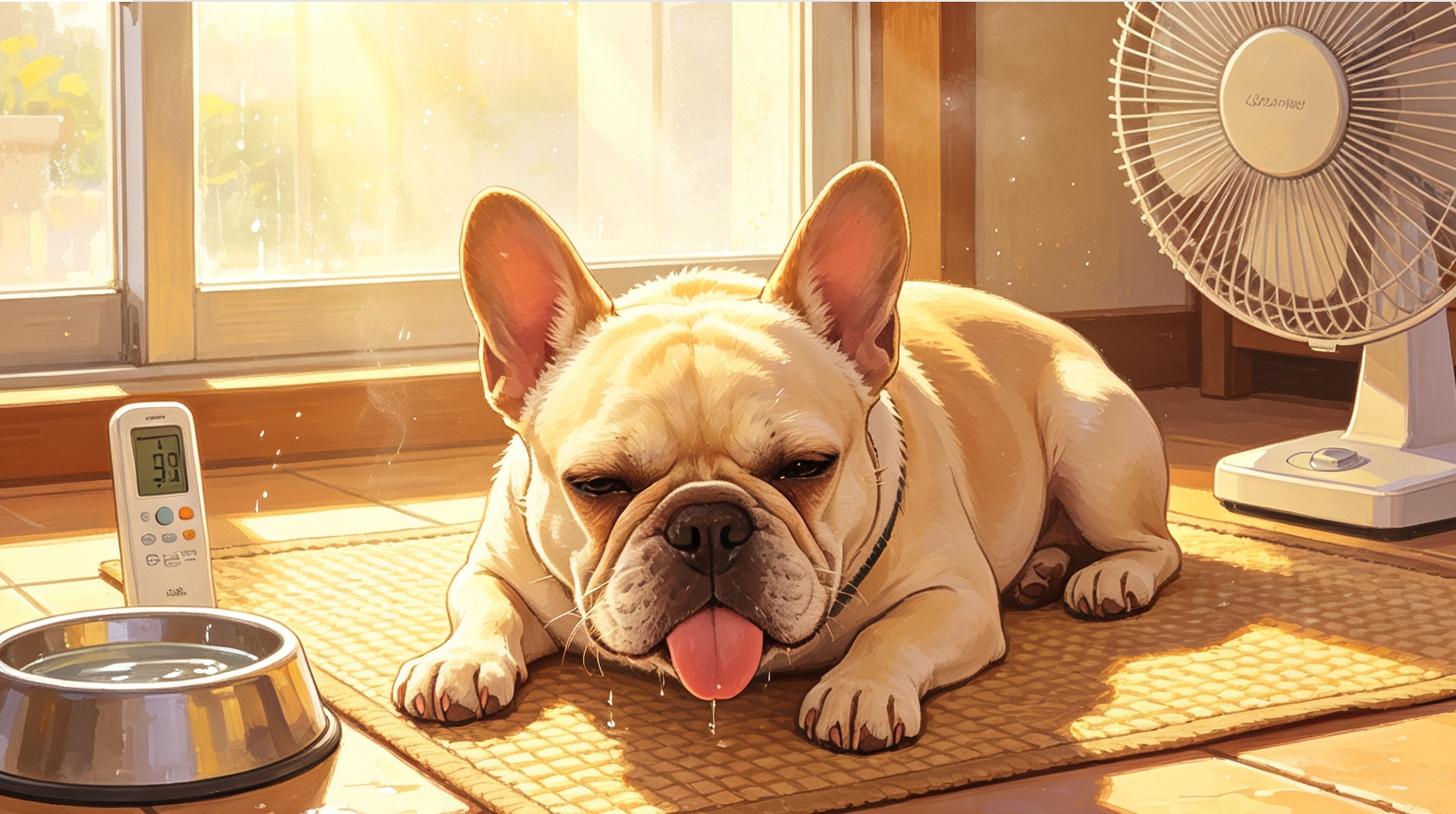
2. Environment & walking surfaces: This is the most direct external trigger. Rough concrete, over‑hot ground (summer asphalt and tiles), freezing icy pavements, plus dry indoor heating all accelerate moisture loss and keratin abrasion on paw pads. French bulldogs carry considerable body weight, creating high pressure on paw pads during walking and increasing wear‑and‑tear.
3. Improper or excessive cleaning: Many owners rinse dog paws directly with water after outdoor walks or wipe them with damp towels without thorough drying. Evaporation pulls moisture out of paw pads, making them drier after each wash. Meanwhile, harsh alkaline human‑formulated cleaners damage the fragile pH balance and sebum film of paw pads.
4. Nutritional deficiencies: Insufficient dietary essential fatty acids (Omega‑3, Omega‑6), vitamin E, zinc and other trace minerals impair skin and paw‑pad regeneration and natural moisturizing capacity.
5. Age & underlying diseases: Senior dogs have slower metabolism and reduced skin elasticity, so paw pads thicken and crack more readily. In addition, certain endocrine disorders such as hypothyroidism and autoimmune diseases may manifest as abnormal skin and paw‑pad conditions.
I once treated a French bulldog named Tank. His owner commuted to work and stuck to fixed walking routes on community concrete and stone pavements. Full of energy, Tank trotted heavily. Before turning three years old, his paw pads were thick with calluses with obvious edge fissures and felt extremely rough. The owner tried petroleum jelly with minimal improvement. This is a typical case caused by environmental abrasion plus lack of targeted care.
Three Core Steps To Restore Soft, Supple Paw Pads For French Bulldogs
Drawing from Tank’s case and my long‑term clinical experience, repairing cracked paw pads demands systematic care rather than occasional topical application. Please combine all three steps below.
Step 1: Gentle Cleaning & Inspection — Lay The Foundation For Repair
Cleaning forms the first step of any grooming routine, yet paw‑pad cleaning requires proper technique.
My practical procedure: Prepare a shallow basin, soft pet‑specific paw‑washing foam (or diluted mild fragrance‑free pet shampoo), plus a microfiber towel or cotton wipes. After walks, immerse dog paws in the basin and clean gently, rubbing carefully between toes to remove trapped dirt and bacteria. Then comes the critical step: towel‑dry paws thoroughly, especially between toes. I sometimes use a hair‑dryer on low‑heat setting held at a distance to guarantee complete dryness.
Practical tip: Cleaning is also an ideal inspection opportunity. Examine every paw pad and toe gap for fresh cracks, foreign objects (small pebbles, glass shards), redness or abnormal growths. Early detection prevents minor issues from worsening. While deep‑cleaning Tank one time, I spotted a tiny grit particle wedged inside a large paw‑pad crack — one likely source of his persistent discomfort.
Step 2: Scientific Moisturizing & Repair — Choose The Right Paw‑Care Product
Once paws are fully clean and dry, replenish nutrients and moisture to paw pads. Important reminder: Do NOT use human hand creams or body lotions! Complex ingredients may contain substances toxic to dogs such as dimethicone, and dogs will lick their paws, creating safety risks.
My recommended solution: Use veterinarian‑formulated canine paw balm or repair ointment. Quality products contain natural moisturizers (shea butter, coconut oil, beeswax), repairing agents (vitamin E, aloe vera), plus safe antibacterial components.
I prescribed a simple‑ingredient canine paw balm for Tank. Correct application matters greatly: 1. Scoop a soybean‑sized amount and rub between fingertips to soften. 2. Gently massage onto every paw pad, focusing on dry zones and cracks; massage boosts absorption and local blood circulation. 3. After application, place an Elizabethan collar on the dog temporarily or engage it in play, to distract attention and allow roughly 15‑20 minutes for full absorption before licking occurs. We applied the balm once nightly before bedtime.
Outcome observation: After approximately one week, Tank’s owner happily reported paw pads felt far less abrasive, and hardened edge skin showed signs of softening and shedding. After three consecutive weeks of use, most small cracks healed, and paw‑pad softness and elasticity improved visibly. This case proves professional products paired with consistent correct application deliver noticeable results.
Step 3: Internal‑Plus‑External Care — Dual Management Of Nutrition And Environment
Topical treatment addresses symptoms; internal conditioning plus environmental adjustments target root causes.
Nutritional supplementation: Add skin‑supporting nutrients to daily meals. Alongside regular kibble you may appropriately offer: Omega‑3‑rich fish oil (high in EPA and DHA), one vitamin E softgel (pierce and squeeze contents over food), or a small spoonful of coconut oil. These internally enhance skin moisturizing and regenerative capacity. Always consult your veterinarian before adjusting diets.
Environmental improvements: Avoid walking on asphalt pavement during midday heat. If unavoidable, fit your dog with well‑fitted pet boots; note dogs require adaptation time for footwear. Indoors, heating in winter and air‑conditioning in summer dry household air. Run a humidifier to maintain proper humidity, benefiting both canine skin and respiratory tracts.
Mistake‑Avoidance Guide: Practices That Worsen Paw‑Pad Conditions
Steer clear of these common pitfalls during repair:
1. Never forcibly trim or tear loose dry skin: Do not pull hanging dry skin by hand or snip randomly with scissors! This easily damages the dermal layer, triggering bleeding, infection and deeper fissures. Allow aged keratin layers to soften and shed naturally through ongoing moisturizing.
2. Skip unproven home remedies: Online hacks such as vinegar soaks or herbal compresses lack scientific backing. They may irritate skin or trigger allergic reactions; do not experiment casually.
3. Do not neglect toe gaps: Toe spaces also require grooming. Trapped moisture breeds bacteria and fungi leading to pododermatitis, which may cause thickening and ulceration easily mistaken for simple cracking.
4. Dog boots are not a universal fix: Pet boots offer great protection under extreme weather yet should not be worn non‑stop. Non‑breathable footwear traps sweat and heat and may cause new problems. Select well‑ventilated, properly sized boots and remove them regularly to let paw pads “breathe”.
Summary
Treating rough, cracked paw pads in French bulldogs calls for patience and careful attention. It is not a single quick action but a systematic workflow covering routine gentle cleaning, sustained moisturizing repair with professional products, plus comprehensive internal‑nutritional and environmental management. Remember prevention beats treatment. Add paw‑pad inspection and grooming to your daily pet‑care routine, so your French bulldog can enjoy healthy, soft paw pads built for joyful running.
Important Reminder
Please stop home grooming immediately and consult your veterinarian promptly if you observe any of the following:
1. Very deep paw‑pad cracks with bleeding or pus discharge.
2. Severe redness, heat, pain on paw pads or toes; frequent licking‑biting or lameness.
3. Additional skin abnormalities across the body besides paw pads, such as hair loss, dandruff or rashes.
4. No improvement or continued deterioration within 2‑3 weeks despite proper home care.
These signs may indicate complicated skin disorders, infections or systemic illnesses requiring professional veterinary diagnosis and treatment. All household care assumes mild symptoms without secondary infection. Love your dog by providing science‑backed, safe care.