Dear pet owner, this is your long‑time friend, a practitioner with ten‑year experience in veterinary medicine and canine behaviour. I fully understand that for owners who adore their pets, the biggest worry while away on business trips or holidays is their furry companion at home. This is especially true for French Bulldogs: charming yet requiring extra careful handling. Leaving them with neighbours or friends often leaves you anxious, fearing unclear instructions may cause distress to your beloved dog.
Why Extra Care Is Required When Entrusting a French Bulldog
Before going through the practical checklist, you need to understand breed‑specific traits. Caring for them means far more than simply pouring kibble and water. As brachycephalic (short‑nosed) dogs, behind their cute flat faces lie notable health risks requiring close attention. First, their respiratory system: narrow airways make them prone to breathing difficulties, heat intolerance and exhaustion from heavy exercise. Heatstroke can strike in hot weather and may turn life‑threatening. Second, numerous skin folds raise risks of dermatitis and infection without timely cleaning and drying. Third, many suffer food allergies and have sensitive gastrointestinal tracts. Lastly, while generally gentle, French Bulldogs can be stubborn; they thrive on consistent commands and stable surroundings. Therefore, a neighbour‑oriented feeding checklist doubles as a special‑care and emergency‑response manual for your French Bulldog.
Personal Experience & Core Solutions
Several years ago I went on an urgent two‑day business trip and left my French Bulldog Dudu with a well‑meaning next‑door neighbour who had zero dog‑keeping experience. I thought I had explained everything clearly. Upon returning, I found the neighbour, out of fondness, had fed large amounts of ham sausage and human snacks. Dudu developed severe gastroenteritis with vomiting and diarrhoea, leaving me heart‑broken and regretful. That incident taught me hand‑over information must be highly standardised and visual. Since then I have created a detailed Temporary Hand‑Over Manual for French Bulldogs for myself and my clients.
Solution 1: Prepare an Illustrated Daily‑Routine Checklist
Do not rely solely on verbal briefings. Always prepare written or digital documentation. Make a simple table; print it out to stick on the fridge or send it via WeChat to your neighbour.
Core checklist template items:
1. Feeding: Clearly write down food brand, exact gram portions (attach photo of measuring scoop), feeding frequency (usually morning and evening). Explicitly ban all table scraps, list allowed treats and state daily maximum quantity.
2. Water: Stress the need for constant fresh cool boiled water and daily water‑bowl cleaning.
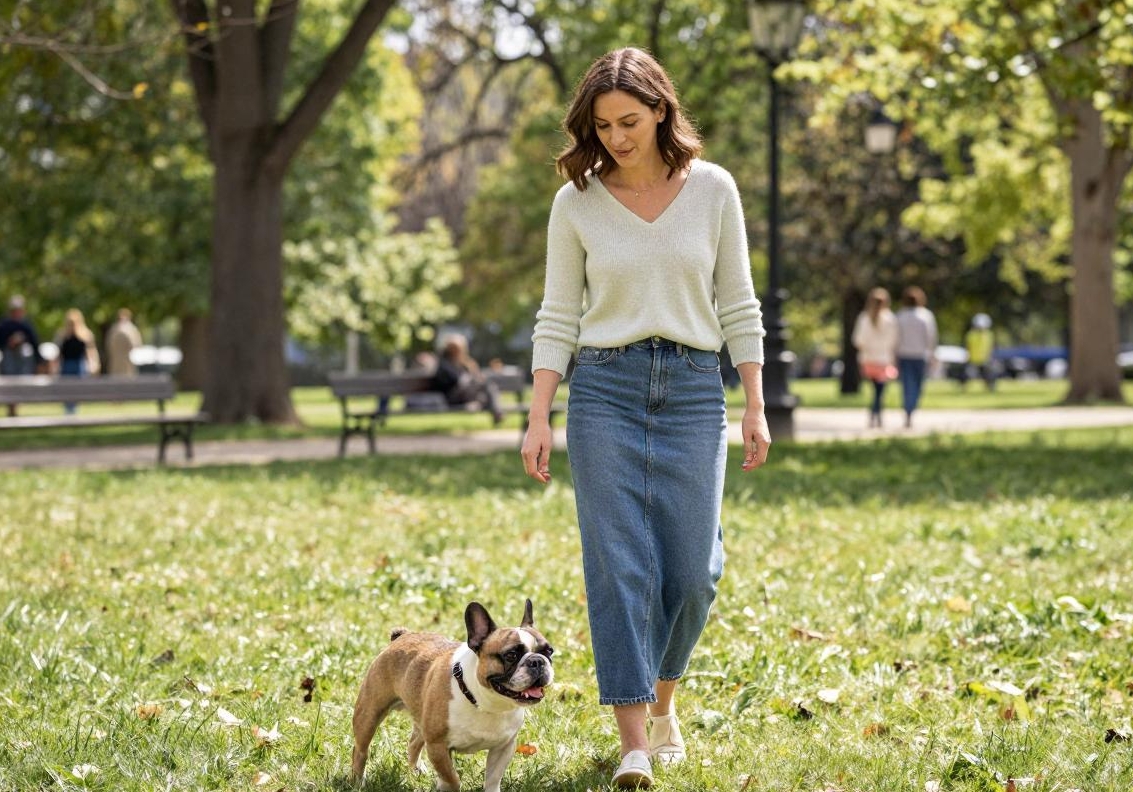
3. Toilet walks: Note usual walking hours (e.g. 7 a.m., 7 p.m.) and approximate duration (15‑20 minutes for French Bulldogs). Avoid outings under scorching sun. Instruct the sitter to monitor stool consistency (well‑formed is ideal) and provide waste‑disposal poop bags.
4. Rest & activity: Clarify French Bulldogs do not need heavy exercise. Stick to gentle indoor play; prevent over‑excitement and excessive running. Mark where favourite toys are kept.
5. Facial & skin care: Critical task! Supply pet‑specific wet wipes. Write in the checklist: “Each night before bedtime, gently wipe facial folds (especially above nasal bridge and mouth corners) then pat dry with dry tissue.” Add simple diagrams. This effectively prevents eczema.
Solution 2: Clear Health‑Monitoring & “No‑Go” Warnings
Create a highlighted separate section (e.g. red border):
Strictly Forbidden:
‑ Never leave the dog on balconies, inside cars or any potentially over‑heated space for long periods!
‑ Avoid walks during midday heat. If breathing becomes loud (snoring‑like sound) or tongue turns deep‑red/purplish, stop activity at once, move to shade and offer drinking water.
‑ Foods strictly off‑limits: chocolate, grapes, onions, xylitol (common in sugar‑free goods), cooked chicken bones etc.
Symptoms requiring immediate contact with me:
‑ Frequent scratching of skin or ears.
‑ More than one episode of vomiting or diarrhoea.
‑ Complete refusal of food and water.
‑ Lethargy and slow response when called.
Solution 3: Assemble an Emergency Supply Kit
Prepare a box placed in an obvious spot containing:
‑ Sufficient dog kibble and pre‑portioned food bags.
‑ Approved treats.
‑ Pet wet wipes and poop bags.
‑ Spare food bowl and water bowl.
‑ Familiar blanket or mat (familiar scents help the dog stay calm).
‑ Most important: Printed pet‑hospital details (name, address, 24‑hour phone number), plus your full contact information. Notify the veterinary clinic beforehand that your neighbour may bring the dog for emergency treatment within the given time window; grant them authorisation for urgent care.
Solution 4: Complete an On‑Site Hand‑Over Practice Session
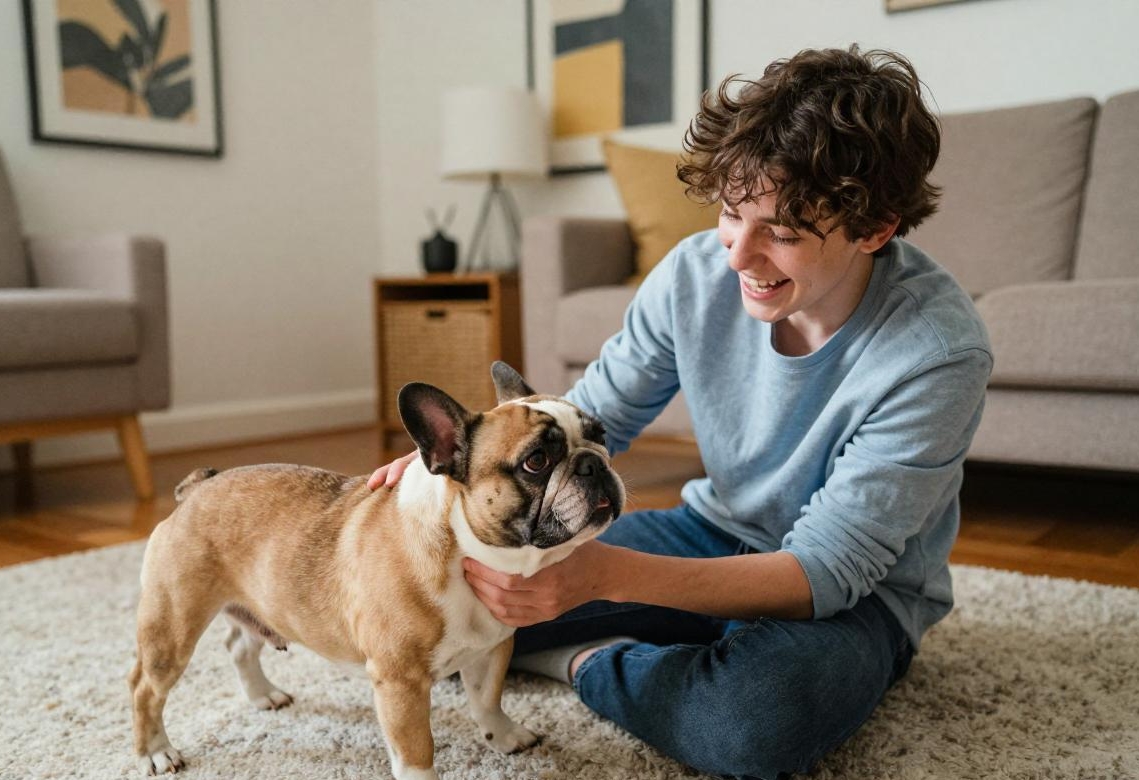
The day before departure, invite your neighbour to your home for a 15‑minute hands‑on briefing. Point to the checklist while demonstrating: measuring kibble, cleaning facial skin folds, attaching the leash, preferred toilet spots and so forth. Let the neighbour perform each task themselves and offer positive encouragement. This builds their confidence and reveals gaps in your instructions you might otherwise overlook.

Solution 5: Moderate Communication & Gratitude
While away, send short friendly WeChat messages at a fixed daily time (e.g. afternoon) and thank your neighbour again. Ask them to send brief videos or photos of the dog; this eases your longing and lets you remotely check wellbeing. Avoid excessive messages; give your neighbour trust and personal space. Upon returning home, present a thoughtful gift in‑person to show appreciation. This nurtures good neighbourly relations and lays groundwork for future pet‑sitting arrangements.
Pitfall‑Avoidance Guide: Do Not Overlook These Details
1. Never assume prior knowledge: Even if your neighbour owns dogs, habits vary greatly between breeds and individual animals. Cover every key point thoroughly.
2. Hiding health conditions is risky: If your dog takes medication or suffers chronic issues (joint problems, allergy history etc.), disclose everything and write clear dosing instructions.
3. Home‑safety inspection: Before hand‑over, remove small ingestible objects and secure loose wires to create a safe environment for both the temporary carer and the dog.
4. Reliable key hand‑over: Provide a physical spare key to your neighbour rather than relying on temporary smart‑lock passcodes, to avoid lock‑out risks caused by technical failures.
Summary
The key to successful neighbour‑based pet‑sitting for French Bulldogs is translating professional veterinary knowledge into simple, low‑effort instructions ordinary people can follow. A thorough checklist, hands‑on practice session, well‑stocked supply kit and clear emergency workflow allow you to travel stress‑free. Your helpful neighbour will also feel capable and rewarded. Ultimately your French Bulldog enjoys a stable, comfortable stay inside familiar surroundings. Thoughtful preparation shows love for your dog and respect for your neighbour’s kindness.
Important Reminder
The guidance shared applies to short‑term routine care for healthy adult dogs. French Bulldogs are prone to sudden health crises including severe breathing distress, heatstroke, acute allergic reactions, persistent unexplained vomiting or diarrhoea. If worrying serious symptoms appear during pet‑sitting, stop online searching immediately, reach out to your vet or head straight to the nearest 24‑hour emergency animal hospital. Timely professional veterinary intervention forms the most critical safeguard for your dog’s health and safety.