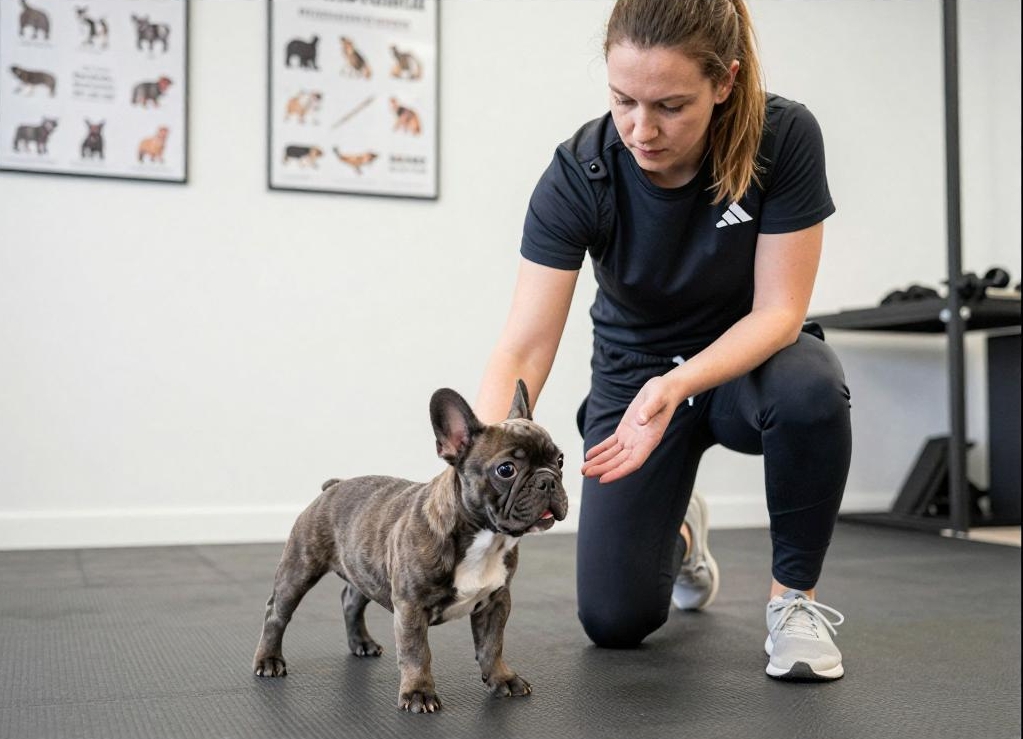
Why Does Your French Bulldog Ignore Balls? — A Common & Frustrating Problem
Hello everyone. I have worked in canine behaviour training for ten years. During this decade, I have trained hundreds of dogs, and French Bulldogs are definitely among the most memorable “students”. I often hear Frenchie owners complain: “Trainer, my little lazy pup could not care less when I throw a ball. It glances away, turns around and walks off, or simply sits and stares at me, as if saying ‘You threw it, you get it.’” Does this sound familiar? It’s tough watching Golden Retrievers and Border Collies joyfully sprint to fetch toys while your Frenchie stays laid-back and uninterested. Today we will thoroughly cover how to overcome this challenge, inspire your French Bulldog to enjoy “working”, and turn them into an interactive companion that happily fetches objects.
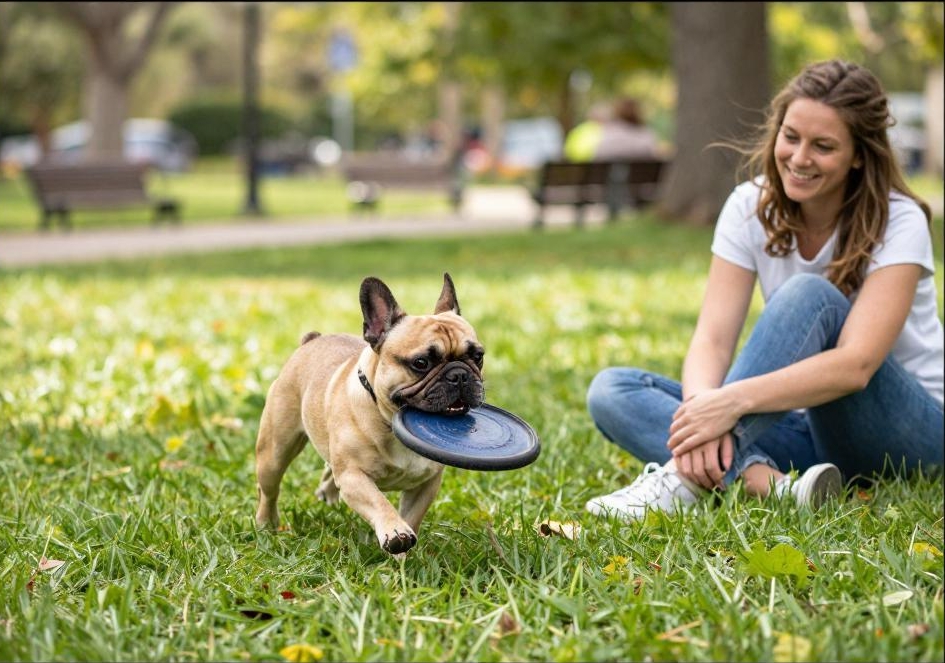
Core Analysis: Why French Bulldogs Lack Interest in Retrieving
Before starting training, you need to understand your dog. French Bulldogs are a highly unique breed. Their lack of cooperation is rarely deliberate misbehaviour; it stems from breed heritage, original working purpose and individual temperament.
1. Breed Origin & Historical Function. French Bulldog ancestors were not bred as retrieving hunting dogs. Their early role focused on companionship and baiting small bulls. Their genetics do not carry a strong innate drive to locate prey and deliver items back to humans. In contrast, retriever breeds such as Golden Retrievers are hardwired with the instinct to find and gently bring objects back.
2. Physical Limitations of Brachycephalic Structure. Frenchies are flat-faced brachycephalic dogs with short nasal passages and narrow airways. Vigorous, prolonged running and heavy panting while carrying toys takes far more physical effort compared to long-snouted breeds. Instinctively, they prefer conserving energy and avoid unnecessary exertion.
3. Independent, Opinionated Personality. French Bulldogs are intelligent yet highly self-reliant. They quickly evaluate whether an activity is worthwhile: “If I run to grab this ball, what benefit do I get? Is it more comfortable than napping?” If the answer is no, they will choose to refuse the task entirely.
4. Insufficient Early Exposure or Negative Associations. Puppies who never experience suitable chew and retrieve toys, or who were harshly scolded for carrying objects, may link holding items with unpleasant outcomes and lose all interest.
Once you understand these factors, you can build training strategies with a calm, scientific mindset. The core principle: transform “fetching items” from a chore into an extremely appealing game and a fantastic opportunity to earn rewards.
Three-Step Training Plan: Spark Your Frenchie’s Retrieve Drive From Scratch
The following proven sequence has worked for countless dogs. Remember, patience is the key to success, especially for French Bulldogs. The whole process may take days or even weeks — always progress slowly.
Step 1: Build Interest & Confidence in Holding Objects (Foundational Stage)
Do not start throwing balls immediately! The goal at this stage is teaching your dog to enjoy touching and holding items with their mouth.
My Training Experience: I once trained a 2-year-old French Bulldog named Tank who showed zero interest in any toy. I initially made the mistake of teasing him directly with a ball, and he simply walked away. Later I adjusted my approach.
Practical Steps:
1. Pick Lure Toys: Find soft, compact toys that can hide treats, such as silicone treat balls or small plush toys. I used a hollow rubber ball for Tank.
2. Create a “Treasure Toy”: In full view of your dog, stuff their favourite strongly scented high-value treats (boiled chicken, cheese cubes) inside the toy and let the aroma spread.
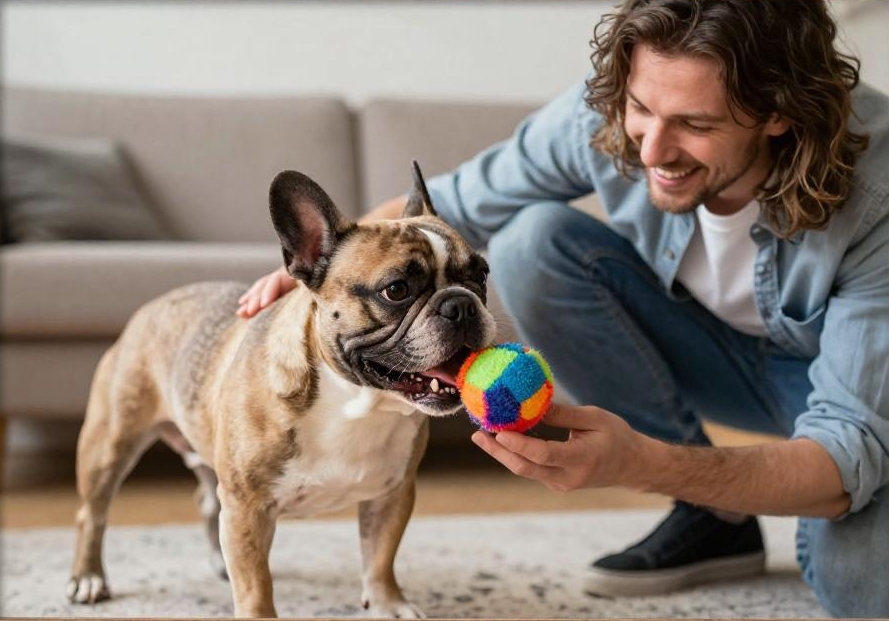
3. Encourage Initial Contact: Wiggle the treat-stuffed toy to attract attention. As soon as your dog sniffs it, cheerfully mark with “Good!” and allow them to lick and chew to retrieve snacks. Offer extra enthusiastic praise and bonus treats if they touch the toy with their mouth.
4. Short Holding Duration: Success begins when your dog grips the toy to access treats! Start by only requiring them to hold it for 1–2 seconds. Then say “Drop it” or “Give”, and instantly exchange it for another treat from your hand. They quickly learn: holding the toy brings tasty rewards, and releasing the toy to you brings even more treats.
Practise for 5–10 minutes daily until your dog gets excited and approaches you when you bring out that specific toy.
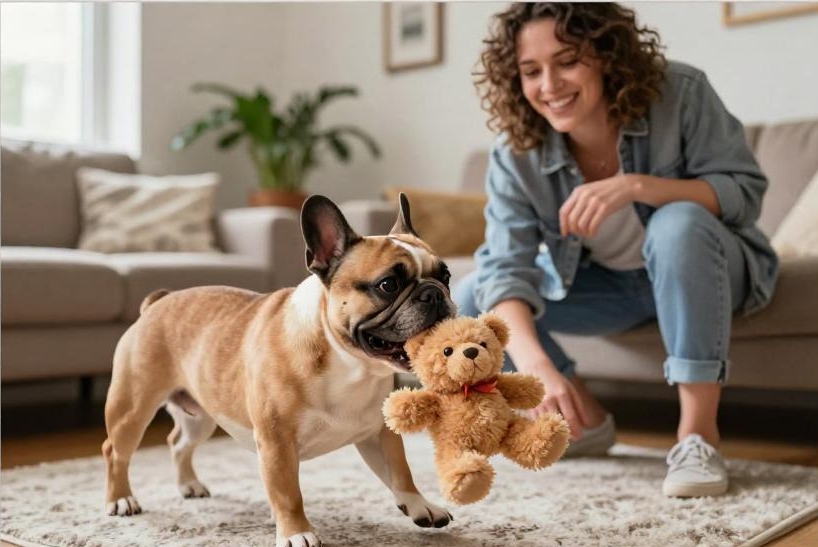
Step 2: From Holding to Retrieving — Gradually Increase Distance
Once your dog reliably takes and briefly holds the toy from your hand, slowly add distance.
Practical Steps:
1. Roll the Toy Close By: Place the treat-filled toy on the floor and gently roll it one step away from you. Encourage your dog with “Get it!”. Since treats are hidden inside, they will likely walk over and pick it up. The moment they grip the toy, enthusiastically call them back and exchange for treats.
2. Extend Distance Incrementally: Start at one step, then two steps, and progress across the room. Reward excited praise and treats after every successful retrieve. If they pick up the toy and refuse to return to play alone, do not chase or snatch it. Use an even more tempting treat or a second toy to draw them over for exchange.
3. Introduce the “Drop it” Cue: Stretch out your hand and clearly say “Drop it” once your dog comes back carrying the toy. If they refuse to release, gently touch their nose with a treat to prompt them to open their mouth. Deliver the reward immediately once the toy is released, together with positive verbal praise.
The critical concept here is exchange. Never let your dog believe handing over the toy means the game ends and rewards disappear.
Step 3: Reinforce & Generalise — Turn It Into Playtime!
When your dog happily brings the “treasure toy” back from several metres away, slowly reduce reliance on treats hidden inside the toy and introduce different toys.
Practical Steps:
1. Reduce Dependence on Toy-Stuffed Treats: Occasionally leave the toy empty, but offer treats from your palm after your dog retrieves it. Help them understand rewards come from you, not the toy itself.
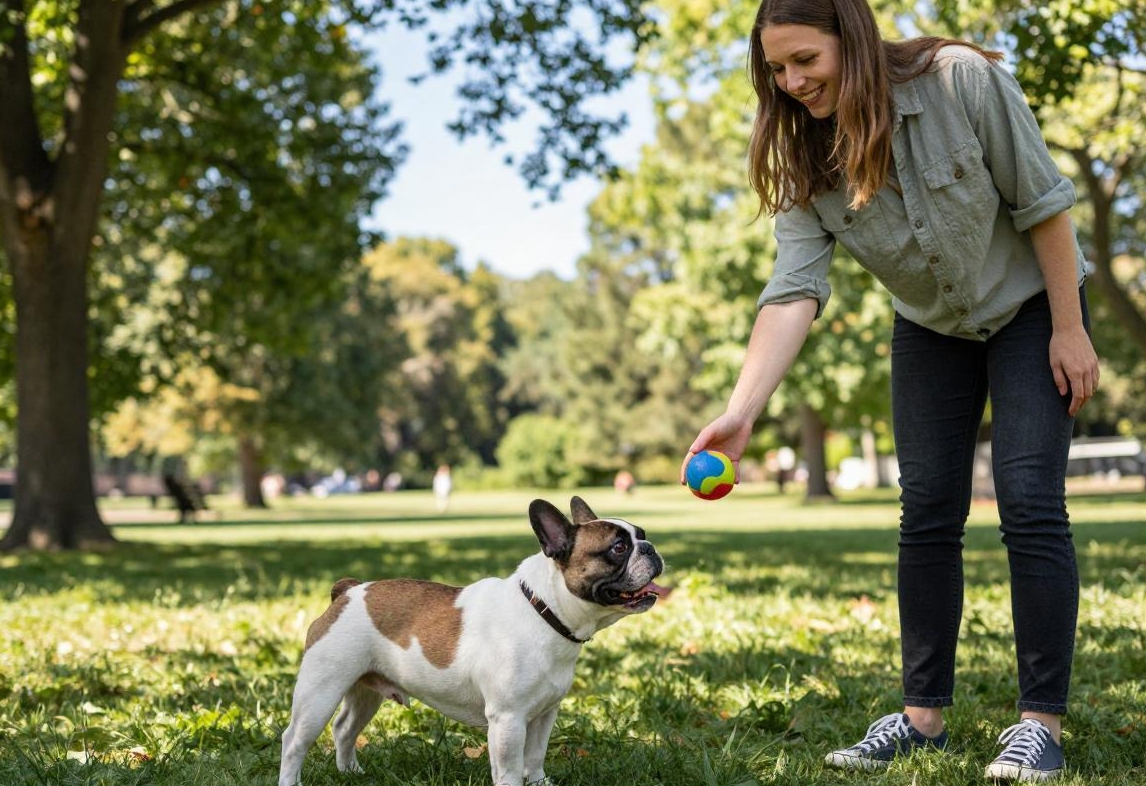
2. Swap Toys: Alternate between the successfully trained treasure toy and regular tennis balls. Play two rounds with the treat toy first, then throw the tennis ball. Your dog may retrieve it out of habit and play drive. Reward instantly with ultra-high-value snacks and dramatic praise whenever they pick it up.
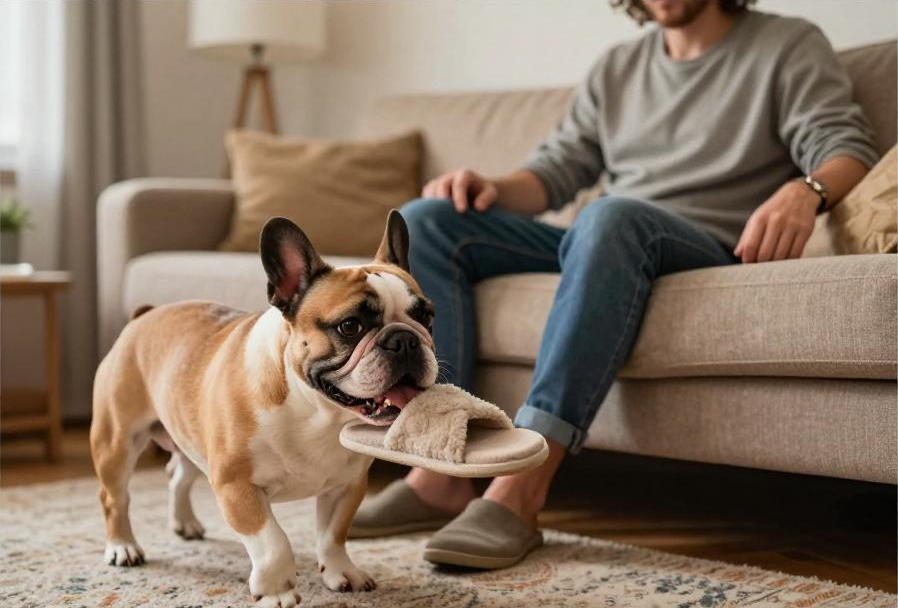
3. Integrate Into Daily Life: Train them to fetch lightweight slippers and newspapers. Reward every successful delivery. Make “bringing objects to you” a joyful daily interaction routine.
Mistake Avoidance Guide: Never Make These Training Errors
1. Forcing & Punishment: Never scold your dog for refusing to fetch, and do not shove toys into their jaws. This only builds aversion.
2. Overexertion: French Bulldogs tire quickly. Keep sessions short and frequent (5–15 minutes each). Stop training while they are still eager to maintain anticipation. Shorten sessions further and provide water during hot, humid summer weather.
3. Monotonous Repetition: Avoid throwing the toy over and over without variation. Keep training fun and dynamic. Mix simple obedience cues such as sit and wait, followed by rewards.
4. Unsuitable Toys: Avoid overly heavy, oversized or hard toys that risk damaging your Frenchie’s teeth and jaw. Abrasive tennis ball surfaces can also wear down enamel.
5. Lack of Patience & Rushing Progress: Every dog learns at their own pace. If your dog seems distracted on any given day, revert to the previous stage to consolidate skills. Training builds trust and rapport over the long term.
Summary
Teaching your French Bulldog retrieve skills is fundamentally a mental game and motivation-building process. Instead of fighting against their natural temperament, cleverly utilise their food drive, intelligence and desire for attention. Frame fetching as a rewarding, entertaining activity. Create positive associations (toys equal fun equal rewards), raise difficulty gradually, and always maintain a cheerful training atmosphere. You will find your once aloof Frenchie lighting up with excitement, eager to enjoy your “throw and fetch” bonding game. This is far more than learning a trick — it greatly strengthens your emotional bond.
Important Reminder
Always monitor your dog’s physical state throughout training. Due to their unique body structure, French Bulldogs require special care: immediately stop all activity and move your dog to a cool, well-ventilated resting spot with drinking water if you notice extreme heavy panting, breathing difficulty, bluish gums, unsteady stance, excessive drooling paired with anxiety. If symptoms do not ease quickly or occur repeatedly, this may be more than simple tiredness; these can be warning signs of heatstroke or respiratory distress. Contact your veterinarian promptly for professional assessment and treatment. Cherish your Frenchie by prioritising their health and safety while enjoying interactive play together.