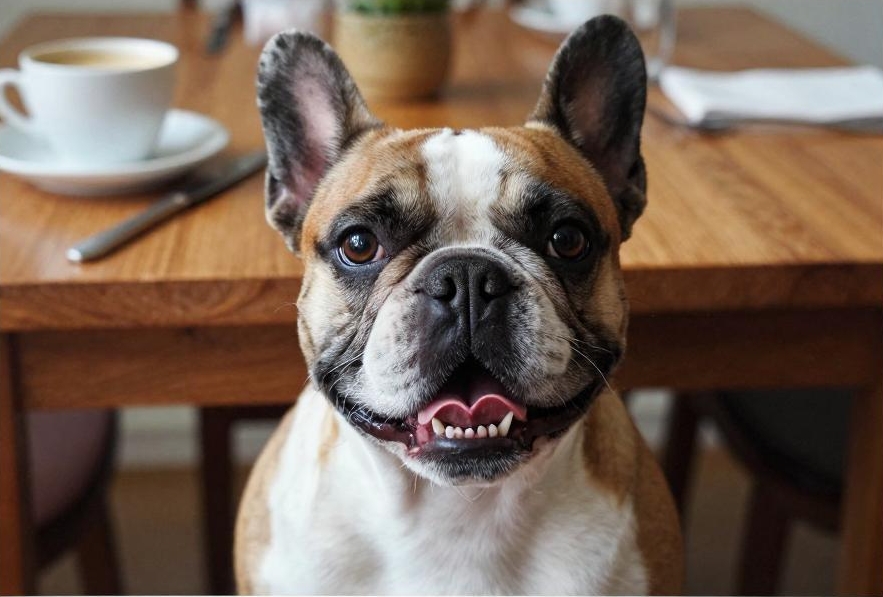
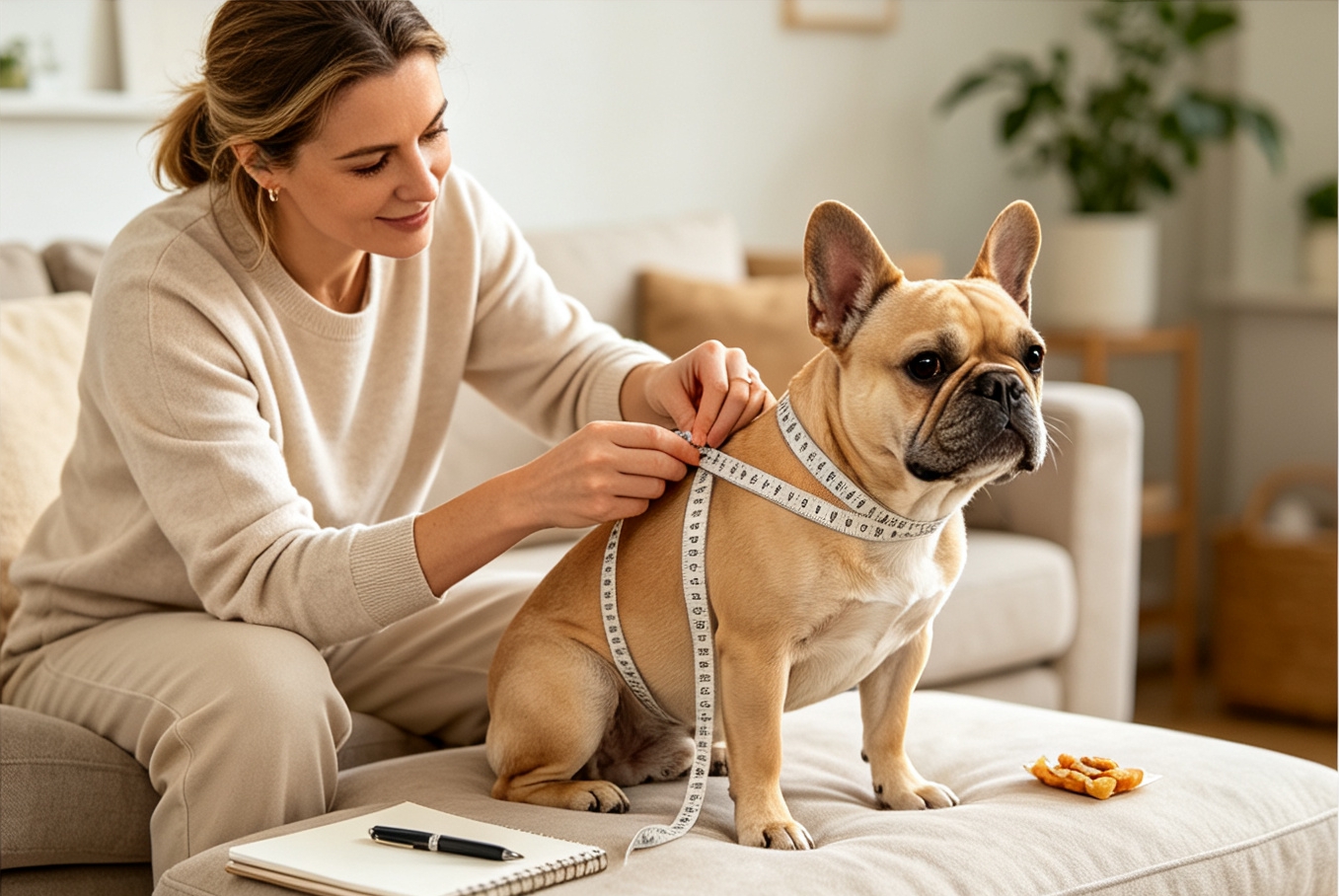
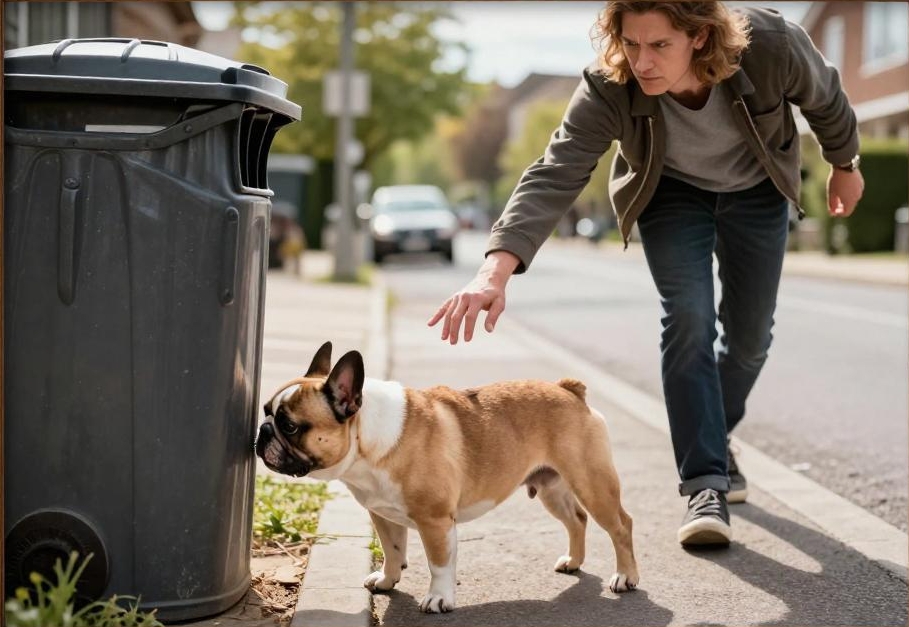
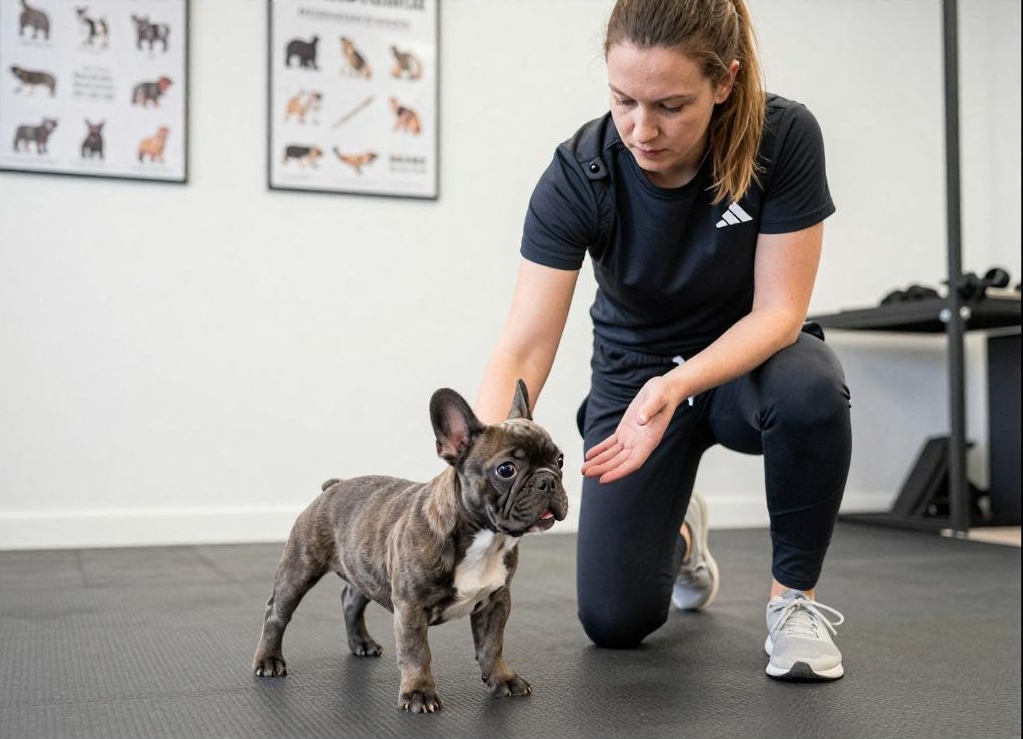
Every time the doorbell rings or you get home from work, that fluffy little figure bursts toward you with overwhelming excitement. It uses its front paws to scratch your legs and may even try to lick your face. This scene is extremely familiar for French bulldog owners. French bulldogs are naturally cheerful and friendly; they jump on people to express “I love you”, “I missed you” and “I’m so happy”. Sweet as this intention is, jumping toward children, elderly people or guests wearing clean clothes can cause fright, falls and scratch injuries. As a dog trainer with ten years of hands‑on experience, I fully understand how troublesome this behaviour can be. Today we will talk about how to turn your French bulldog’s over‑enthusiastic greetings into safer, more appropriate manners.
Why Does Your French Bulldog Keep Jumping On People?
Before starting correction work, we need to understand the motives behind this behaviour. For dogs, jumping‑up is far more than simple mischief.
Core reason 1: Innate social instinct. Within canine society, face‑sniffing and muzzle‑licking are vital social rituals. When a short‑statured French bulldog meets tall humans, it jumps upward to reach our faces, imitating this friendly dog‑to‑dog interaction. It is essentially saying: “Hey friend, I want to get to know you!”
Core reason 2: Attention‑seeking that gets results. This is the most critical factor. Think back: when your French bulldog was a tiny puppy jumping at you, you probably smiled, petted, hugged and spoke softly to it. From the dog’s point of view, the action of jumping earned owner touch, voice and eye contact — all highly desired rewards. The behaviour gets reinforced and naturally repeats over time. Even pushing it away or saying “no” counts as interaction to your dog. Negative scolding can still register as attention and unintentionally encourage jumping.
Core reason 3: Excess energy and low excitement threshold. Though French bulldogs do not require extreme physical exercise, they still need regular activity and mental stimulation. Insufficient daily outlets cause pent‑up energy to explode the moment they see people. Some French bulldogs are born with low excitement thresholds; doorbells or jangling keys can trigger high arousal, and jumping becomes their most direct release outlet.
With these causes clear, we learn that correcting jumping‑up is not about crushing their enthusiasm. It means teaching them socially acceptable ways to show affection and helping them manage excitement levels.
Three Field‑Tested Solutions To End This “Sweet Burden”
Below are three proven methods validated across countless real‑life cases throughout my career. Consistency makes success. Every household member must follow identical rules.
Solution 1: Become a “boring wall” — completely withdraw attention
This is the foundational, most important step to break the mental link: “jumping = getting attention”.
Step‑by‑step execution: The instant your French bulldog jumps toward you or other people, end all interaction. Turn your back firmly, cross your arms, avert your gaze, make zero eye contact and say nothing (avoid commands such as “off” or “no”). Stand motionless like an unresponsive wall. As soon as all four paws land firmly on the floor, turn back, praise it in a calm tone and reward with pets or treats. If it jumps again, repeat the “wall” procedure.
Real‑world case: I advised one household whose young French bulldog “Tank” had severe jumping issues. At first the male owner thought ignoring the dog felt “cruel” and kept giving head pats. Consequently Tank learned selective behaviour: no reaction when jumping at mum or guests, but guaranteed attention when jumping at dad. I set a one‑week “statue challenge” for the whole family, requiring strict compliance from everyone. Patience was required. During the first few days Tank jumped even harder trying to regain old attention. On day five progress showed: when dad arrived home, Tank sprinted forward yet self‑halted right before leaping and sat down wagging its tail. The whole family was thrilled. This case powerfully demonstrates the value of unified household rules.
Solution 2: Install an alternative behaviour — teach what it should do
Telling your dog “don’t do something” is insufficient. You must clearly show what it ought to do instead. A solid, calm replacement behaviour works perfectly.
Preferred alternative behaviour: Sit. The sit cue instantly calms dogs and directly opposes the excited jumping impulse.
Practical steps:
1. First solidify the “sit” command in low‑distraction daily settings, until your dog responds reliably right away upon hearing the cue.
2. Run simulated scenario drills. Ask family members to ring the doorbell or knock from outside. Before opening the door, give the “sit” cue. Reward high‑value treats e.g. small chicken jerky immediately when it complies. If excitement makes it fail, close the door, wait a few seconds for calmness and retry.
3. Integrate training into everyday routines. Require “sit” before serving meals, going for walks or giving toys. This reinforces the idea: “sitting grants access to all good things”.
4. Real‑life guest handling. Prepare small treats for visitors beforehand. Instruct guests to ignore jumping behaviour. Only after you cue “sit” and your dog complies should guests offer treats and gentle petting.
My hands‑on tip: My own French bulldog “Blue” used to jump as well. Early in training I kept its favourite treats in my pocket. When arriving home I would not step straight inside. I stood at the doorway and waited for its initial rush to subside. Right before it leaped, I gave the clear “sit” cue. Well‑practised muscle memory usually kicked in. Once its bottom touched ground I cheered “good boy!” and delivered treats. Today Blue’s standard greeting routine is: sprint over → emergency stop → voluntary sit → await reward. This channels jumping‑triggered excitement into a positive cycle of obedience and rewards.
Solution 3: Environmental management and desensitization — prevent problems before they start
For French bulldogs with very low excitement thresholds, we lower arousal at its source and carry out systematic desensitization training.
Daily energy management: Maintain consistent walks, sniffing games and puzzle‑toy engagement every day. Appropriately mentally and physically tired dogs stay calmer.
Trigger‑focused desensitization: Identify your dog’s biggest excitement triggers: doorbell chimes, key‑jangling sounds, watching people put on shoes and so forth.
Workflow using doorbell as example:
1. Record a doorbell audio clip.
2. Play the recording at extremely low volume when your dog is relaxed e.g. shortly after waking up. Volume should be barely perceptible; only an ear twitch, no rising to its feet.
3. The moment playback starts, toss a treat discreetly onto the floor for it to sniff and find.
4. Repeat many cycles, raise volume extremely gradually. The goal is to rewrite association: doorbell sound no longer predicts wild excitement and jumping opportunities, but signals “good things (treat hunts) may happen — stay calm”.
5. Once it remains calm at louder volumes, add the “sit” cue: ask for sitting after triggering the sound then deliver rewards.
This process demands immense patience and may take weeks, yet fundamentally reshapes how your dog reacts to triggering stimuli.
Pitfall‑Avoidance Guide: Common mistakes that undo all your hard work
Some methods appear helpful for jumping correction yet backfire completely.
Mistake 1: Kneeing or shoving the dog away. This creates injury risks for small‑sized French bulldogs. Worse still, your dog may interpret physical pushing as rough play and grow more excited, or develop defensive reactions toward hand movements.
Mistake 2: Inconsistent enforcement. Allowing jumping when you are in a good mood yet punishing it when irritated sends mixed signals. Your dog cannot learn stable rules and training becomes extremely difficult.
Mistake 3: Early or harsh punishment. Yelling or punishing mid‑jump may make your dog link home‑comings or guest arrivals with bad experiences. This sparks anxiety and can trigger more complex behavioural issues. Our training focuses on guiding and rewarding correct actions rather than punishing misbehaviour.
Mistake 4: Poor guest preparation. Visitors often sabotage training. Kindly brief guests ahead of time. Ask them to strictly follow the rule: ignore jumping, reward only calm sitting.
Summary
Fixing French bulldog jumping‑up habits calls for patience, consistency and understanding. It tests owner wisdom and persistence far more than the dog itself. Three combined strategies handle most cases: withdraw rewards for unwanted behaviour by “being a boring wall”; teach proper manners through the “sit” alternative behaviour; and reduce baseline excitement with daily management plus desensitization. Remember: your French bulldog jumps out of affection and joy. Our job is not to suppress that emotion, but to fit it with safe, polite boundaries so its love can be expressed appropriately.
Important Reminder
The techniques here apply to most jumping‑up cases driven by excitement and attention‑seeking. However, if jumping occurs alongside extreme anxiety, fear‑based growling, bared teeth, or completely impulsive out‑of‑control responses, deeper emotional troubles or underlying health conditions (e.g. pain‑triggered irritability) may exist. Behavioural symptoms can stem from physical illness. If no improvement appears after several weeks of consistent training or behaviour worsens, strongly consider consulting a certified veterinary behaviourist or experienced professional dog trainer for full assessment. Seeking expert support early is responsible for both you and your dog.