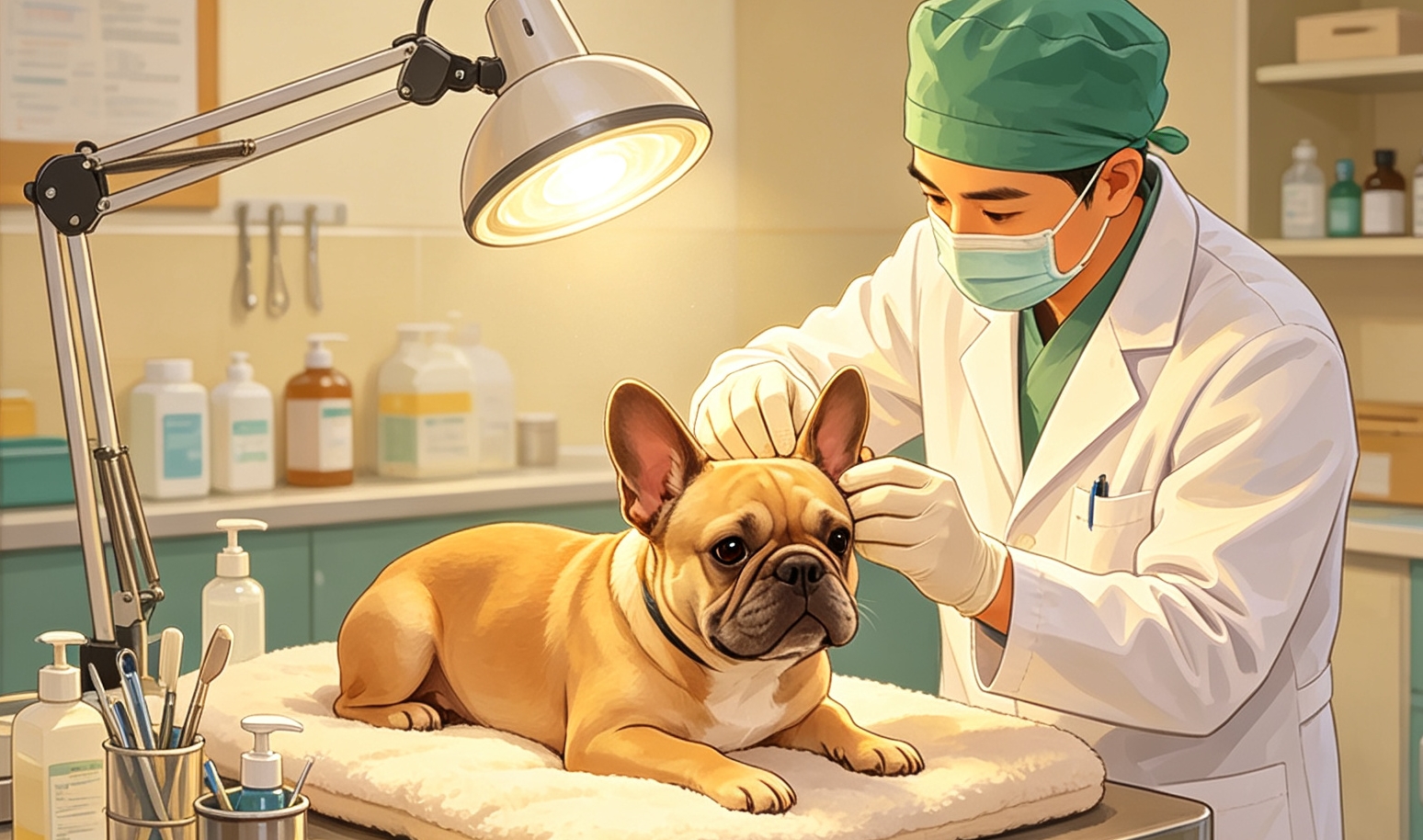
Hello everyone. Over years working with countless pets and their owners, I have spotted an often‑overlooked yet critical problem — hygiene of indoor dog toilets. Especially for breeds like French Bulldogs, which are naturally sensitive, have abundant skin folds and relatively fragile urinary systems, an unsanitary toilet can act as an invisible culprit behind recurring urinary discomfort and even infections. Today, as an old friend and professional, I will walk you through a scientific regular dog‑toilet disinfection workflow to build a solid health barrier for your French Bulldog.
Why Do French Bulldogs Need an Extra‑Clean Toilet?
Many owners may wonder: “My dog goes out for walks every day and rarely uses its indoor toilet — do I really need to be this strict?” Or “I change pee pads daily, so it should be clean enough.” Yet reality may tell a different story. Due to their unique physiology, French Bulldogs belong to a high‑risk group for urinary‑system disorders.
First, as brachycephalic dogs, their metabolism and circulation differ slightly from other breeds, and immune function may be less stable. Second, their stocky build paired with relatively short urethras (especially in females) allows bacteria to travel upward easily, triggering cystitis, urethritis and other conditions. I once treated a 3‑year‑old French Bulldog named Doubao suffering from recurring frequent, urgent urination with only tiny volumes of urine and obvious straining during voiding. Diagnostics confirmed chronic cystitis. After ruling out dietary and drinking‑water factors, we turned our attention to its toileting setup. The owner used a plastic grid‑style dog toilet with disposable pee pads underneath. Although pads were replaced daily, the plastic grid and base were only rinsed with plain water and never thoroughly disinfected. Built‑up urine scale and invisible bacteria formed a persistent source of infection. Every time Doubao used the toilet, particularly when urine splashed onto leg fur or skin folds, it was effectively exposed to bacterial contamination.
This case drove home an important lesson: for French Bulldogs, “cleaning” a dog toilet is not equal to “disinfecting” it. Visible cleanliness is separate from microbial safety. Our goal is to eliminate pathogenic bacteria and fungi, not merely remove stains and odours.
Build Safety Defences: Three‑Step Scientific Disinfection Method
Based on years of clinical observation and hands‑on practice, I have developed a simple yet highly‑effective dog‑toilet disinfection workflow built around “separate handling, thorough disinfection and complete drying”.
Solution 1: Routine Daily Cleaning plus Weekly Deep Disinfection
This setup suits most households. Required supplies: pet‑safe environmental disinfectant (I recommend formulations based on potassium peroxymonosulfate complexes or quaternary ammonium salts — pet‑friendly with broad‑spectrum bactericidal effects), rubber gloves, dedicated scrub brush and clean cloths.
Daily cleaning: Promptly remove waste — this is the most fundamental and vital step. Replace pee pads immediately once soiled. For plastic toilets, remove solid waste, rinse grid and base with clean water and wipe dry using a separate cloth to stop bacteria multiplying in damp conditions.
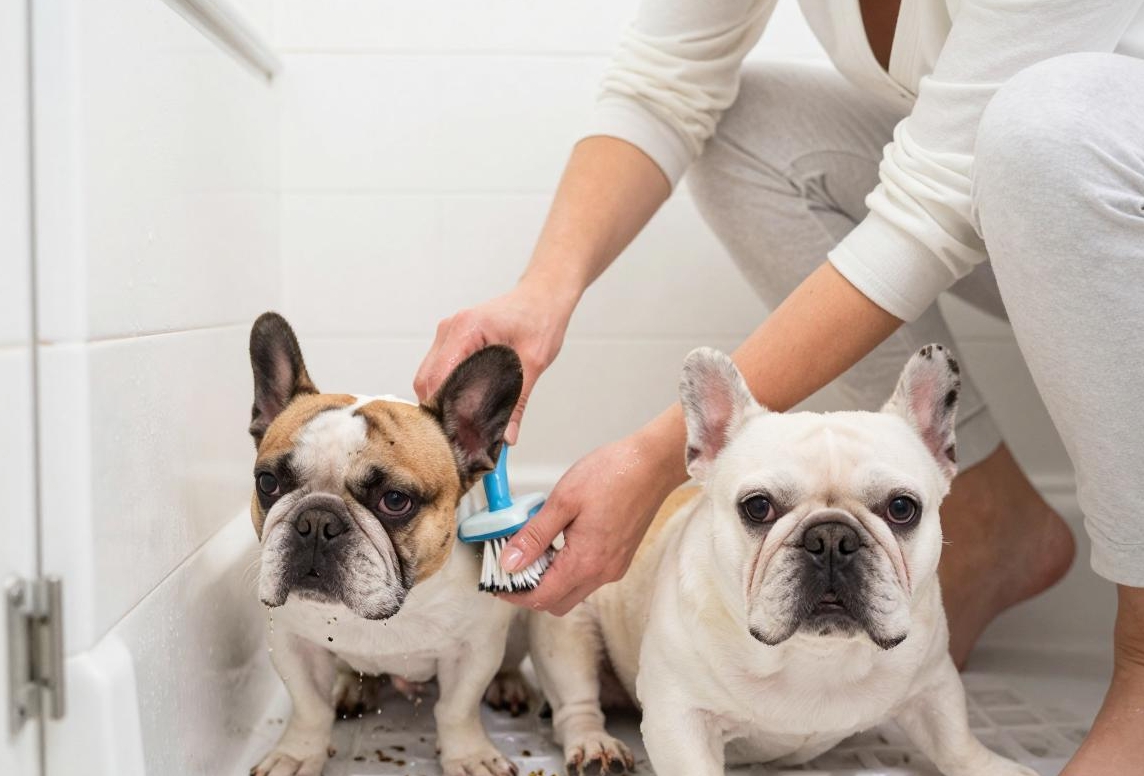
Weekly deep disinfection (core procedure): This was the protocol prescribed for Doubao’s household and delivered clear improvements.
- Disassembly and pre‑treatment: Fully take apart the dog toilet including grid, base and frame. Rinse away most visible dirt under running warm water.
- Soak for disinfection: In a large tub or bathroom, submerge all components fully in pet disinfectant diluted strictly per product instructions. Critical detail: maintain a 10‑15‑minute minimum soaking time. Many owners simply spray and rinse off right away; insufficient contact time drastically reduces germ‑killing performance. Disinfectant penetrates tiny scratches and pores, dissolves urine scale and kills micro‑organisms.
- Scrub and rinse: Wear gloves and scrub every corner carefully, focusing on grid gaps and base edges prone to limescale and residue. Rinse abundantly with clean water to eliminate all disinfectant residue.
- Complete drying: This frequently‑missed step is absolutely essential! Bacteria reproduce extremely fast in moist surroundings. Wipe all parts dry with cloths, then air‑dry fully in a well‑ventilated spot or blot thoroughly with clean paper towels. Reassemble only once everything is 100 % dry before letting your dog use it again.
Solution 2: Enhanced Protocol for Multi‑Dog Households or French Bulldogs with Prior Infection History
If you own multiple dogs or your French Bulldog has previously suffered urinary‑tract infections, more frequent, stricter disinfection is required.
Increase deep‑disinfection frequency from weekly to every 3‑4 days. You may occasionally (e.g. once per month) alternate disinfectants with different working mechanisms (potassium peroxymonosulfate one round, diluted hypochlorous acid the next). Always dilute according to pet‑safe ratios and rinse thoroughly to avoid microbial resistance. I also suggest keeping two interchangeable toilet grids or base units. While one set undergoes soaking disinfection and lengthy drying, you can fit the pre‑dried spare immediately. This guarantees constant access to a sanitary toilet and prevents owners from cutting corners due to long drying waits.
Solution 3: Auxiliary Use for Smart Toilets and UV Disinfection
Modern technology offers supporting options. Smart dog toilets with auto‑flush and drying functions mechanically reduce bacterial retention. Note that manual periodic cleaning and disinfection are still needed for internal parts such as filters and water tanks.
For oversized toilets that cannot be submerged, or the area surrounding the dog‑toilet location, pet‑safe ultraviolet disinfection lamps can serve as supplementary tools. With the dog completely absent, irradiate empty, surface‑dry toilet hardware to kill surface bacteria and viruses. UV light works only as an auxiliary measure; it cannot replace chemical soaking and scrubbing because ultraviolet rays fail to penetrate dirt or shadowed crevices.
Pitfall‑Avoidance Guide: Steer Clear of These Common Mistakes
When carrying out your disinfection schedule, avoid these frequent missteps:
- Using harsh human‑grade disinfectants: Products such as sodium hypochlorite bleach or Dettol have strong germ‑killing power, yet their fumes and chemical components may irritate the sensitive respiratory tracts of French Bulldogs. Ingested residues can trigger gastrointestinal issues. Always select environmental disinfectants explicitly labelled “safe for pets”.
- Incomplete post‑disinfection rinsing: Leftover disinfectant itself irritates paw pads and urinary organs. Rinse repeatedly with copious clean water until surfaces feel non‑slippery and no strong chemical odour remains.
- Skipping the drying phase: A damp toilet is an ideal bacterial breeding ground. Failing to dry thoroughly renders all prior disinfection efforts useless.
- Only cleaning exposed surfaces while ignoring gaps: Bacteria thrive in grid joints, screw holes and folded edges. Scrubbing must cover every spot.
- Irregular disinfection cadence: Disinfection needs fixed cycles rather than being done only when remembered. Consistent cleaning‑disinfection routines keep environmental bacterial load persistently low.
Conclusion
Prevention beats treatment. For lovely French Bulldogs, thoughtful care manifests in these small daily maintenance details. Establishing and sticking to a scientific regular dog‑toilet disinfection workflow achieves far more than household sanitation and odour removal. It cuts an important external transmission route for urinary‑tract infections and delivers tangible protection for their delicate urinary health. Seeing Doubao regain normal comfortable urination and happily wag its tail after its owner consistently followed the disinfection plan combined with veterinary treatment reminded me that although this work is tedious, its value is enormous.
Important Reminder
Please note: disinfection workflows described in this article serve as vital preventive and auxiliary measures. If your French Bulldog shows any of these symptoms: repeated squatting to urinate with little or no output, whimpering or obvious pain while voiding, abnormal urine colour (bloody or cloudy), lethargy, loss of appetite, frequent licking of the urethral opening, urinary‑tract infection or other urinary‑system diseases are likely present. In such cases, stop home‑based management at once and visit a professional veterinary clinic promptly for examination and treatment. Veterinarians will confirm diagnoses via urinalysis, blood work and other tests and prescribe targeted medication such as antibiotics. Timely standard veterinary care is critical for resolving established illness — never delay, lest minor conditions worsen.