Hello everyone. After spending a decade supporting countless pets and their owners, I have found skin disorders are almost an unavoidable “mandatory lesson” for every French Bulldog parent. It is heartbreaking to watch your beloved pup constantly scratch and chew itself until the skin breaks open, or see endless fur scattered across floors and sofas far more than other breeds. I fully understand that sense of distress and helplessness. Today, I want to thoroughly discuss how dietary adjustments — the most fundamental step — can relieve itchy skin and abnormal shedding in Frenchies from within.

Why Is Your Frenchie Constantly Itching? Identify Dietary Culprits
First, we must understand that the skin acts as a barometer of a dog’s overall health. When a French Bulldog suffers frequent itching, local redness, excess dander, dull brittle fur prone to falling out, this is rarely just a superficial skin issue. More often, it serves as an internal warning signal. After ruling out common triggers such as parasites (mites, fleas), bacterial and fungal infections, environmental allergies (pollen, dust mites), we need to closely examine daily meals: food allergies or food intolerance.
As short-coated dogs, French Bulldogs possess relatively fragile skin barriers, paired with a genetic predisposition toward sensitivity. This makes them unusually reactive to certain proteins and compounds in food. The most prevalent allergens include beef, dairy, chicken, wheat, corn, soy, and eggs. Large macromolecular proteins in these ingredients may be misidentified as threats by the immune system, triggering a cascade of allergic reactions, and the skin and coat become the most visible battlefield. You may wonder: “My dog has eaten this brand of kibble for ages without issues before!” It is important to know food allergies can build up gradually and flare up suddenly, which explains why many problems only emerge in adulthood.
Among the cases I treated, a 3-year-old French Bulldog named Potato left a deep impression. When he arrived, skin under his armpits and groin had thickened and darkened from persistent licking and biting, resembling elephant hide, with severely thinning fur. The owner tried countless medicated baths and sprays, only achieving temporary relief. After detailed consultation and systematic elimination testing, we traced the issue back to his chicken-based kibble that he had consumed for two years. This case taught me that surface-level treatment can never resolve underlying problems.
Core Solution: Hypoallergenic Ingredient Formulas & Practical Experience
The core strategy for food-induced skin conditions is an elimination diet trial combined with hypoallergenic feeding. Below I share actionable protocols refined from years of clinical experience.
Formula 1: Single Novel Protein + Single Low-Allergen Carbohydrate
This is the ideal starting point for elimination diet trials. Select one animal protein source your dog has never consumed (novel protein), paired with one low-sensitivity carbohydrate.
- Protein Options: Avoid common chicken and beef. Suitable selections include duck, venison, rabbit, ostrich, fish (salmon, cod). Taking Potato as an example, duck was my first choice. Duck has cooling properties and offers auxiliary relief for inflammatory skin issues triggered by allergies.
- Carbohydrate Options: Steer clear of wheat, corn and soy. Recommended choices: purple sweet potato, sweet potato, pumpkin, quinoa, oats. Pumpkin and purple sweet potatoes are rich in beta-carotene and fiber, benefiting skin and intestinal health.
- Practical Tips From My Cases: During Potato’s diet transition phase, I advised the owner to prepare fully homemade meals. The simple recipe: steamed duck breast (60%) + steamed purple sweet potato & pumpkin (40%), with zero added seasonings. Feed continuously for a minimum of 8 weeks. Strictly prohibit all treats and extra handouts from other family members throughout the trial. Around week four, the owner happily reported Potato scratched far less frequently, and skin inflammation began subsiding. This process demands great patience and consistency.

Formula 2: Targeted Supplementation of High-Quality Fatty Acids
Skin health relies on healthy lipids, especially Omega-3 fatty acids, which deliver powerful anti-inflammatory effects, nourish skin internally and improve coat quality.
- Key Ingredients: Marine fish oil (rich in EPA and DHA), krill oil, or simply steamed salmon. Flaxseed oil (plant-based Omega-3) has low conversion rates in dogs and is less effective compared to fish oil.
- Feeding Tips: Drip fish oil directly onto kibble or homemade meals. Pay attention to dosage. A safe starting dose for small breeds is 500–1000mg of Omega-3 daily; always follow product guidelines or consult your veterinarian for precise amounts.
- Practical Tips From My Cases: I normally recommend owners introduce fish oil supplements alongside hypoallergenic staple food. One French Bulldog had extremely dry, straw-like fur. After switching its main diet and consistently adding fish oil for two months, its coat turned soft and glossy, and shedding reduced by nearly half. Remember, fish oil delivers gradual, long-term benefits and requires sustained supplementation.

Formula 3: Gradual Addition of Diverse Hypoallergenic Natural Supplements
After stabilizing symptoms with confirmed core protein and carbohydrate sources, carefully introduce skin-friendly natural supplements to diversify nutritional intake.
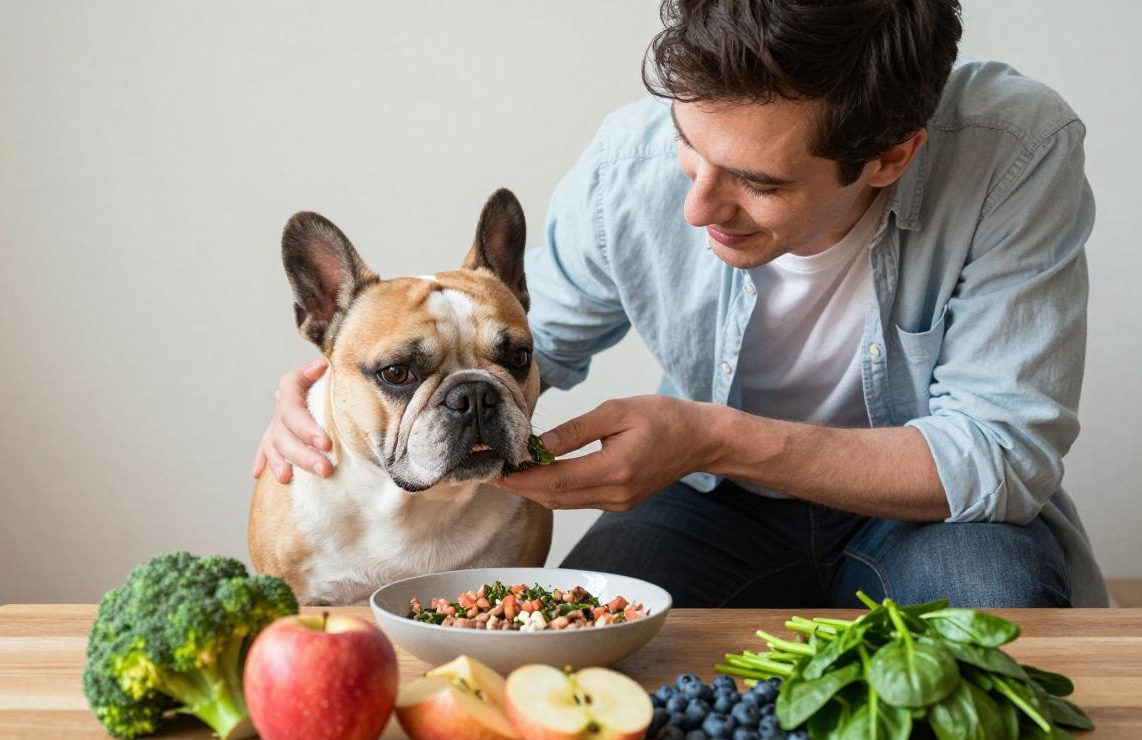
- Green Vegetables: Broccoli, spinach, kale (blanched and finely chopped), packed with vitamins and antioxidants.
- Suitable Fruits: Blueberries (powerful antioxidants), apples (remove seeds and cores).
- Other Additions: Unsweetened plain yogurt (supplies probiotics to boost gut health; the gut is the largest immune organ), cooked egg yolks (only if egg allergies are ruled out; yolks contain lecithin, excellent for coat conditioning).
- Practical Tips From My Cases: Always follow the rule: add only one new ingredient at a time, and monitor for 3–5 days. For instance, add one spoonful of broccoli puree to meals this week. If stool and skin remain normal, you can try introducing blueberries the following week. For Potato, we successfully added broccoli and blueberries after his condition stabilized, visibly enhancing his overall immune function.
Mistake Avoidance Guide: Common Errors You May Be Making
Many well-intentioned actions backfire when tackling French Bulldog skin disorders.
1. Frequently Switching Dog Food: This is a critical mistake. A dog’s digestive and immune system requires time to adapt. Allow a minimum observation period of 8–12 weeks for any dietary plan before judging its effectiveness.
2. Overlooking Treats & Human Food: Even if your main meals are strictly hypoallergenic, a chew stick containing chicken meal or a sip of milk from family members can undo all your progress. You must maintain full control over all food sources during elimination trials.
3. Blindly Pursuing All-Meat or Raw Food Diets: For allergy-prone dogs, poorly balanced raw or all-meat meals may lead to nutritional deficiencies, or strain kidney function due to excessive protein. Thorough research is mandatory for homemade diets to guarantee nutritional balance.
4. Relying Solely on Anti-Itch Medication While Ignoring Root Causes: Steroids and similar drugs relieve symptoms rapidly yet carry significant side effects with long-term use. Our goal is to reduce or eliminate dependence on these medications through dietary adjustments.
Summary: Patience & Observation Hold the Key to Recovery
Easing itchy skin and excessive shedding in French Bulldogs is a long-term battle you must fight side-by-side with your dog. There are no instant miracle cures. Only scientific hypoallergenic feeding plans, paired with patient monitoring and records, will help you find the unique nutritional formula suited to your pup. Start with a single novel protein, steadily build a balanced healthy diet, and supplement essential fatty acids and nutrients. You will be pleasantly surprised to see improved skin conditions, alongside better energy levels, healthier stools and overall vitality.
Important Reminder
The experience and protocols shared in this article mainly target chronic skin issues triggered by food allergies or food intolerance. If your French Bulldog develops acute, widespread inflamed skin, ulcers, pus discharge, accompanied by lethargy or fever, or shows zero improvement after following dietary adjustments for 8 weeks or longer, stop home management immediately and visit a professional veterinary clinic for diagnosis. Severe skin conditions often involve mixed infections, endocrine disorders or other underlying illnesses. Veterinarians can perform skin scrapings, blood tests and other examinations to identify exact causes and create comprehensive treatment plans. Show your love by providing scientific, timely care.