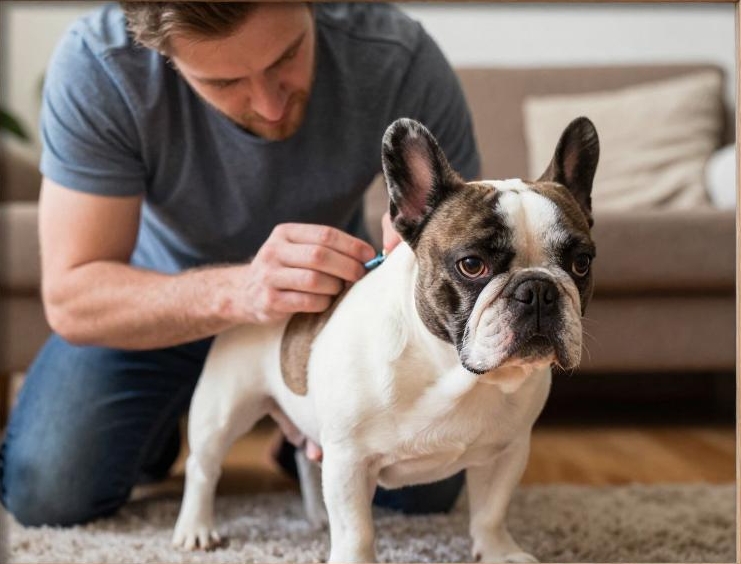
Hi all French Bulldog parents! Over years of raising countless tiny Frenchie puppies from fluffy little balls to calm grown gentlemen and ladies, I receive nearly identical pleas every week: “Doc/Trainer, my Frenchie suddenly turned into a little troublemaker—sofa legs, slippers and even baseboards all get destroyed! Scolding and punishment don’t work at all, what should I do?” I totally sympathize with owners who hate seeing ruined furniture while worrying about their pup’s wellbeing. Today we will fully break down French Bulldog teething: this unavoidable growth stage is also a critical window to set house rules and safeguard their oral health.
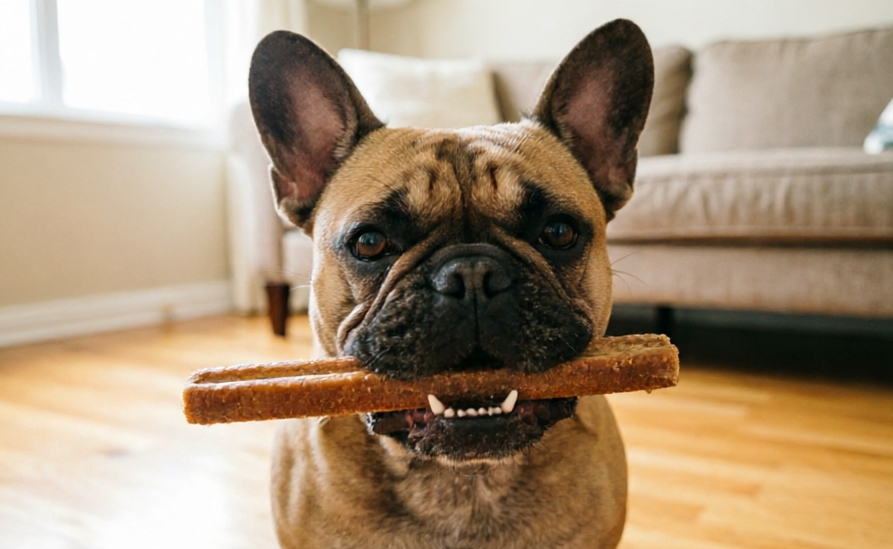
Why Does Your Well-Behaved French Bulldog Suddenly Become A Destructive Chewer?
First off, don’t label your Frenchie as naughty or misbehaved right away. Their urge to chew stems from profound physical and mental needs. Teething typically hits puppies aged 3 to 8 months, a vital stage where baby teeth fall out and permanent adult teeth erupt.
Core Cause 1: Unbearable Physical Gum Discomfort
Imagine multiple teeth pushing through your gum tissue all at once—itchy, swollen and throbbing enough to make you restless and irritable. That’s exactly how teething puppies feel. To ease the soreness, they instinctively seek anything firm to rub their gums against. As brachycephalic flat-faced breeds, French Bulldogs naturally have crowded tooth alignment, which often amplifies teething pain. I once treated a 5-month-old Frenchie named Potato. His owner noticed he craved hard objects constantly. A check revealed one stubborn retained baby tooth blocking a misaligned erupting adult tooth, leaving his gums swollen and tender. His nonstop chewing was an attempt to relieve that foreign-body pressure and pain.
Core Cause 2: The Mouth As Their Tool To Explore The World
For young puppies, their mouth is their primary sensory tool, just like human hands for touching objects. They learn texture, hardness and shape through chewing. This is their natural way to enrich their understanding of the surrounding environment.
Core Cause 3: Excess Energy & Anxious Emotions
While adult French Bulldogs tend to be laid-back, puppies hold massive reserves of energy. Without sufficient daily exercise and mental stimulation (training, scent games), pent-up energy drives them to chew as an easy pastime. Additionally, loneliness, separation anxiety and stress drastically escalate chewing behavior, which acts as a self-soothing coping mechanism for dogs.
5 Practical Solutions To End Destructive Chewing & Protect Sensitive Gums
Now that we understand the triggers, we can apply targeted interventions. These five complementary strategies refined from my long-term professional experience deliver outstanding results.
Solution 1: Provide Abundant, Suitable Teething Chew Tools
This is the most straightforward and effective fix. The golden rule: offer designated chew items far more appealing than furniture or footwear.
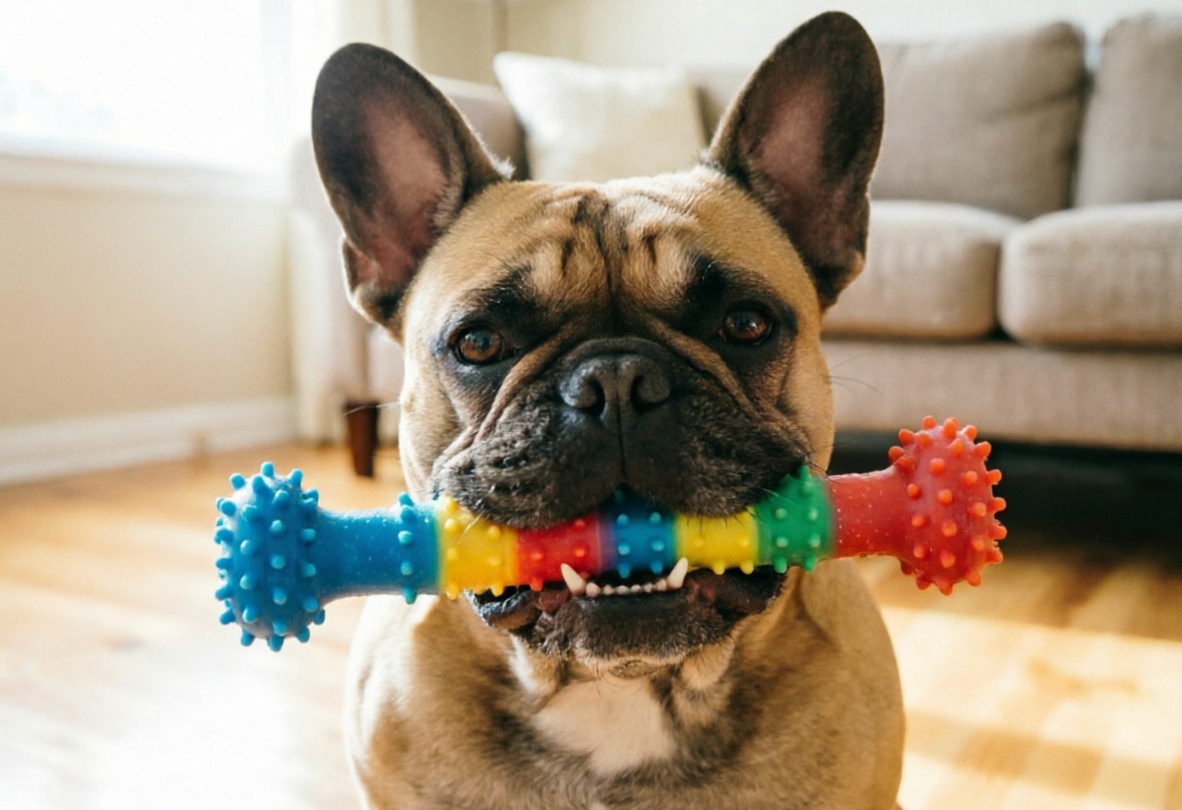
Veterinarian Hands-On Experience: I tested over ten types of chew sticks on a French Bulldog named Bobby. At first, hard nylon bones held zero appeal. Later I discovered he loved textured toys that leave distinct bite marks. I switched to interactive rubber toys such as Kongs stuffed with his favorite yogurt (frozen for longer-lasting distraction), and he instantly became obsessed, chewing quietly for up to 30 minutes straight. For teething Frenchies with inflamed sensitive gums, I highly recommend slow-cooked beef tendons, deer antlers sized for small breeds, or frozen damp washcloths / carrot sticks. Low temperatures soothe swollen gums, while firm texture delivers satisfying pressure relief. Always supervise chewing sessions, especially when introducing new toys, to monitor biting force and prevent damage to immature permanent teeth.
Solution 2: Adjust Diet To Alleviate Teething Discomfort From Within
Dietary tweaks can also ease teething distress. Offer food requiring more chewing motion to boost oral muscle activity during this phase.
My Standard Routine: I advise owners to swap part of regular kibble for larger age-appropriate pellets, or use slow feeder bowls to extend mealtime chewing. Offer large raw beef cartilage or chicken necks 2–3 times weekly (always under supervision, train your dog to chew slowly)—these make excellent natural chews and supply natural chondroitin for joint health. For French Bulldogs with sensitive stomachs, substitute frozen broccoli stems or seedless apple chunks. Remember all dietary transitions must happen gradually to avoid digestive upset.
Solution 3: Household Proofing & Behavioral Redirection
Prevention always beats damage repair. Fully puppy-proof your home during peak teething months.
Real Client Case: A client named Lisa’s French Bulldog kept gnawing her expensive Nordic-style furniture legs. My step-by-step guidance:
- Spray pet-safe bitter deterrent spray (test on an inconspicuous spot first) on furniture legs and wall baseboards;
- Use baby gates or pet playpens to limit his roaming range; inside the pen only place his bed, fresh water and approved safe chew toys;
- As soon as you catch him attempting to chew furniture, call him over in a cheerful tone and redirect focus to a toy. Reward enthusiastic praise and tiny treats the second he chews his designated toy. After two weeks of consistent training, the dog fully learned “chewing toys brings good rewards.”
Solution 4: Burn Excess Energy & Fulfill Mental Stimulation Needs
A tired dog is a well-behaved dog. French Bulldogs need moderate physical exercise plus plenty of brain work.
Professional Recommendation: Schedule two daily 15–20 minute leash walks (avoid extreme hot weather), paired with 10–15 minute interactive training sessions (sit, stay, recall). Most importantly, introduce snuffle mats and treat-hiding puzzle toys. Split their daily kibble ration into small portions hidden inside mat folds, letting them “work” for food via scent searching for 20 minutes. Mental exhaustion from foraging calms them far better than simple running, drastically cutting boredom-driven destructive chewing.
Solution 5: Establish Routine Oral Examination Habits Early
Building daily oral checkup routines from puppyhood benefits both you and your dog lifelong.
Step-by-Step Care Routine: Pick a calm quiet moment each day, gently lift your dog’s lips and inspect gum color (healthy gums are pale pink), check for retained baby teeth (double rows of teeth), smooth eruption of permanent adult teeth, and abnormal swelling or bleeding. You may also use pet finger brushes or soft toothbrushes with edible chicken-flavored dog toothpaste to lightly touch teeth and gums, helping them get accustomed to oral handling. Keep sessions gentle and brief, ending with a tasty treat reward. This habit lets you catch dental issues like Potato’s retained baby tooth early, and lays groundwork for regular toothbrushing later in life.
Mistake Avoidance Guide: Never Commit These Common Teething Errors!
1. Yelling, scolding or physical punishment: Punishment only makes your dog fear you, leading to secret chewing or amplified anxiety-driven destruction when you’re out of sight. Puppies cannot grasp abstract rules like “do not chew sofas”—they only learn “getting caught chewing furniture leads to unpleasant reactions.”
2. Giving old human footwear as chew toys: Dogs cannot distinguish acceptable old shoes from off-limits new shoes, sending confusing mixed signals about what they’re allowed to bite.
3. Overly hard or fragile chew items: Cooked large bones (especially poultry leg bones) and cheap plastic toys risk cracked teeth or sharp internal lacerations if swallowed.
4. Ignoring retained double teeth: If baby teeth remain unexfoliated past 7–8 months old, forming double tooth rows, consult your vet immediately. Trapped food debris rapidly triggers periodontal disease, and surgical extraction is usually required.
Summary
The core principle for managing French Bulldog teething is redirection, not total restriction. Acknowledge their physical soreness and psychological needs, then provide healthy outlets through safe chew toys, balanced feeding and sufficient daily activity. Every destructive chewing impulse can be turned into a positive training opportunity by substituting approved toys and rewarding good behavior. Patience and consistent routines are your most valuable tools during this stage. Once you guide your Frenchie smoothly through teething, you gain not only intact household furnishings but also a well-mannered companion with healthy oral tissues and stronger trust in you.
Important Reminder
The care methods shared in this article apply to standard teething management for most French Bulldog puppies. Immediately contact your trusted general vet or veterinary dental specialist if your dog displays any of the following symptoms:
1. Persistent abnormal swollen gums, frequent bleeding or excessive drooling.
2. Strong foul odor emanating from the mouth (not just residual food smell).
3. Refusal to eat, or obvious pain while chewing (sudden yelping, head shaking mid-meal).
4. Retained baby teeth past the normal shedding window, severely misaligned erupting adult teeth (double rows, crooked dentition).
5. Chewing paired with extreme anxiety, self-mutilation or other abnormal compulsive behaviors.
Professional veterinary exams rule out underlying oral conditions such as infections from retained teeth and gingivitis, delivering comprehensive long-term protection for your Frenchie’s dental health.