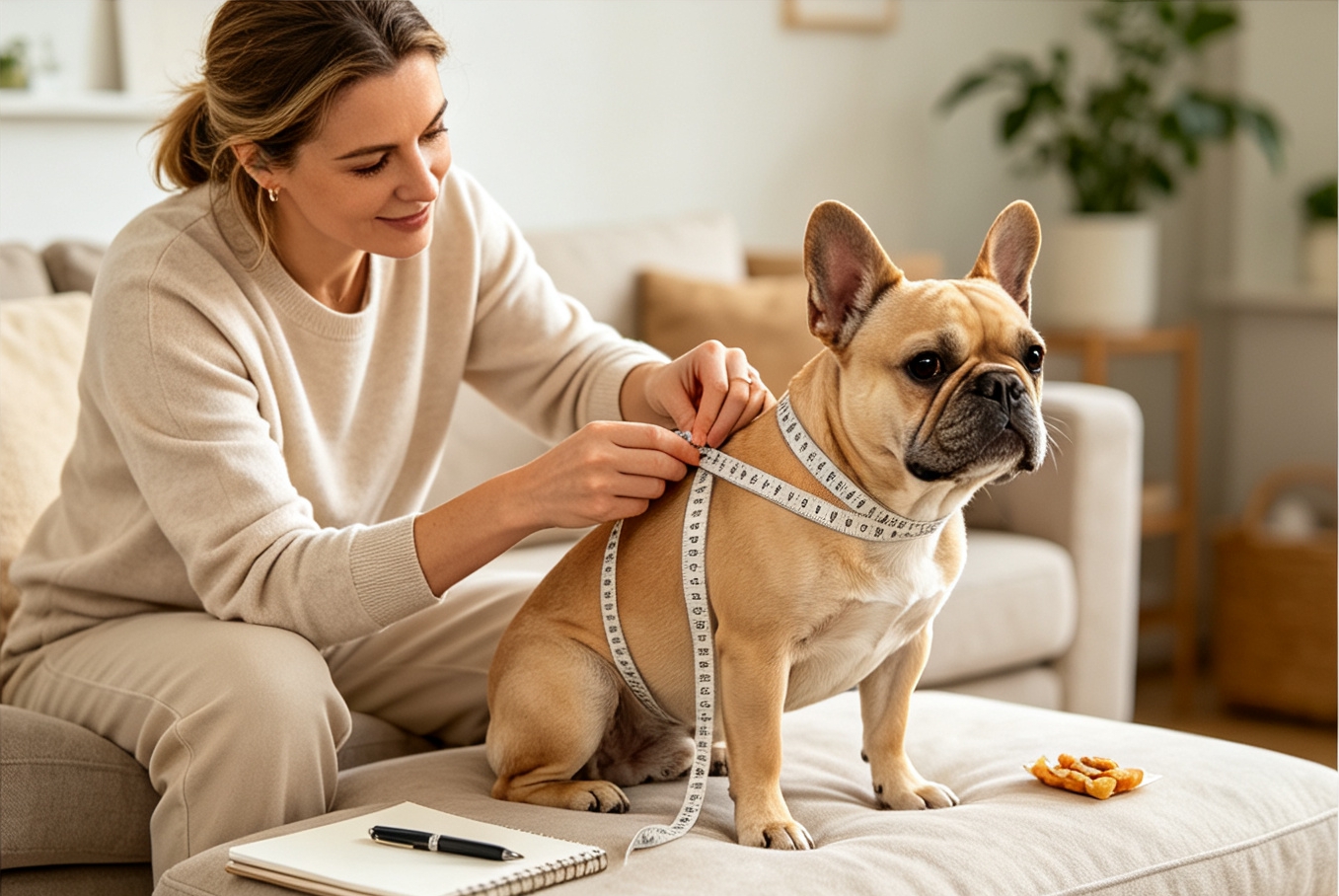
Dear French bulldog owners, hello everyone. When summer arrives with bright sunshine, many people want to take their furry companions out to enjoy sunbathing. Yet as a pet practitioner with over ten years of experience, I must give you a serious reminder: for lovely short‑coated companions like French bulldogs, summer sunlight, especially strong ultraviolet radiation, can act as a hidden “skin killer”. I have seen many cases where owner negligence caused severe sunburn in French bulldogs, leading to erythema, hair loss and even progressive skin disorders — truly heartbreaking. Drawing on years of accumulated experience, today I will talk in depth about summer sun‑protection measures so your French bulldog can play happily and stay safe through hot seasons.
Why Is French Bulldog Skin So Sun‑Sensitive?
To solve the problem, first understand its root cause. French bulldogs are exceptionally vulnerable to UV damage due to their physiological traits:
1. Short, sparse fur: This is the most direct factor. Their sleek short coat acts like an extremely thin single‑layer garment and offers very limited UV shielding. Unlike long‑haired double‑coated breeds (e.g. Samoyed, Chow‑Chow), whose fur works as a natural sunshade.
2. Insufficient skin pigment protection: Many French bulldogs, especially light‑coloured individuals (cream, fawn), have low melanin levels in their skin. Melanin is the skin’s natural sunscreen that absorbs and scatters ultraviolet light. Low pigment means weakened innate skin defence.
3. Exposed high‑risk zones: Observe your French bulldog closely: nose, ear edges, abdomen (especially thinly‑haired belly skin), peri‑ocular areas and any scarred or old‑wound regions feature sparse hair or light‑toned skin, making them prime targets for UV injury. Even pigmented noses may become dry, faded or cracked under prolonged sun exposure.
4. Triggered underlying skin conditions: French bulldogs are already a skin‑sensitive breed prone to allergies and dermatitis. Intense UV radiation weakens the skin barrier, causing direct burns similar to human sunburn and triggering or worsening pre‑existing skin inflammation and complicating clinical pictures.
UV damage is cumulative. One severe sunburn or repeated casual sun exposure brings pain, peeling and secondary infection. Worse still, it greatly raises risks of malignant tumours such as cutaneous squamous‑cell carcinoma. This is no alarmist warning.
Practical Clinical Insights: How I Protect My French Bulldog Patients
With theory covered, let’s move to actionable strategies summarised from my clinical and pet‑care experience, including challenges I once encountered and their resolutions.
Solution 1: Choose & Correctly Apply Pet‑Specific Sunscreen
This is one of the most straightforward protective measures. Here is a lesson from my early practice: I once advised infant‑formula sunscreen thinking it would be mild. Soon I witnessed gastrointestinal upset and skin allergic reactions in some French bulldogs after licking it. Baby‑oriented products are formulated for humans; certain ingredients may be unsafe for dogs.
My step‑by‑step protocol:
1. Strict product selection: I always instruct owners to buy sunscreen explicitly labelled “for pets” or “canine‑use”. Two core criteria: first, safe ingredients non‑toxic upon minor ingestion (usually free of zinc oxide, PABA and other dog‑harmful substances); second, sun‑protection factor. SPF 15‑30 suffices for daily use; pick SPF 30+ for beach or high‑altitude outings.
2. Acclimatisation & application routine: Sunscreen is unfamiliar to dogs. Squeeze a small amount onto your hand, let the dog sniff and reward with treats to build positive associations. Start applying on less‑sensitive areas such as the back before moving to nose, ears and abdomen. Spread evenly, focusing on thinly‑haired and pink‑toned skin. Apply 15‑20 minutes before going outdoors and re‑apply every 2‑3 hours or after swimming / wiping.
3. Priority coverage zones: Nasal bridge, ear tips, abdomen, inner thighs and all exposed skin must be covered each application.
Solution 2: Smart Outdoor‑Activity Scheduling to Avoid UV Peaks
Adjusting daily routines is the most economical eco‑friendly sun‑protection method. I often tell owners: “Avoid harsh sunlight just as you avoid extreme heat.” Normally, 10 a.m.‑4 p.m. delivers peak ultraviolet intensity.
My step‑by‑step protocol:
1. Morning‑and‑evening walking strategy: Schedule major walks and play sessions before 8 a.m. or after 5 p.m. Sunlight is gentle and temperatures are cooler, ideal for heat‑prone French bulldogs. I once helped an owner reschedule walking hours; within merely one week, redness around the eyes and nasal bridge caused by sun exposure improved noticeably.
2. Seek shade & plan routes: If daytime outings such as vet visits are unavoidable, plan routes favouring continuous tree shade or building shadow. Prefer shaded spots or canopies for park playtime.
3. Five‑minute rule: At scorching midday, keep toilet‑break outings brief — finish within 5 minutes to minimise direct sun exposure.
Solution 3: Physical Sun‑Protection Gear for Mobile Shade
Dog clothing? Yes — not for fashion, but for functional protection. A lightweight pet sun‑protective shirt delivers impressive real‑world results.
My step‑by‑step protocol:
1. Sun‑shirt selection: Choose professional pet sun‑protective apparel made of lightweight, breathable, quick‑drying fabric such as high‑quality cooling cloth, ideally marked with a UPF rating. Fit matters greatly: overly‑tight garments restrict movement and heat dissipation; loose ones offer little shielding. Sleeveless vests or full‑body suits with broad coverage are preferred to shield most of the back and abdomen.
2. Sun hats & dog goggles: For extra‑sensitive dogs or those with pre‑existing peri‑ocular skin issues, try pet sun hats and goggles. Introduce gradually with plenty of positive‑reinforcement treats. One of my French bulldog patients suffered severe peri‑ocular sunburn; after recovery the owner consistently fitted it with a small outdoor hat and no relapse occurred.
3. Portable sun‑umbrellas & strollers: For senior, juvenile or frail French bulldogs, carry a lightweight sun‑umbrella to provide mobile shade outdoors. When using pet strollers, ensure fitted canopies and adequate ventilation.
Solution 4: Boost Skin Health — Build Resistance From Within
A robust skin barrier better repels external harm, supported fundamentally by nutrition.
My step‑by‑step protocol:
1. Key nutritional elements: Guarantee adequate Omega‑3 fatty acids (fish oil, krill oil) in meals; they ease inflammation, moisturise skin and reinforce the cutaneous barrier. Vitamin E acts as a vital antioxidant repairing UV‑inflicted cellular damage. I generally recommend supplementing high‑quality pet‑grade fish oil under veterinary advice alongside regular kibble.
2. Ample drinking water: In summer, always supply clean cool fresh water for your French bulldog. Proper hydration preserves skin elasticity and wellness and supports smooth metabolism aiding micro‑damage repair.
Solution 5: Do Not Neglect Indoor‑Environment UV Exposure
Even indoors your dog may receive ultraviolet radiation for most of its day.
My step‑by‑step protocol:
Check sun‑basking spots by windows, balconies or bay windows favoured by your French bulldog. Glass still transmits strong UV rays. My advice: Apply UV‑blocking window film or install heavy‑shade curtains for these windows. Prepare several well‑ventilated cool resting spots away from direct sunlight on shaded sides of rooms, fitted with cooling mats or ice pads. This lets it enjoy sunshine in safe limited doses.
Mistake‑Avoidance Guide: Critical Sun‑Protection Misconceptions
1. Myth: Shaving fur shortens cooling and simplifies sunscreen application.
This is completely wrong! French bulldog fur not only blocks sunlight but also regulates body temperature and defends against insect bites and abrasions. Full shaving lays skin bare to ultraviolet rays, sharply raising sunburn risk and potentially damaging hair follicles and degrading regrown coat quality. In summer just groom regularly to remove loose dead hair.
2. Myth: No sun‑protection needed on cloudy days.
UVA ultraviolet rays penetrate cloud and glass efficiently. Cloudy‑day UV intensity can exceed 70 % of sunny‑day levels. Basic protection remains necessary for overcast outings.
3. Myth: Sun‑protection is only required for beach trips or mountain hiking.
Cumulative everyday harm is more dangerous. Thirty‑minute daily walks can gradually inflict irreversible damage on fragile skin. Sun‑protection should be part of routine summer care.
4. Myth: Human sunscreen works as a substitute for pet‑specific products.
Reiterate: many human‑sunscreen ingredients (zinc oxide, salicylates, certain fragrances) are toxic to dogs and may cause poisoning upon ingestion. Never cross‑use human‑formulated products.
Summary
Summer sun‑protection for French bulldogs is far from over‑coddling; it represents science‑driven, responsible pet ownership. It combines time management, product selection, protective gear and nutritional support into an integrated care system. Core principle: reduce direct sun exposure, strengthen physical barriers and improve intrinsic skin resilience. Every careful effort pays off when your French bulldog stays healthy, comfortable and happy throughout summer.
Important Reminder
While petting and grooming your dog daily, observe skin condition closely. Cease home‑administered care and contact your veterinarian or visit a pet clinic promptly if you spot any of these warning signs:
- Abnormal redness, swelling; obvious pain or flinching upon touch.
- Persistent skin peeling, ulceration, oozing or hard crust formation.
- Non‑regressing lumps or nodules especially on nose, ears or abdomen; rapid changes in size, colour or shape of existing moles or plaques.
- Frequent scratching or licking targeting one specific area.
- Systemic symptoms including lethargy or reduced appetite.
Professional veterinary examinations differentiate simple sunburn, secondary infection or more severe pathology and deliver targeted treatment (topical ointments, oral medication or even surgery). Early detection plus professional intervention is critical for protecting your dog’s wellbeing.
Hope this article helps you and your French bulldog enjoy every summer safely and comfortably. For personalised questions, consult your trusted veterinarian at any time. Wish you and your furry companion good health and happiness!