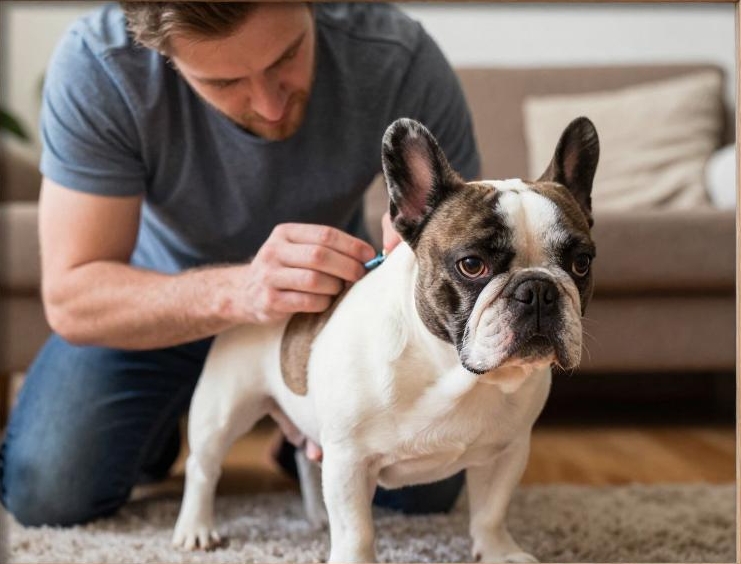
Hello to all French Bulldog owners. During years of clinical practice and consultations, one of the most frequent questions I receive is: “Doc, my Frenchie has red, itchy skin and keeps scratching. What should I do?” I fully understand how distressed and anxious owners feel watching their pups grow restless from skin irritation and even scratch themselves raw. With distinctive folded skin, brachycephalic facial structure and relatively sensitive immune systems, French Bulldogs are truly a breed prone to skin disorders. However, do not be overly worried. For many mild, newly developed cases of dermatitis, proper home care can effectively reduce discomfort and help your dog feel much better.
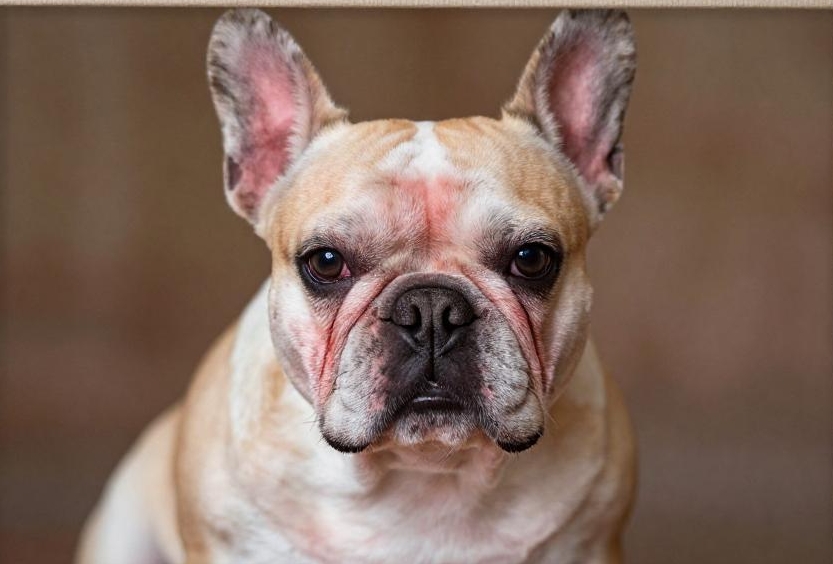
Why Are French Bulldog Skins So Delicate?
Before covering solutions, we need to identify root causes so we can target treatment accurately. Skin troubles in French Bulldogs usually arise from a combination of these key factors:
1. The Double-Edged Sword of Skin Folds: Those adorable folds are a signature trait of Frenchies, yet they also become ideal breeding grounds for bacteria, Malassezia (a type of yeast) and dirt. Warm, damp, airless conditions inside folds easily trigger fold dermatitis — one of the most prevalent health issues for the breed.
2. Naturally Sensitive Skin: Many French Bulldogs have allergic tendencies. They react strongly to environmental allergens (dust mites, pollen), food allergens (certain proteins, grains) or contact irritants (bedding materials, cleaning detergents), presenting with skin rashes and itching.
3. Imbalanced Sebum Secretion: French Bulldogs often have overactive sebaceous glands that produce excess skin oil. Greasy skin traps debris, clogs hair follicles and encourages microbial growth.
4. Fluctuating Immune Function: Stress, seasonal changes and temporary lowered immunity can trigger or worsen skin inflammation.
With these factors clear, the core goals of at-home care focus on cleansing, moisturizing, anti-itch support, infection prevention and skin barrier reinforcement.
Practical Experience: Five At-Home Care Protocols
The following methods have proven effective across countless cases throughout my career. Important prerequisite: these routines apply only to mild dermatitis — localized redness, light dandruff and minor itching, without widespread ulcers, pus discharge, severe hair loss or extreme discomfort. I once assisted a French Bulldog named Potato who repeatedly developed inflamed folds under his armpits and groin; multiple ointments brought limited results. After following this combined care plan, his condition improved dramatically within two weeks.
Protocol 1: Gentle, Thorough Cleansing & Complete Drying
This forms the foundation of all skin care, especially for folded areas.
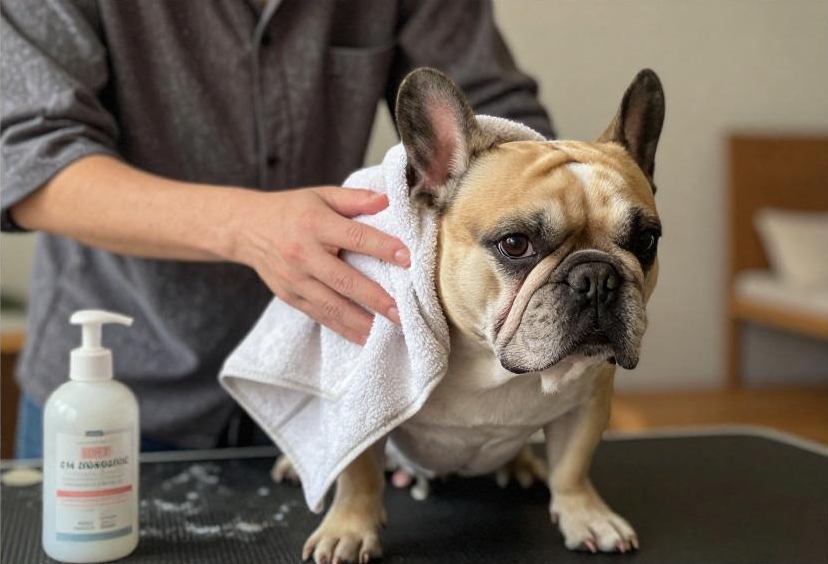
My Recommended Routine: I advise owners to prepare soft disposable baby wipes or medical gauze, plus pet-specific hypoallergenic tear-free ear cleaner or skin cleansing solution (regular plain water is insufficient). Ear cleaners often contain mild antibacterial ingredients such as chlorhexidine with a pH balanced for canine skin and minimal irritation.
Once or twice daily, fully saturate the wipe with cleansing liquid. Gently pull open all folds on the face, neck, armpits and base of the tail, then carefully wipe along fold lines to remove trapped oil and grime. You will be surprised by the pale yellow residue wiped away. Here is the critical step: use a dry wipe or soft cloth to pat and fully absorb all moisture inside folds until completely dry. Maintaining dryness is sometimes even more important than cleansing itself.
Protocol 2: Repair the Skin Barrier — Gentle Moisturizing & Itch Relief
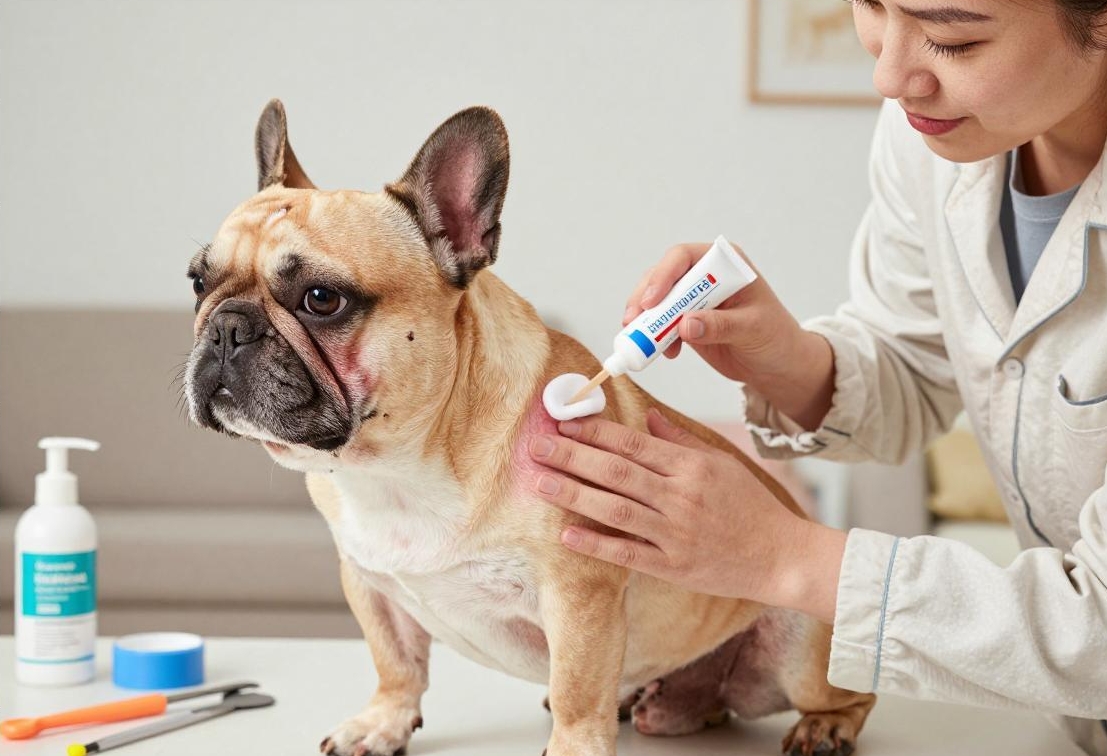
Skin requires restoration after cleansing. Use repairing products on dry, red, flaky areas.
My Recommended Routine: After cleaning and drying Potato’s inflamed skin, apply an extremely thin layer of veterinary skin repair ointment. I prefer naturally formulated products focused on moisturization and recovery, containing ingredients such as colloidal oatmeal, ceramides, panthenol (vitamin B5) or natural plant oils like sea buckthorn oil. These ingredients mimic the skin’s lipid barrier, soothe itching and support natural tissue healing. Remember to apply only a thin coat to allow the skin to breathe. Fragrance-free moisturizing balms without medication work well for purely dry skin. Repeat 1–2 times daily.
Protocol 3: Allergen Deep Clean for Surroundings & Contact Items
Numerous skin reactions stem from direct contact with irritants.
My Recommended Routine: I asked Potato’s owner to carry out these adjustments:
1. Swap all beds and blankets for pure cotton or anti-mite fabrics. Wash weekly in hot water above 55°C and fully air-dry or tumble dry on high heat. High temperatures effectively eliminate dust mites.
2. Stop using strongly scented household cleaners, floor detergents and fabric softeners; switch to pet-safe, low-fragrance alternatives.
3. Pause newly introduced dog food, treats or shampoo and observe whether skin symptoms ease.
4. Wipe paws and belly with damp cloths after outdoor walks to reduce pollen and dirt brought indoors.

Protocol 4: Dietary Adjustment — Nourish Skin From Within
The phrase “You are what you eat” applies equally to dogs. High-quality nutrition is fundamental to healthy skin.
My Recommended Routine: An elimination diet trial is ideal for identifying food allergies, but it requires strict adherence for 8–12 weeks and should ideally be supervised by a vet. For mild dermatitis, a more accessible approach is optimizing the existing diet. I recommend adding skin-supporting supplements alongside regular kibble:
- Omega-3 fatty acids: A powerful anti-inflammatory nutrient. Feed steamed cold-water fish (salmon, mackerel) 2–3 times weekly, or administer pet-grade fish oil. Always check EPA and DHA concentrations when selecting fish oil; these compounds are vital for reducing skin inflammation.
- Vitamin E: Antioxidant that protects skin cells. Moderate amounts of cooked egg yolks serve as a good source.
Note: Introduce all supplements gradually, and ensure they make up no more than 10% of total daily food intake.
Protocol 5: Strategic Supplementary Supplements to Support Long-Term Skin Health
For French Bulldogs with inherently weak skin barriers, consistent nutritional supplementation offers valuable long-term support.
My Recommended Routine: Beyond fish oil mentioned above, I often recommend specialized skin supplements containing zinc, biotin and B-complex vitamins. These nutrients participate in skin metabolism and keratin synthesis, improving overall skin resilience. Choose reputable brands and strictly follow dosage instructions.
Mistake Avoidance Guide — Do Not Make These Common Errors
Well-meaning actions often worsen skin issues. Avoid these critical pitfalls:
1. Misusing human topical creams: This is extremely dangerous! Steroids (such as dexamethasone) in human ointments often carry excessive potency for dogs. Long-term or improper use can trigger skin atrophy, lowered immunity and even Cushing’s syndrome. Antibiotic creams may also lead to antimicrobial resistance. Always use veterinary-formulated products.
2. Over-Frequent Bathing: Excessive washing strips the skin’s natural protective lipid layer, causing increased dryness and itching. For Frenchies with skin conditions, use medicated shampoo (formulated with miconazole, chlorhexidine or colloidal oatmeal) no more than 1–2 times weekly as directed on packaging. Always dry completely after bathing.
3. Neglecting Parasite Prevention: Sarcoptic mange, demodectic mites and other parasites are common causes of skin disease. Stick to regular external parasite prevention even if your dog rarely goes outdoors.
4. Using Folk Remedies or Irritating Substances: Wiping affected areas with salt water, vinegar or alcohol severely damages already compromised skin and amplifies inflammation and discomfort.
5. Treating Symptoms Without Addressing Root Causes: Only applying ointments to stop itching while ignoring environmental and dietary triggers guarantees recurring flare-ups.
Summary
You are not powerless against mild dermatitis in French Bulldogs. Most cases can be controlled and relieved effectively with this combined routine: gentle cleansing + thorough drying + skin barrier repair + environmental management + nutritional support. Caring for sensitive skin requires patience and attention, similar to looking after a child prone to skin irritation. Track your dog’s reactions and document care routines, and you can become their best at-home caregiver.
Important Reminder
Please bear in mind that at-home care only suits mild, early-stage cases. Immediately discontinue home treatment and visit a veterinarian if your French Bulldog shows any of the following signs:
1. No improvement, or worsening skin symptoms after 3–5 days of home care.
2. Widespread swelling, papules, pustules, ulcers or fluid discharge.
3. Severe constant itching disrupting rest; persistent chewing and rubbing causing heavy hair loss or self-inflicted wounds.
4. Accompanying systemic signs such as lethargy and reduced appetite.
Licensed veterinarians can perform skin scrapings, cytology tests and other examinations to accurately diagnose triggers (bacteria, fungi, parasites or allergies), then prescribe targeted medication including oral drugs, injections and medicated baths. This is the most responsible choice for your dog. Let us protect the skin health of these wrinkly little companions through scientific knowledge and timely veterinary intervention.