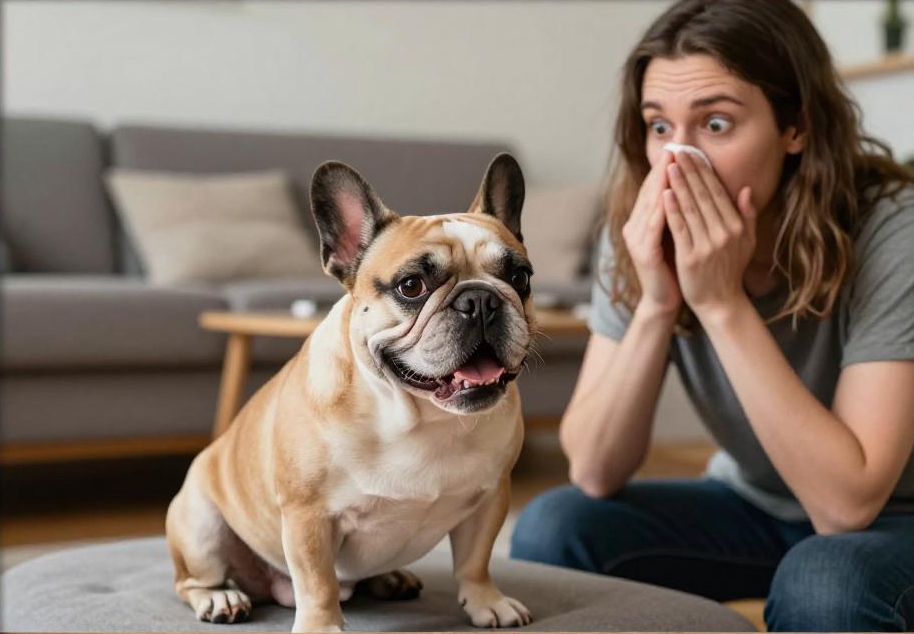
Hello fellow French bulldog owners. Over the past ten years, working as a veterinarian and dog trainer, I have seen countless French bulldogs rushed into emergency care in the middle of the night because they ate inappropriate food. Watching them curl up in abdominal pain and seeing their owners feel distressed and guilty always troubles me. Many problems stem from seemingly harmless leftover overnight dog food. French bulldogs are born with delicate digestive tracts. Combined with their signature brachycephalic muzzle, they eat hastily and swallow air easily. When food goes slightly bad, their gastrointestinal reactions tend to be far more severe than other dog breeds. Today we will talk about this easily‑overlooked yet critical daily detail — how to correctly handle leftover overnight food and protect your French bulldog’s “sensitive stomach”.
Why Is Overnight Leftover Food a Hidden Hazard for French Bulldogs?
You may think dog food sitting in a bowl overnight looks fine and smells normal, so it should be safe. That is the biggest misconception. Food spoilage is a gradual microbial‑growth process. Early‑stage decay is hard to detect with eyes or nose. For French bulldogs, risks mainly come from three sources:
1. Massive bacterial multiplication: Especially in summer or warm‑humid environments, dog food (particularly wet food or kibble mixed with cans / fresh food) exposed to open air for hours becomes a breeding ground for bacteria such as Salmonella and E. coli plus moulds. Toxins produced by these microorganisms can trigger acute gastroenteritis.
2. Oxidative rancidity of fats: Fats inside dog food oxidise upon air exposure, developing a rank odour. Rancid fats lose nutritional value and damage liver and intestinal cells in dogs. Long‑term consumption even raises disease risks.
3. Salivary‑enzyme contamination: Dog saliva mixes with food while eating. Salivary enzymes accelerate carbohydrate breakdown and introduce oral bacteria, making leftover food in the bowl spoil far faster than we expect.
I treated a two‑year‑old French bulldog named “Baozi”. Its owner would fill the bowl every night for free‑feeding. For several days, Baozi suffered loose stools, occasional vomiting and low energy. Parasites and viral causes were ruled out, and the root cause turned out to be mild chronic gastroenteritis. After adjusting feeding habits and completely discarding overnight leftovers, Baozi’s symptoms improved noticeably within one week. This is a very typical real‑world case.
Field‑Tested Experience: Three Core Solutions
Once you understand the risks, practical actionable methods matter most. Below are three effective strategies drawn from my clinical experience plus personal pet‑keeping practice for your reference.
Solution 1: Strictly Follow the “30‑Minute Rule”
This is the most fundamental and effective principle. No matter dry kibble, wet food or mixed meals, give your dog at most 30 minutes to eat once food is placed in the bowl. When time is up, remove the bowl regardless of leftovers. This eliminates overnight‑leftover risks, builds regular eating routines and helps curb gobbling behaviour in French bulldogs.
Practical implementation: I advise owners to use a simple kitchen timer. Set it for 30 minutes at mealtime and take the bowl away once it rings. At first, some picky French bulldogs may skip one or two meals, yet they quickly learn that food will not stay available indefinitely and will eat actively within the time window. For low‑appetite dogs, reduce single‑meal portions and increase feeding frequency (e.g. three meals daily), but still enforce the 30‑minute limit for every serving.
Solution 2: Refrigerated‑Portion Method for Unfinished Wet / Fresh Food
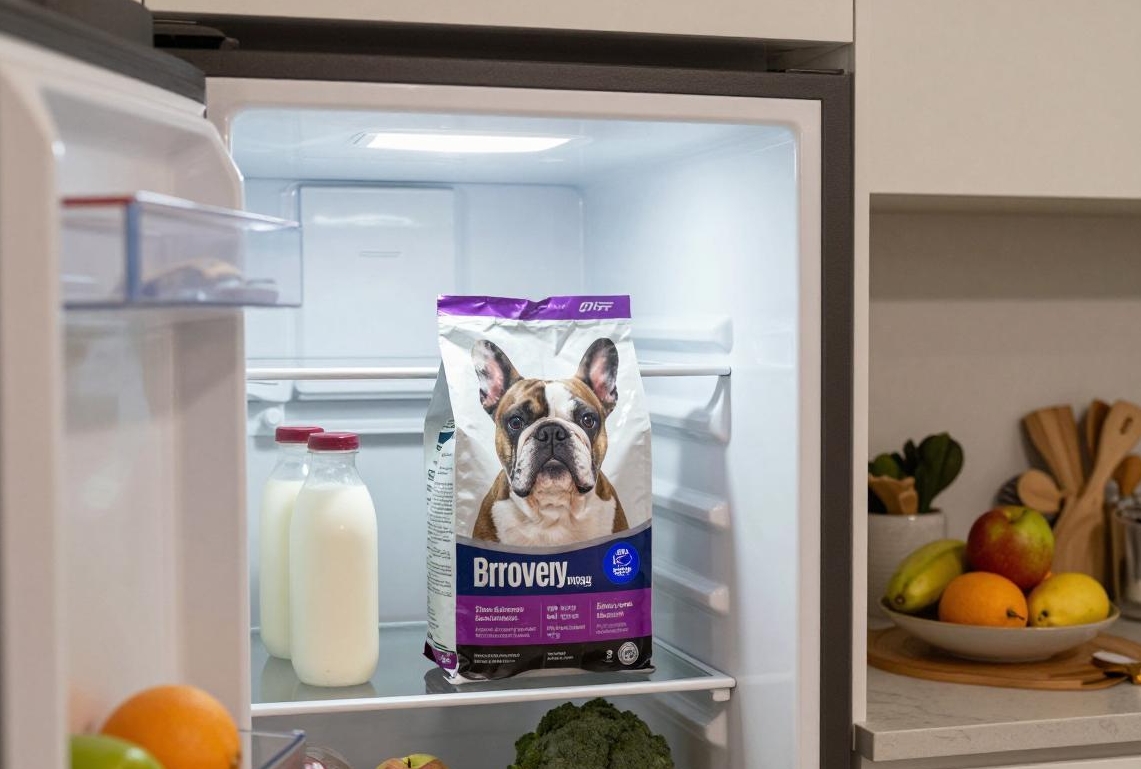
It is common to have leftover canned food, homemade fresh meals or kibble soaked in warm water / goat milk. Throwing leftovers away feels wasteful, yet leaving them out is dangerous. My rule: Refrigerate immediately and re‑heat thoroughly before next serving.
Practical implementation: Prepare small lidded glass food‑storage containers (glass is easy to clean and heat‑resistant). Within 30 minutes after a meal, transfer unfinished wet food from the bowl into a sealed container, place it in the refrigerator (below 4 °C), and consume within 24 hours. Before the next feeding, take out the required portion, heat thoroughly to lukewarm temperature using a microwave or water‑bath heating (test against the back of your hand; it should not burn skin), and stir well to avoid hot‑cold spots. Remember: food reheated from the fridge still follows the 30‑minute rule; uneaten portions cannot be re‑refrigerated a second time.
Solution 3: Hygiene Tip — Clean Residues From Food Bowls
Food bowls with leftover residues and saliva will contaminate fresh new servings. Especially for plastic or stainless‑steel bowls, crevices along rims and bottoms trap grime easily.
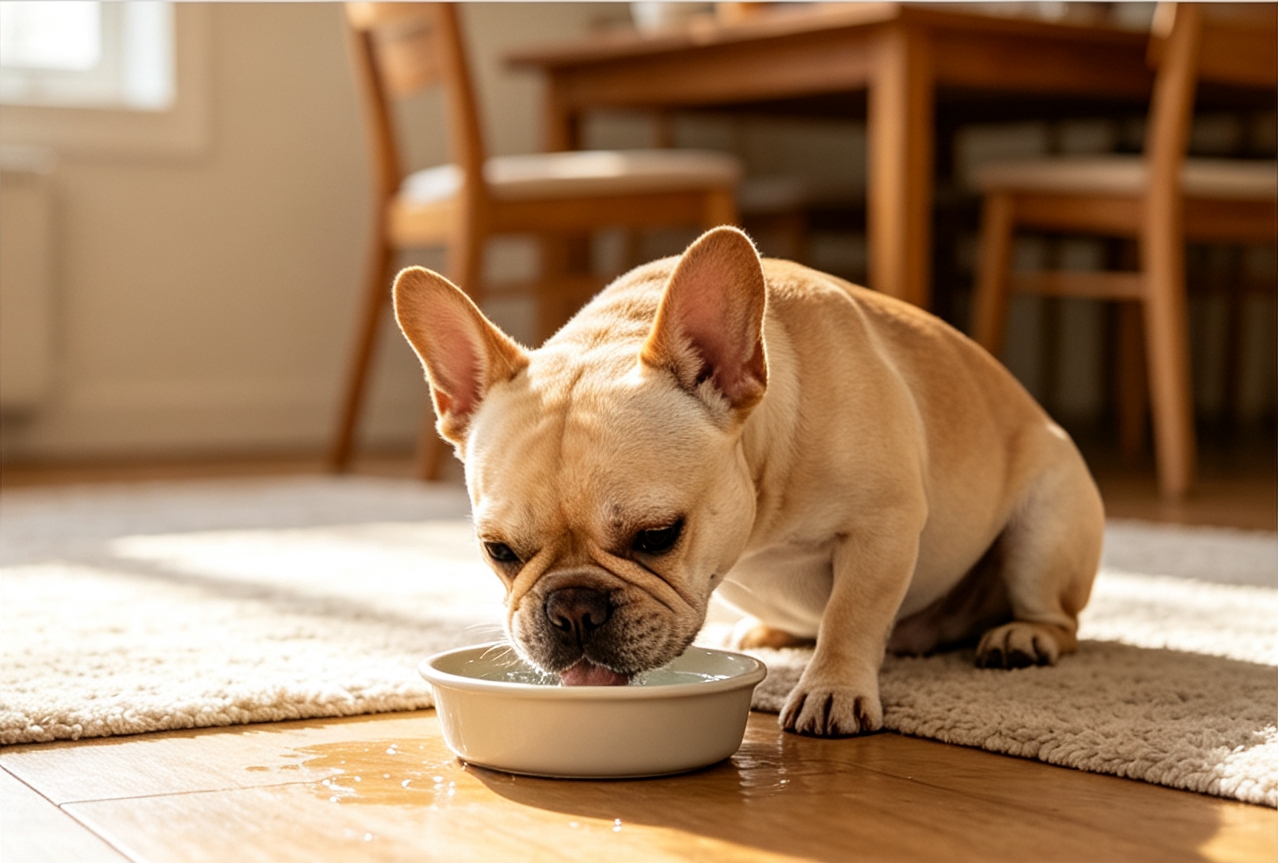
Practical implementation: I strongly recommend fully washing food and water bowls after every meal. Do not just rinse with plain water; scrub carefully with dish soap and hot water. Once per week, soak bowls with pet‑safe tableware disinfectant or scald them with boiling water. I use ceramic bowls at home because their dense smooth surface resists bacterial adhesion better than plastic. After washing, dry bowls completely with clean kitchen paper instead of air‑drying, to prevent bacteria growth in damp conditions.
Pitfall‑Avoidance Guide: Never Make These Common Mistakes
1. Myth: If it smells fine, it is safe to eat. Toxins produced by bacteria and mould are colourless and odourless. By the time you detect obvious foul odours, food is already heavily spoiled.
2. Myth: Refrigeration solves everything. Refrigeration slows spoilage but cannot stop it. Refrigerated wet food must be used within 24 hours and fully reheated for sterilisation before feeding.
3. Myth: Pour large volumes of dry kibble all at once for convenience. This is high‑risk behaviour. Dry kibble exposed to air for long periods undergoes fat oxidation, loses nutrients, absorbs moisture and softens, fostering highly‑toxic moulds such as aflatoxin.
4. Myth: Top‑up new food over old leftovers. Do not pour fresh kibble directly over small amounts of leftover food in the bowl. Clean the bowl thoroughly first before adding new food.
Summary
Caring for French bulldogs demands extra patience over small details. Managing their diet well, especially handling leftovers from every meal, forms the first and most important line of defence against gastrointestinal disorders. Remember: prevention is always easier and more cost‑effective than treatment. By establishing fixed feeding windows, properly storing unfinished food and keeping eating utensils perfectly clean, you build a solid health barrier for your French bulldog companion.
Important Reminder
This article shares daily prevention and home‑care guidance. If your French bulldog shows any of the following signs: persistent vomiting, diarrhoea (especially bloody or projectile‑style), lethargy, refusal to eat, abdominal pain (flinching or yelping when touched), stop feeding right away and visit a licensed animal hospital promptly. Severe gastroenteritis may lead to dehydration and electrolyte imbalance; delayed treatment can be life‑threatening. Professional veterinary diagnosis and treatment are your most reliable option in such cases.